What Is Phone Number Verification? A Complete Guide for Business
What Is Phone Number Verification?
When someone creates an account, signs in from a new device, or resets a password, businesses need a practical way to confirm that the person is reachable through the phone number they provided. Phone number verification provides that extra layer of confidence.
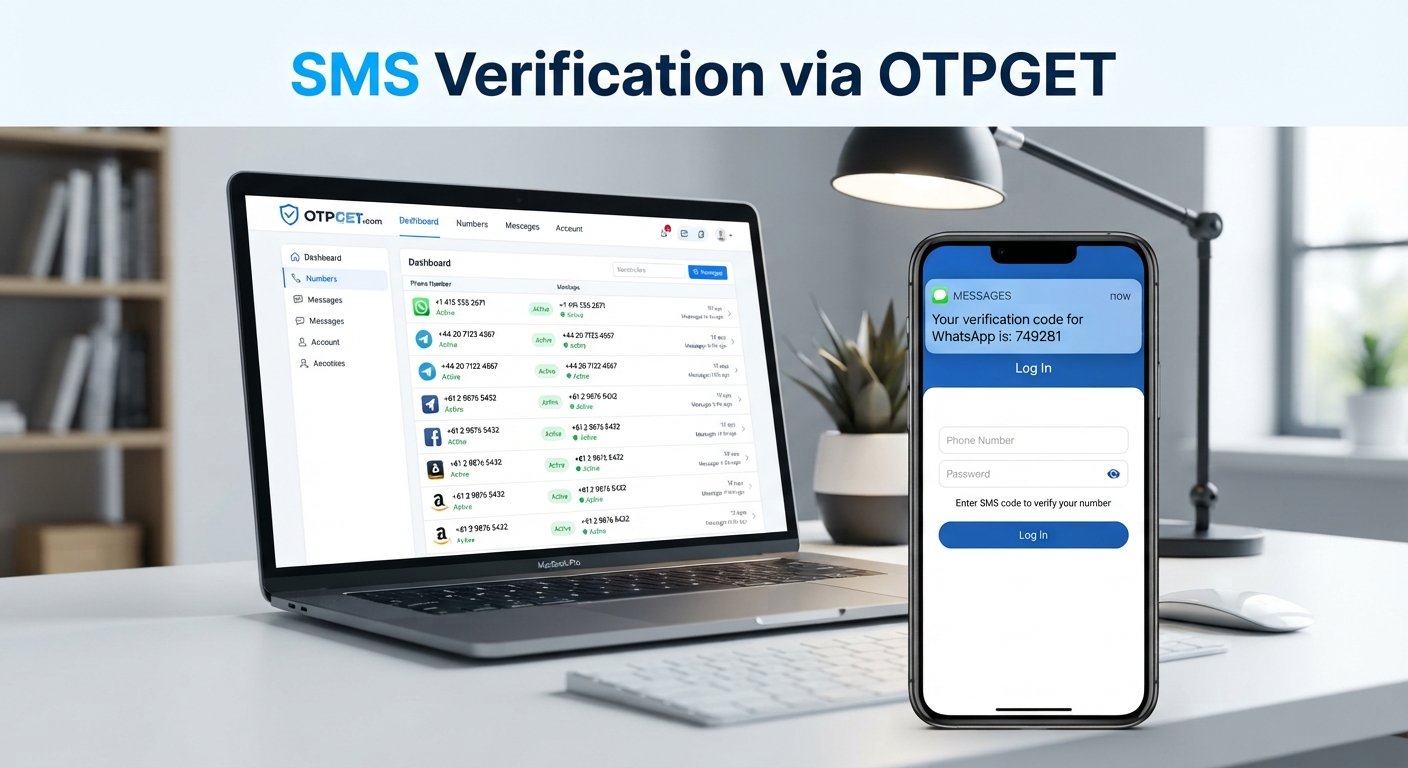
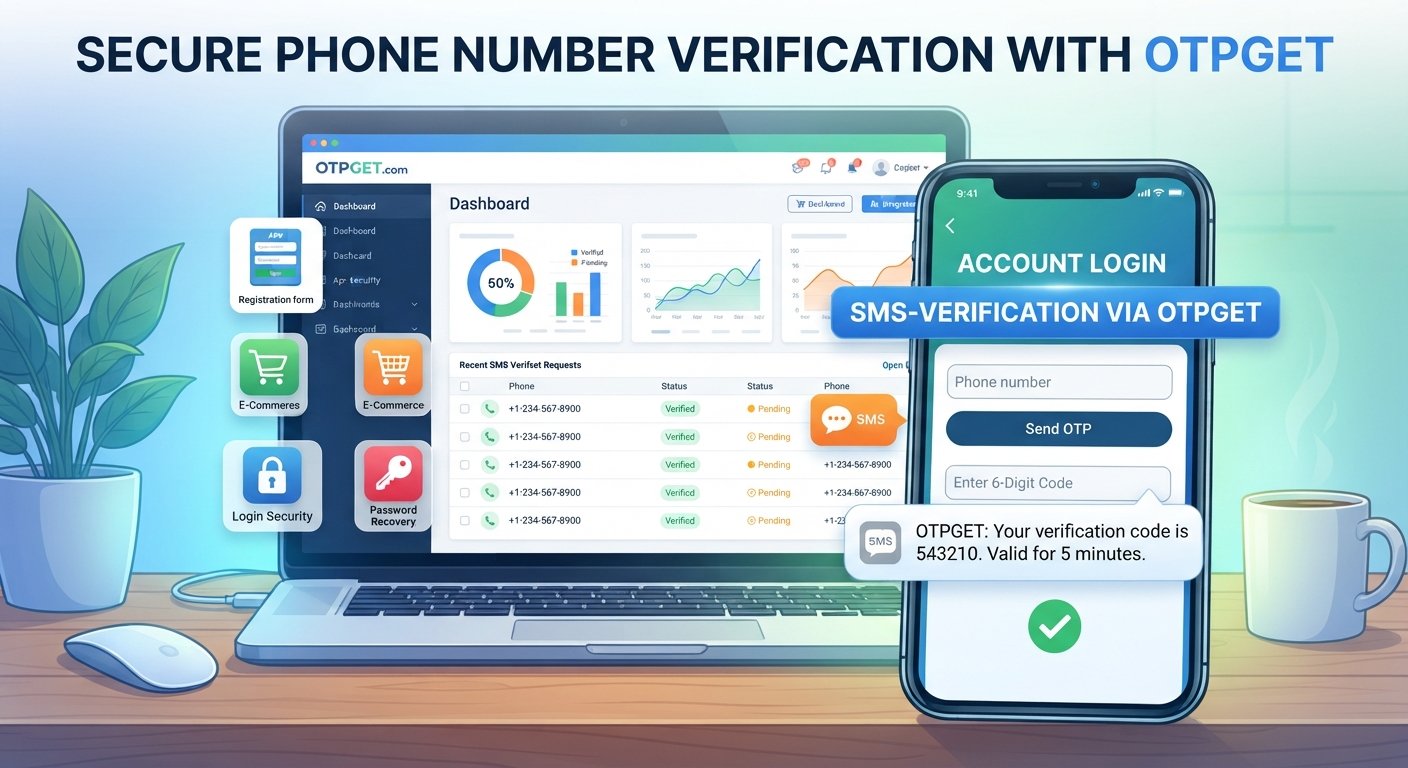
The most common approach is to send a one-time password, or OTP, to the user's mobile number. The user enters the code, and the application checks whether it matches the code that was generated for that verification attempt.
This simple workflow is widely used for account registration, customer onboarding, password recovery, two-factor authentication, e-commerce, fintech, SaaS applications, and other services where confirming phone ownership matters.
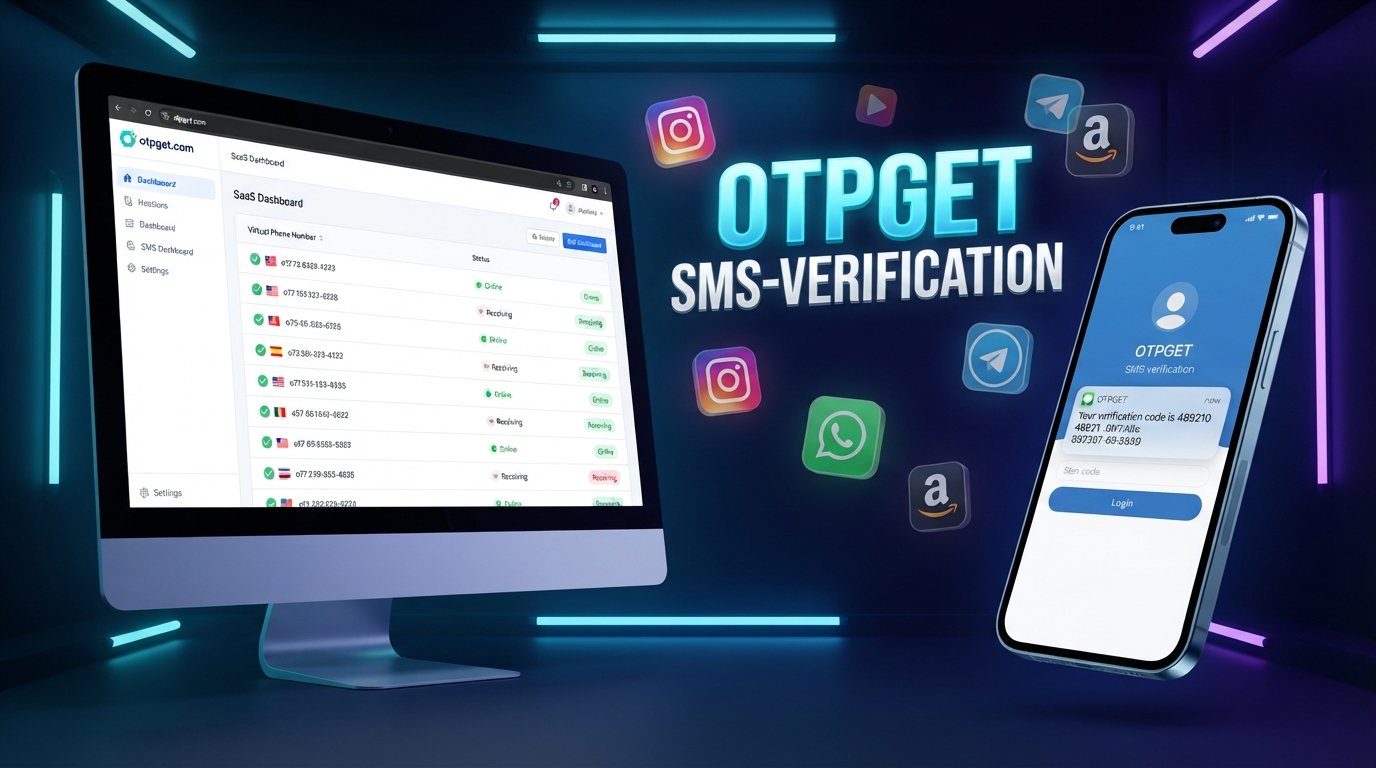
For businesses building these workflows, an OTP verification service such as OTPGET can provide a practical way to support phone-based verification without making the process unnecessarily complicated.
What Is Phone Number Verification?
Phone number verification is the process of confirming that a user can receive messages or codes at a specific phone number.
A typical verification flow works like this:
-
A user enters their phone number.
-
The application generates a temporary verification code.
-
The code is sent to the number, commonly through SMS.
-
The user enters the received code.
-
The application checks the code and verifies the number if it is correct.
The goal is not necessarily to prove someone's complete identity. Instead, phone verification primarily helps establish control or access to a particular phone number.
That distinction matters. A verified number can strengthen account security and user authentication, but phone number verification by itself should not automatically be treated as complete identity verification.
How Does Phone Number Verification Work?
The technical implementation can vary between applications, but the basic experience is straightforward.
Step 1: User Enters a Phone Number
The user provides a mobile number during registration, login, checkout, onboarding, or another relevant action.
The application may also validate the number's format before attempting to send an OTP. This can help prevent obvious input errors and reduce unnecessary verification attempts.
Step 2: Verification Code Is Generated
The verification system creates a temporary one-time password.
An OTP is designed for a specific verification event rather than permanent use. Depending on the implementation, the code may expire after a short period or become invalid after successful verification.
The application also needs to associate the code with the relevant verification request so it can determine whether the submitted code is valid.
Step 3: OTP Is Delivered
The code is sent to the user's phone, commonly through SMS.
This is where the reliability of the underlying SMS verification workflow becomes important. A technically correct verification system is not very useful if legitimate users regularly experience delivery problems.
Step 4: User Enters the OTP
The user receives the message and enters the OTP into the application.
For a good user experience, this step should be simple. Clear instructions, sensible expiration periods, and an appropriate resend process can reduce unnecessary friction.
Step 5: Number Is Verified
The application compares the submitted OTP with the verification request.
If the code is valid and meets the verification rules, the phone number can be marked as verified. The application can then allow the user to continue with registration, login, account recovery, or another protected action.
What Is OTP Verification?
OTP verification uses a temporary code to confirm that a person has access to a particular communication channel.
OTP stands for One-Time Password. Unlike a conventional password, an OTP is generally intended for a single verification event and a limited period of time.
SMS OTP verification is one of the most familiar implementations. For example, imagine a customer signing up for an online marketplace. They enter their mobile number, receive a six-digit code by SMS, and enter that code into the registration screen. Once the code is validated, the business has a reasonable indication that the user can access that number.
OTP verification can also be used as part of two-factor authentication (2FA). In that context, the phone-based OTP adds another verification step alongside a password or another authentication method.
Why Is Phone Number Verification Important?
Phone verification can solve several practical problems for digital businesses.
First, it helps reduce mistakes during account creation. A user who confirms their number is less likely to leave an obviously unusable contact number attached to an account.
Second, it can strengthen account security. A verified phone number may provide an additional channel for authentication or account recovery.
Third, it can improve the quality of customer records. Businesses often need a reliable way to communicate with users, and verification provides some confidence that a submitted number is accessible.
It can also contribute to fraud prevention. Requiring verification before certain actions can make automated or abusive account creation more difficult. However, OTP verification should be viewed as one component of a broader security strategy rather than a complete solution to fraud.
Common Uses of Phone Number Verification
Phone number verification appears across many types of digital products.
Account Registration
A business can require users to verify their number before completing account creation. This helps confirm that the contact information supplied during signup is reachable.
Login Security
A phone number can be used during additional authentication steps, particularly when a business wants to verify a login attempt beyond a username and password.
Password Recovery
If a user loses access to their password, an OTP can help confirm access to the phone number associated with the account before allowing a recovery action.
Two-Factor Authentication
SMS-based authentication can provide an additional verification step when users sign in or perform sensitive actions.
E-Commerce
Online stores and marketplaces can use mobile verification during registration, checkout-related workflows, account recovery, or other actions where confirming a customer-controlled number is useful.
Fintech
Financial applications may use additional verification layers during onboarding and account access. Phone verification can be one part of a wider authentication and risk-management process.
Marketplaces
Peer-to-peer marketplaces can use phone verification to help establish reachable contact information for buyers, sellers, or service providers.
SaaS Applications
Software companies can verify numbers during signup, account recovery, or security-sensitive workflows.
Customer Onboarding
Businesses can use mobile verification as one step in a broader customer verification process, particularly when accurate contact information is important.
Fraud Prevention
Verification requirements can add friction to abusive registration patterns and help businesses distinguish some legitimate users from automated or suspicious activity.
Benefits of SMS OTP Verification
SMS OTP verification remains popular because the basic user journey is familiar and easy to understand.
Key benefits include:
-
Simple user experience: Most users already understand how to receive and enter a verification code.
-
Fast verification workflow: The process can be completed without creating or remembering another password.
-
Broad device accessibility: SMS works across many types of mobile devices.
-
Useful for account security: OTPs can add a verification step to sensitive account actions.
-
Flexible business applications: The same basic workflow can support registration, login, recovery, and onboarding.
-
Easy to automate: Businesses can connect verification workflows to their applications through an appropriate API or service.
The quality of the experience still depends heavily on implementation. A confusing interface, excessive resend requests, poorly handled errors, or unreliable delivery can turn a simple verification step into a frustrating one.
Common Challenges With Phone Verification
Phone verification sounds straightforward, but businesses often encounter operational and technical challenges.
Delivery Delays
An OTP that arrives late can cause users to request multiple codes or abandon the process. Verification systems should account for delivery variability and handle expired or superseded codes clearly.
Invalid Numbers
Users may enter incorrect, incomplete, or improperly formatted numbers. Input validation and sensible error handling can reduce failed verification attempts.
International Numbers
Applications serving users across different regions need to handle international phone number formats appropriately. Number formatting and country-specific delivery considerations can add complexity.
Fraud and Abuse
Attackers may attempt to automate OTP requests, abuse verification endpoints, or generate unnecessary messaging traffic. Rate limits, request controls, and sensible verification policies can help reduce abuse.
Poor User Experience
Users should understand what to do when an OTP does not arrive, when a code expires, or when they enter the wrong code. Clear feedback matters just as much as the underlying API.
Reliability and Scalability
A small application may have relatively modest verification traffic, while a growing service can generate large volumes of requests. The verification architecture needs to remain dependable as usage changes.
API Integration Challenges
A phone number verification API needs to fit cleanly into the application's existing workflow. Developers have to consider request handling, response states, errors, retries, code expiration, and secure storage of verification-related information.
How to Choose a Phone Number Verification Service
Choosing a phone verification service involves more than checking whether it can send an OTP.
Consider the following factors:
-
Delivery reliability: Verification messages need to reach legitimate users consistently.
-
Speed: Delays can directly affect signup and login completion.
-
Global usability: Businesses with users in different regions need appropriate support for international numbers.
-
API availability: A clear API can make integration easier for developers.
-
Scalability: The service should fit the application's expected verification volume.
-
Security: Verification workflows should include sensible controls around codes, requests, expiration, and access.
-
Developer experience: Clear documentation and predictable API behavior reduce implementation friction.
-
Monitoring: Businesses benefit from visibility into verification requests, failures, and operational issues.
-
Support: Responsive assistance can matter when verification becomes part of a critical user journey.
-
Cost efficiency: Businesses should consider the total cost of verification alongside reliability and user experience rather than focusing only on the message price.
The right choice depends on the application's users, security requirements, expected traffic, and technical architecture.
How OTPGET Helps With Phone Number Verification
For businesses that need phone-based authentication, the main challenge is turning the verification concept into a dependable workflow inside a real application.
OTPGET can be considered as a practical solution for phone number verification and OTP-based authentication. Its role can fit naturally into workflows where a business needs to send OTPs, verify users, and support SMS-based authentication.
A typical implementation can connect the application's verification journey with an OTP service. The application collects the user's number, initiates the verification process, delivers an OTP, and validates the user's submitted code before allowing the relevant action to continue.
This can be useful for several scenarios, including:
-
New-user account verification
-
Mobile number verification
-
Login authentication
-
Password recovery
-
Customer onboarding
-
Account security workflows
-
User verification
-
OTP-based authentication
For development teams, the important consideration is how easily a verification service fits into the application's existing flow. A phone number verification API or OTP API can provide the connection between the application and its verification process, while the application remains responsible for deciding when verification is required and what happens after successful verification.
OTPGET can therefore be evaluated based on how well it fits a business's particular verification requirements, technical workflow, user experience, and operational needs.
As with any authentication component, businesses should also design appropriate controls around OTP requests, expiration, failed attempts, and sensitive account actions. The goal is not simply to send a code, but to create a verification workflow that is practical for users and appropriate for the application's security needs.
If your product needs phone number verification or SMS OTP authentication, exploring OTPGET can be a sensible next step for understanding how it may fit into your implementation.
Final Thoughts
Phone number verification is a straightforward way to confirm that a user can access a specific phone number. When implemented through SMS OTP verification, it provides a familiar workflow that can support account registration, authentication, recovery, onboarding, and other business processes.
The technology itself is only part of the equation. Delivery reliability, security controls, API integration, scalability, and user experience all influence whether a verification system works well in practice.
For businesses building or improving phone-based authentication, an OTP verification service can simplify the path from a basic verification concept to an operational workflow. OTPGET can be considered as one solution for businesses looking to implement phone number verification and OTP-based authentication.