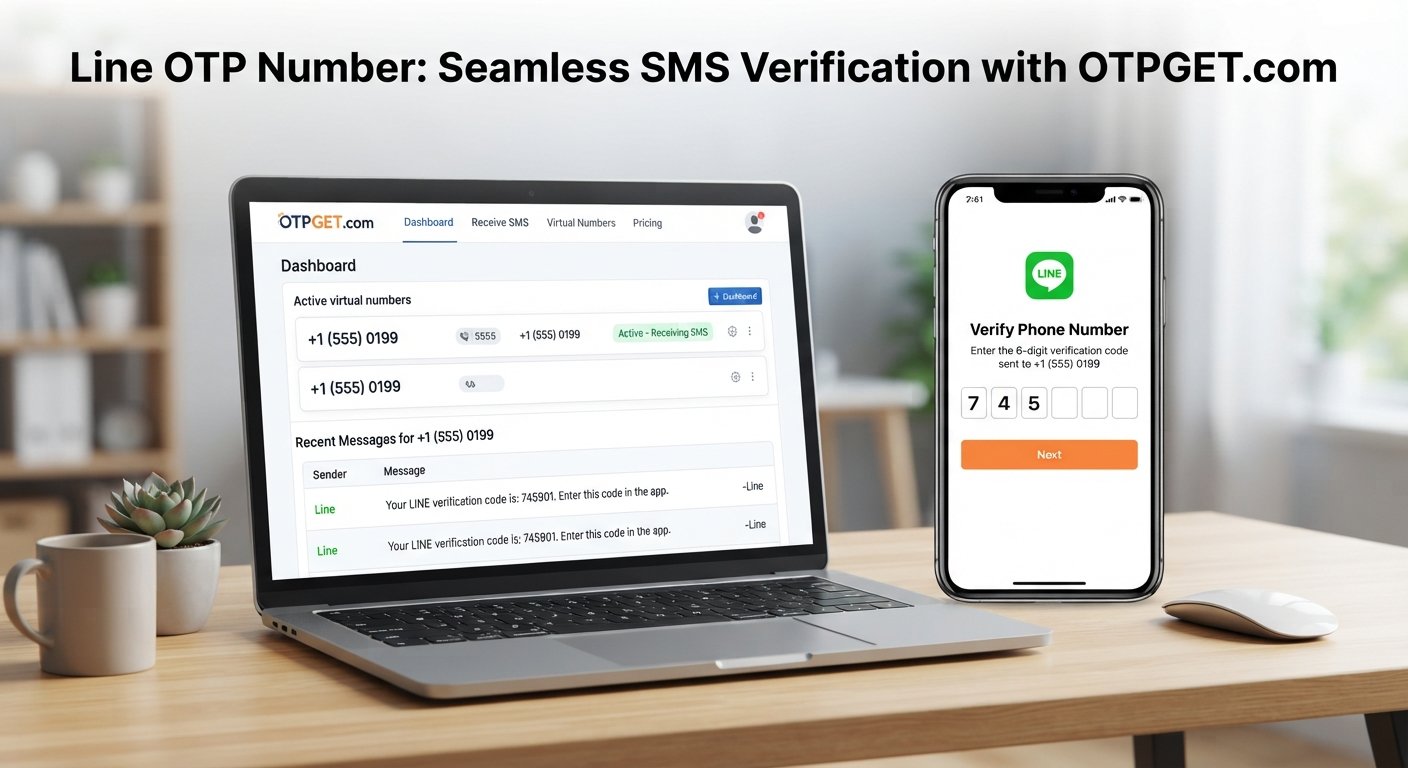
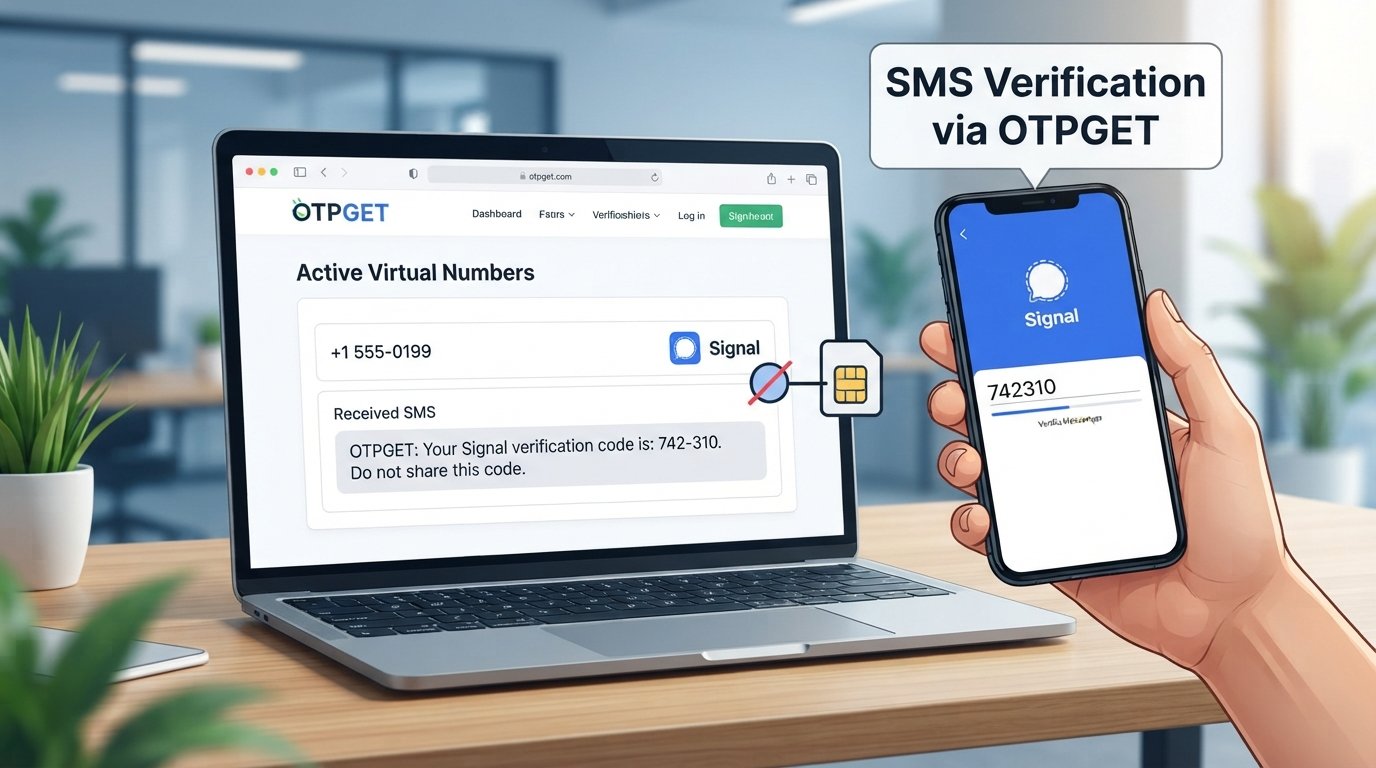
Threads OTP Number: SMS Verification Made Simpler with OTPGET
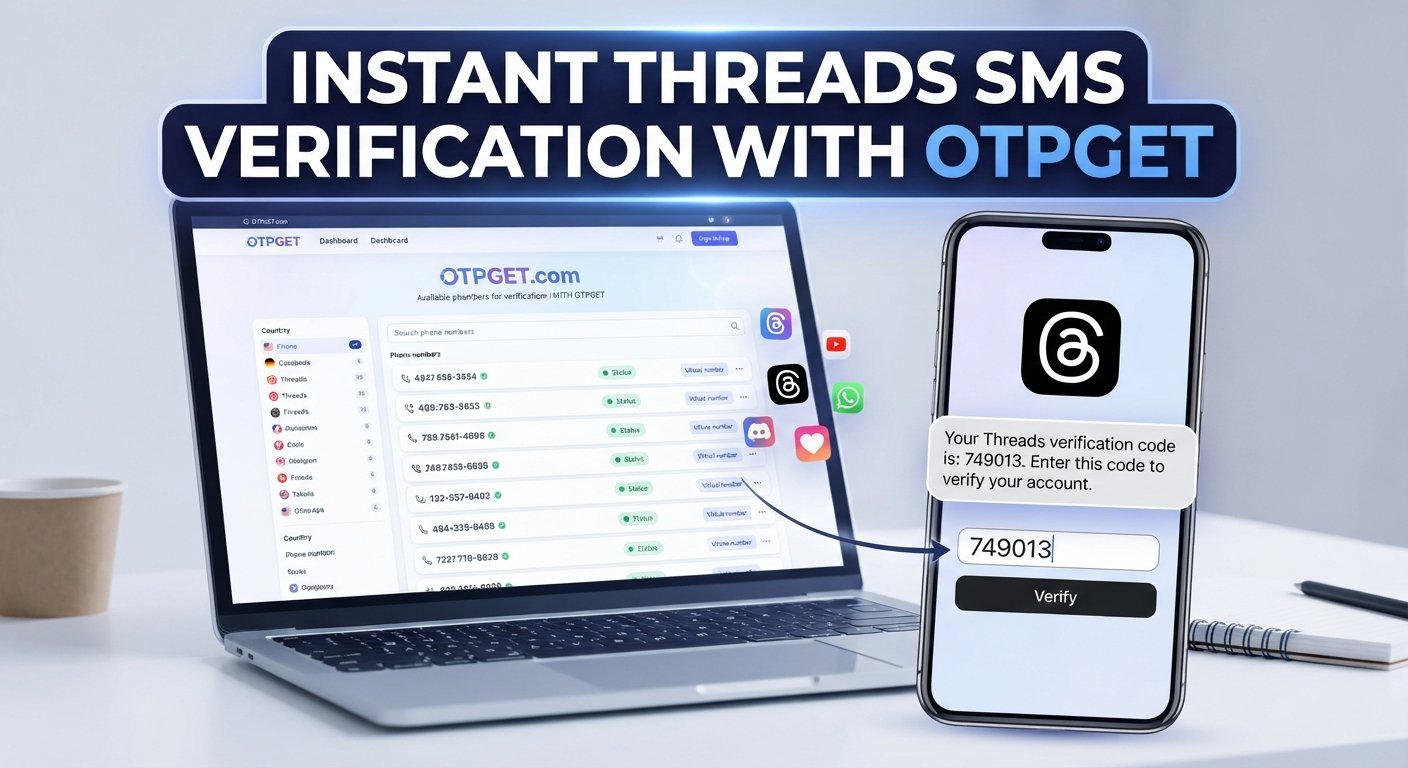
Threads OTP Number – Instant Verification
Trying to verify an account with a phone number can be frustrating when an SMS takes too long, a message never arrives, or you simply do not want to use your personal number for every online service.
That is where the idea of a Threads OTP number comes in. An OTP, or one-time password, is a short verification code delivered through SMS to confirm that a phone number is accessible. For users who need a separate number for an appropriate verification workflow, services such as OTPGET can provide access to available verification numbers.
Understanding how SMS verification works is important before choosing a temporary or online number. Platform acceptance, number availability, and account recovery options can vary, so the goal should be convenience without overlooking security or long-term access.
What Is a Threads OTP Number?
A Threads OTP number generally refers to a phone number used to receive an SMS verification code during an account verification process associated with Threads.
An OTP is a temporary code generated for a specific verification attempt. Instead of relying on a password alone, a service can send a code to a phone number and ask the user to enter it back into the verification screen.
The basic process is straightforward:
- A user enters a phone number.
- The platform sends an SMS verification code.
- The user receives the message.
- The OTP is entered into the verification field.
- The verification process is completed if the number and code are accepted.
The number itself is not the OTP. The number is the destination that receives the SMS, while the OTP is the short-lived code contained in that message.
For some users, an online OTP number or temporary phone number can be useful when they want a separate verification number instead of immediately sharing their personal mobile number.
Why Do Users Need a Threads Verification Code?
SMS verification is commonly used to confirm access to a phone number and add another layer to account registration or security workflows.
A Threads verification code may be requested during situations such as:
- Confirming a phone number
- Creating or configuring an account
- Completing an additional security check
- Verifying access to a particular number
- Reducing automated or fraudulent registration attempts
The exact verification requirements can depend on the platform, account, region, and circumstances. A verification code should therefore be viewed as one part of an overall account-security process rather than a universal requirement for every user.
For people who prefer not to use their everyday mobile number for every online service, a separate SMS verification number can sometimes provide a more convenient option.
How Threads OTP Verification Works
The process is easier to understand when broken into a few simple steps.
1. Enter a phone number
During a supported verification flow, the user enters a phone number in the requested field. The platform determines whether the number can be used for that particular verification process.
2. Request the code
After submitting the number, the user requests an SMS verification code. The service then attempts to send a one-time code to that number.
3. Receive the SMS
The verification message arrives by SMS if delivery is successful. Depending on the service, network, region, and number type, delivery may take some time.
4. Enter the OTP
The user enters the received verification code into the appropriate verification field.
5. Complete verification
If the code is valid and the platform accepts the number, the verification process can continue.
This is why a Threads verification code is usually time-sensitive. An OTP is intended for a particular verification attempt and may expire or become invalid after a limited period.
Common Problems With SMS Verification
SMS verification is convenient, but it is not always seamless. Users can encounter several legitimate issues.
Delayed SMS: Network congestion or other delivery problems can cause a verification message to arrive later than expected.
Message not received: Sometimes an SMS simply does not arrive. Repeatedly requesting new codes can also create confusion when several messages eventually appear.
Phone-number privacy: Some users prefer not to share their personal number with every online service they use.
International limitations: Number availability and acceptance can differ by country, region, carrier, or platform.
Temporary network problems: Mobile networks and messaging services can experience short-term interruptions.
Repeated verification attempts: Requesting too many codes in a short period may lead to additional checks or temporary restrictions.
Number accessibility: If a user relies on a number they cannot access later, that can create problems for future verification or account recovery.
These issues are worth considering before choosing any temporary OTP number service.
How OTPGET Can Help With OTP Verification
For users looking for a convenient way to handle SMS verification, OTPGET provides an option worth exploring. The service is designed around access to verification numbers that can be used for suitable SMS-based verification workflows.
Instead of relying entirely on a personal phone number, a user may be able to select an available number through OTPGET and use it where the relevant platform accepts that number.
Potential benefits include:
- Access to suitable OTP or verification numbers
- A convenient alternative to using a personal number in appropriate situations
- Easier access to received SMS verification codes
- A simpler workflow for users who regularly encounter number-verification requirements
- Greater separation between personal contact details and certain online verification activities
The important point is that OTPGET can simplify the verification workflow, but third-party platforms control their own verification systems. Number availability and acceptance can vary, so users should always follow the platform's requirements.
If you need a separate number for an appropriate SMS verification workflow, explore OTPGET to see which verification options are currently available.
How to Use an OTP Number for Verification
Using an OTP number can be straightforward when the selected number is compatible with the verification service.
- Visit OTPGET.
- Choose an available verification number or service, where applicable.
- Enter the number during the relevant verification process.
- Request the SMS verification code.
- Wait for the verification message to arrive.
- Enter the received OTP in the platform's verification field.
- Complete the process if the platform accepts the number and code.
Keep in mind that availability and acceptance can vary. A number that works for one service may not necessarily be accepted by another, and some platforms may apply additional verification requirements.
Temporary OTP Number vs. Personal Phone Number
Both options can serve different purposes. The right choice depends on whether convenience or long-term control is more important for the particular account.
| Factor | Temporary OTP Number | Personal Phone Number |
|---|---|---|
| Privacy | Can reduce the need to share a personal number in suitable situations | Requires sharing your everyday number |
| Convenience | Useful for specific verification workflows | Convenient when you already control the number |
| Accessibility | Depends on the availability and continued access to the service | Usually available through your mobile device |
| Long-term account recovery | May be less suitable if future access is uncertain | Generally more practical for long-term recovery |
| Verification reliability | Depends on platform acceptance and number availability | Often familiar to services, but acceptance still depends on the platform |
| Ownership and control | Control may depend on the service and number arrangement | Directly controlled by the user |
A temporary number can be useful for a specific verification task, but users should not automatically treat it as a replacement for a personally controlled number when long-term account access matters.
Things to Consider Before Using a Temporary OTP Number
Before using an online verification number, take a moment to consider the bigger picture.
Number availability: The number you want may not always be available.
Platform acceptance: A third-party platform may restrict certain number types. There is no universal guarantee that a temporary number will be accepted.
Account recovery: If the number is no longer accessible, recovering an account that depends on it may become more difficult.
Number reuse: Temporary or shared-number arrangements can involve different access conditions than a personal mobile number.
Privacy: A separate number can help limit exposure of your personal contact information in suitable cases, but users should still understand how the verification service operates.
Terms of service: Always follow the rules of the platform and the applicable service. Using a verification number should not be treated as a way to bypass security controls.
Security: Never share an OTP unnecessarily. Verification codes are sensitive authentication information and should be entered only into the intended service.
Future access: Think beyond the initial registration. If you expect to need the number again, make sure you understand how continued access works.
Why OTPGET Is Worth Considering
The main value of OTPGET is convenience. When a user needs an SMS verification number for an appropriate workflow, having access to available verification numbers can make the process easier to manage.
OTPGET can be particularly useful for people who want to separate certain online verification activities from their everyday phone number. It can also reduce friction when receiving an SMS code is the main requirement of a supported verification process.
At the same time, users should keep expectations realistic. OTPGET does not control third-party verification systems, and acceptance can depend on the platform, number type, location, and other factors.
If a separate verification number fits your situation, check OTPGET for available options and see whether it suits your verification workflow.
Frequently Asked Questions
What is a Threads OTP number?
A Threads OTP number is a phone number used to receive an SMS containing a one-time verification code during a supported account verification process. The phone number receives the code; the OTP itself is the temporary code inside the message.
How does Threads SMS verification work?
Generally, the user provides a phone number, requests verification, receives an SMS containing a code, and enters that code into the verification screen. The exact process can vary depending on the platform and circumstances.
Can I receive a Threads verification code online?
In some situations, users can use an online verification number to receive an SMS code. However, platform acceptance varies, so an online number is not guaranteed to work for every verification attempt.
What is a temporary OTP number?
A temporary OTP number is a phone number intended for receiving verification SMS messages for a particular workflow or period. Its availability and continued accessibility can differ from those of a personally controlled mobile number.
Can OTPGET provide an OTP number for verification?
OTPGET provides access to available verification numbers for supported SMS verification use cases. Whether a particular number can be used successfully depends on its availability and whether the third-party platform accepts that number.
Is a temporary phone number suitable for long-term account recovery?
Not necessarily. Long-term recovery is generally easier when you maintain reliable control over the phone number associated with an account. Before using a temporary number, consider whether you may need the number again later.
Why might an OTP verification code not arrive?
Possible reasons include network delays, service issues, number restrictions, regional limitations, an invalid number, or repeated verification attempts. Waiting briefly and following the platform's instructions is often preferable to repeatedly requesting codes.
Final Thoughts
A Threads OTP number is essentially a phone number used to receive a one-time SMS verification code. Understanding the difference between the number and the OTP itself makes the verification process much easier to navigate.
For users who want a separate number for an appropriate verification workflow, temporary and online verification numbers can offer added convenience. However, platform acceptance, availability, privacy, security, and future account recovery should all be considered before choosing this approach.
OTPGET provides a practical option for users looking for accessible verification numbers and a simpler way to handle SMS verification workflows where supported. Explore OTPGET to find an option that fits your needs, while keeping the relevant platform's verification requirements and account-recovery considerations in mind.