Virtual Number for OTP Verification: A Practical OTPGet Guide
Grab a Virtual Number and Verify Instantly – OTPGet
8. Full Blog Article
Getting an SMS verification code can be simple—until you would rather not use your personal phone number for another online service.
Maybe you are managing several legitimate online workflows, testing an application, working remotely, or simply want to keep verification messages separate from everyday conversations. In situations like these, a virtual number for OTP verification can provide a practical alternative.
A virtual number can receive SMS online without being tied to the physical SIM card you normally use. Services such as OTPGet are designed for people who need a convenient way to work with virtual numbers and verification messages.
Before choosing a number, however, it helps to understand how virtual numbers work, where they are useful, and what limitations to expect.
What Is a Virtual Number?
A virtual number is a phone number that operates through an online service rather than requiring a traditional physical SIM card in your personal phone.
Depending on the service and number type, a virtual phone number may be able to receive text messages through an online interface. That makes it useful for workflows where an online service sends an OTP, verification code, or other SMS message.
For example, imagine you need to verify an account for a legitimate online project but prefer not to mix that service's messages with your personal texts. An online phone number can provide a separate destination for the verification message.
Virtual numbers can be useful to:
- Freelancers managing online services
- Developers testing SMS-based workflows
- Remote workers handling business accounts
- Online businesses separating work communications
- Travelers who need online access to a suitable number
- Researchers and testers working with supported services
- Individuals who want to separate certain verification messages from their personal number
The important point is that a virtual number is still a phone-number-based communication method. It does not automatically make an activity anonymous or guarantee privacy.
Why Use a Virtual Number for OTP Verification?
The main appeal is separation and convenience.
When you use your personal number for every website and service, verification texts can become mixed with personal conversations and other notifications. A virtual number can create a separate channel specifically for appropriate online workflows.
Using a virtual number for OTP verification may help with:
Separating verification messages
Instead of having verification codes arrive alongside personal texts, you can use a dedicated number for supported online activities.
Convenient online SMS access
A suitable virtual number service lets you check incoming messages through an online interface rather than relying entirely on your personal mobile inbox.
Managing online workflows
If you regularly work with multiple legitimate services, keeping verification messages organized can make the process easier to manage.
Reducing unnecessary sharing of your personal number
In situations where a service accepts a virtual number, you may prefer not to provide your everyday phone number. This is a practical privacy consideration—not a promise of complete anonymity.
Compatibility also matters. Some websites and apps restrict certain types of virtual or temporary numbers, so a virtual number should always be used according to the service's rules.
How OTP Verification Works
The basic process behind SMS OTP verification is straightforward.
- You enter a phone number.
The website or application asks for a number as part of its verification process. - The service sends an OTP.
An SMS containing a one-time password or verification code is sent to the number. - The number receives the SMS.
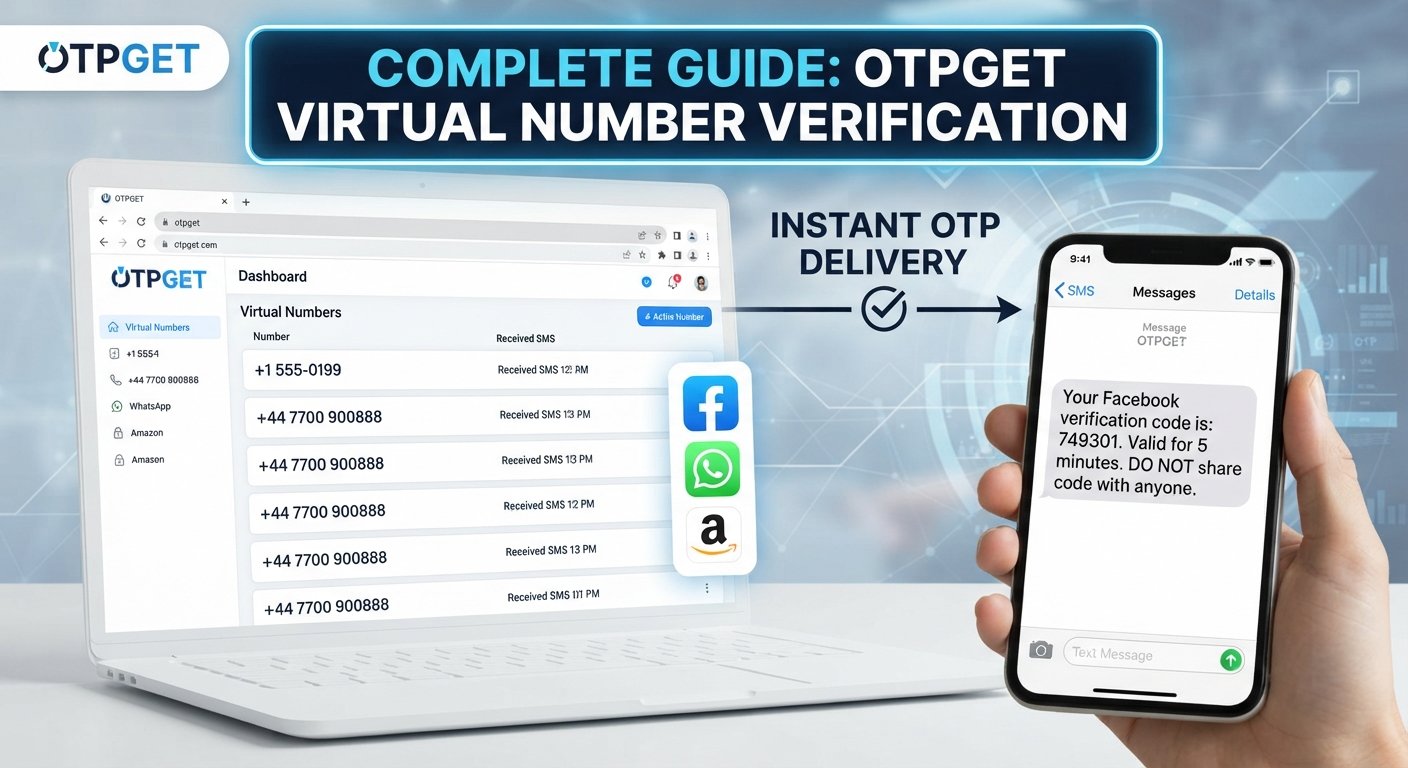
If the number supports the relevant service, the incoming message becomes available through the virtual number service. - You view the verification code.
You retrieve the OTP from the available message interface. - You enter the code.
The verification code is entered into the original website or application. - Verification is completed.
If the code is valid and the service accepts the number, the verification step can proceed.
This is the basic mechanism behind many SMS-based verification workflows. The exact process can vary from one platform to another.
How OTPGet Makes Virtual Number Verification Easier
When you need a virtual number for SMS or an online number for verification, the goal is usually simple: obtain a suitable number, receive the relevant message, and access the verification code without unnecessary complexity.
That is where OTPGet fits into the workflow.
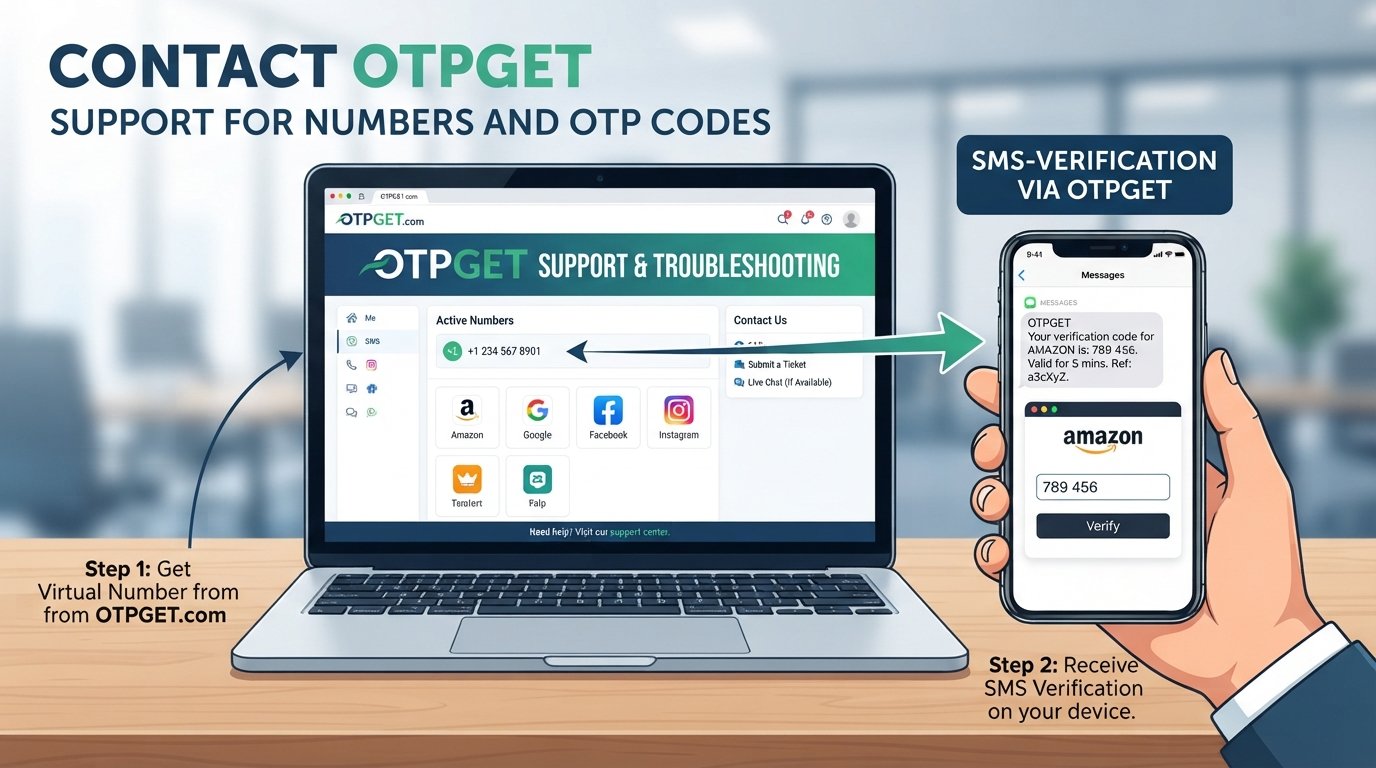
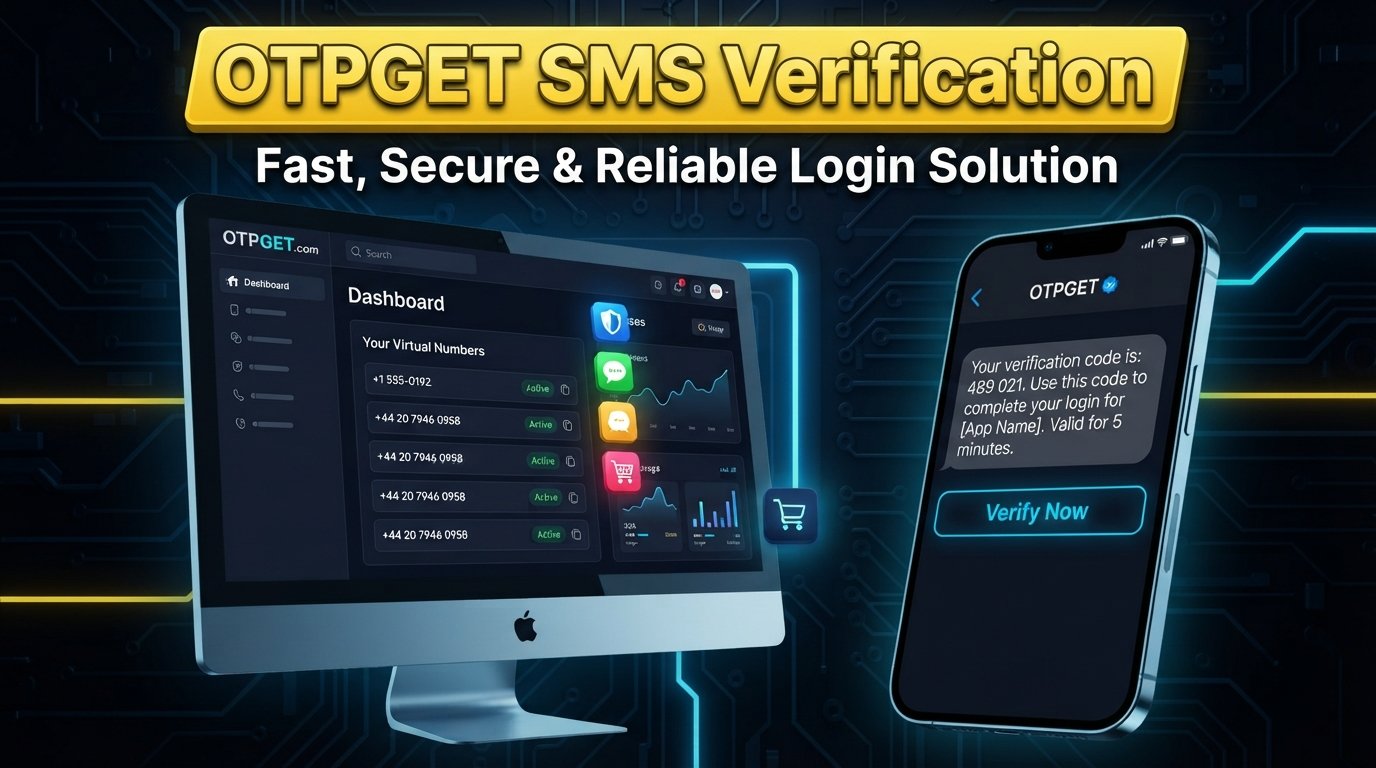
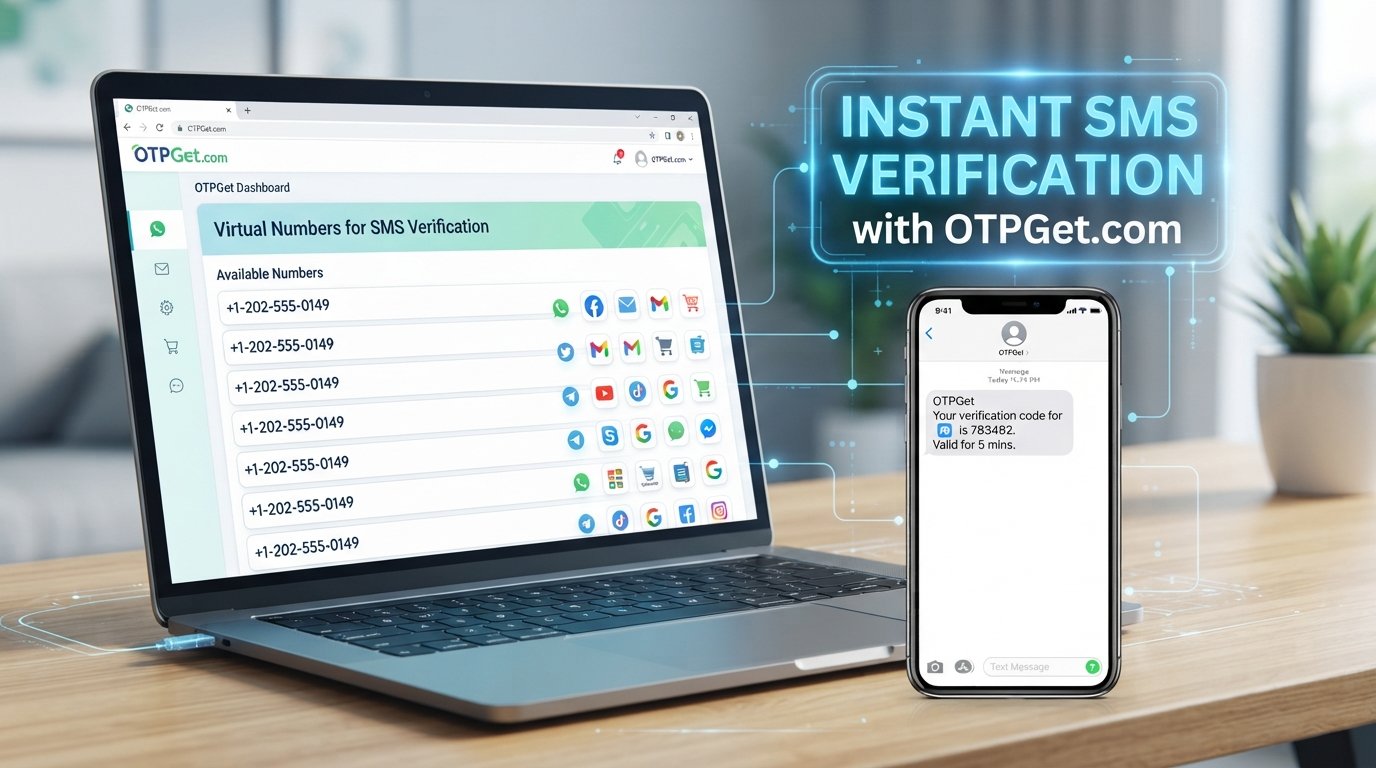
OTPGet provides an option for users looking to work with virtual numbers for SMS and OTP verification. Rather than treating the process as a complicated technical task, users can approach it as a straightforward verification workflow: select an appropriate number, use it with a supported service, and check for the incoming message.
The practical value depends on the number and the service you are trying to verify. Availability, compatibility, message delivery, and the lifecycle of a number can vary, so users should check the options available through OTPGet before starting a verification attempt.
For legitimate use cases, this can make the process of receiving verification codes online more organized and convenient.
How to Use OTPGet for SMS Verification
The exact interface and available numbers may vary, but the general workflow is easy to understand:
- Choose the required virtual number.
Select a number that is appropriate for the service you intend to verify. - Enter the number on the relevant service.
Use the virtual number where the service requests an SMS-capable phone number. - Request the verification SMS.
Follow the normal verification process provided by the website or application. - Check OTPGet for the incoming message.
Look for the SMS containing the OTP or verification code. - Enter the OTP.
Copy the received code into the appropriate verification field. - Complete the process.
Follow any remaining instructions from the service.
One important consideration is compatibility. Not every website accepts every virtual number, and some platforms may have their own rules regarding SMS verification. If a number is not accepted, using a different number or another permitted verification method may be necessary.
Benefits of Using OTPGet
A virtual number service can be useful when it solves a specific communication or verification problem without adding unnecessary complexity.
With OTPGet, potential practical benefits include:
- Convenience: Access verification messages through an online workflow.
- Separation: Keep certain SMS verification messages apart from personal communications.
- Simpler verification: Follow a clear process from number selection to OTP entry.
- Online accessibility: Receive supported SMS messages through a virtual number service.
- Organized workflows: Useful when managing multiple legitimate online services or testing environments.
- Flexible use cases: A virtual SMS number can be relevant to freelancers, developers, businesses, testers, and other users with legitimate verification needs.
These benefits should be considered alongside the service's actual number availability and the requirements of the platform being verified.
Who Can Benefit From a Virtual Number?
A virtual number is not only for one type of user. Different people can have different reasons for using one.
Freelancers may want to separate work-related verification from their personal phone activity.
Remote workers can use suitable online numbers as part of business workflows where virtual numbers are accepted.
Developers and testers may need numbers for testing SMS-based features or verification flows in appropriate environments.
Online businesses may use virtual numbers for legitimate operational workflows that require SMS communication.
Travelers may find virtual numbers useful in situations where an online number is more convenient than relying on a personal mobile number, subject to service compatibility.
Researchers and platform testers may also use virtual numbers when working with SMS-related functionality in controlled, legitimate scenarios.
The common thread is convenience and separation—not bypassing identity checks, security controls, platform restrictions, or other safeguards.
Virtual Number vs. Personal Phone Number
Both options have legitimate uses, and neither is universally suitable for every situation.
| Consideration | Virtual Number | Personal Phone Number |
|---|---|---|
| Privacy considerations | Can separate some online activity from a personal number | Directly associated with your everyday mobile service |
| Convenience | Can be accessed through an online service | Usually available directly on your phone |
| SMS handling | Designed for supported online SMS workflows | Handles personal and verification messages together |
| Accessibility | Depends on the virtual service and available number | Generally available wherever your mobile service works |
| Verification | Useful where virtual numbers are accepted | Widely used for standard phone verification |
| Number lifecycle | May depend on the service or number arrangement | Usually remains associated with your mobile account |
The right choice depends on what you are trying to accomplish and what the receiving service allows.
What to Look for in a Virtual Number Service
Choosing an online SMS number should involve more than simply finding a number that looks available.
Consider these factors before starting:
- Number availability: Is an appropriate number available for your intended use?
- SMS receiving capability: Can the number receive the type of messages you need?
- Supported services: Does the destination platform accept the type of number?
- Ease of use: Can you quickly find and view incoming messages?
- Reliability: Is the service transparent about how its numbers work?
- Clear pricing: Make sure costs and usage conditions are understandable.
- Number lifecycle: Understand whether numbers are temporary, reusable, or subject to availability changes.
- Transparency: Look for clear information about how the service handles numbers and messages.
- Customer support: Support can be useful when a number or verification workflow does not behave as expected.
- Privacy and security practices: Review the provider's policies and avoid assuming that a virtual number automatically provides complete privacy.
For users specifically looking for an OTP verification service, OTPGet can be considered as part of this evaluation. The best fit depends on the available numbers and whether they meet the requirements of the particular verification workflow.
Common Questions About Virtual Numbers and OTP Verification
What is a virtual number?
A virtual number is a phone number provided through an online service rather than requiring a physical SIM card in your personal phone. Depending on the service, it may support incoming SMS.
Can I receive OTP codes on a virtual number?
Yes, a virtual number can receive OTP codes when the number supports SMS and the relevant website or application accepts that type of number. Acceptance is not universal.
How does SMS verification work with a virtual number?
The service sends an SMS to the virtual number. You access the incoming message through the provider, view the verification code, and enter it on the service requesting verification.
Is a virtual number the same as a temporary phone number?
Not necessarily. A temporary phone number is generally intended for short-term use, while a virtual number can refer more broadly to a phone number provided through an online system. Some virtual numbers may also be temporary.
Can every website accept a virtual number?
No. Some websites and applications may restrict virtual, temporary, or certain categories of phone numbers. Always follow the destination service's verification requirements.
How do I receive an SMS online?
You need an SMS-capable virtual number service. After obtaining a suitable number, you can use it with a supported service and check the provider's interface for the incoming message.
How can OTPGet help with verification?
OTPGet gives users an option for obtaining and working with virtual numbers for supported SMS and OTP verification workflows. Availability and compatibility depend on the number and service involved.
Final Thoughts
SMS verification does not have to become a frustrating part of every online workflow. When a service accepts virtual numbers, using one can provide a convenient way to separate verification messages from your personal phone number and manage supported SMS codes online.
A virtual number for OTP verification can be useful for freelancers, developers, remote workers, businesses, testers, travelers, and individuals with legitimate reasons to keep certain online verification activity separate.
OTPGet provides a practical option for users who want to explore virtual numbers for SMS and OTP verification. The key is to choose a number that fits the service you are using, understand the number's availability and lifecycle, and follow the destination platform's rules.
If you need an online number for a legitimate verification workflow, explore OTPGet and check whether its available virtual numbers meet your requirements.