Virtual Numbers for Online Account Verification: Practical Guide
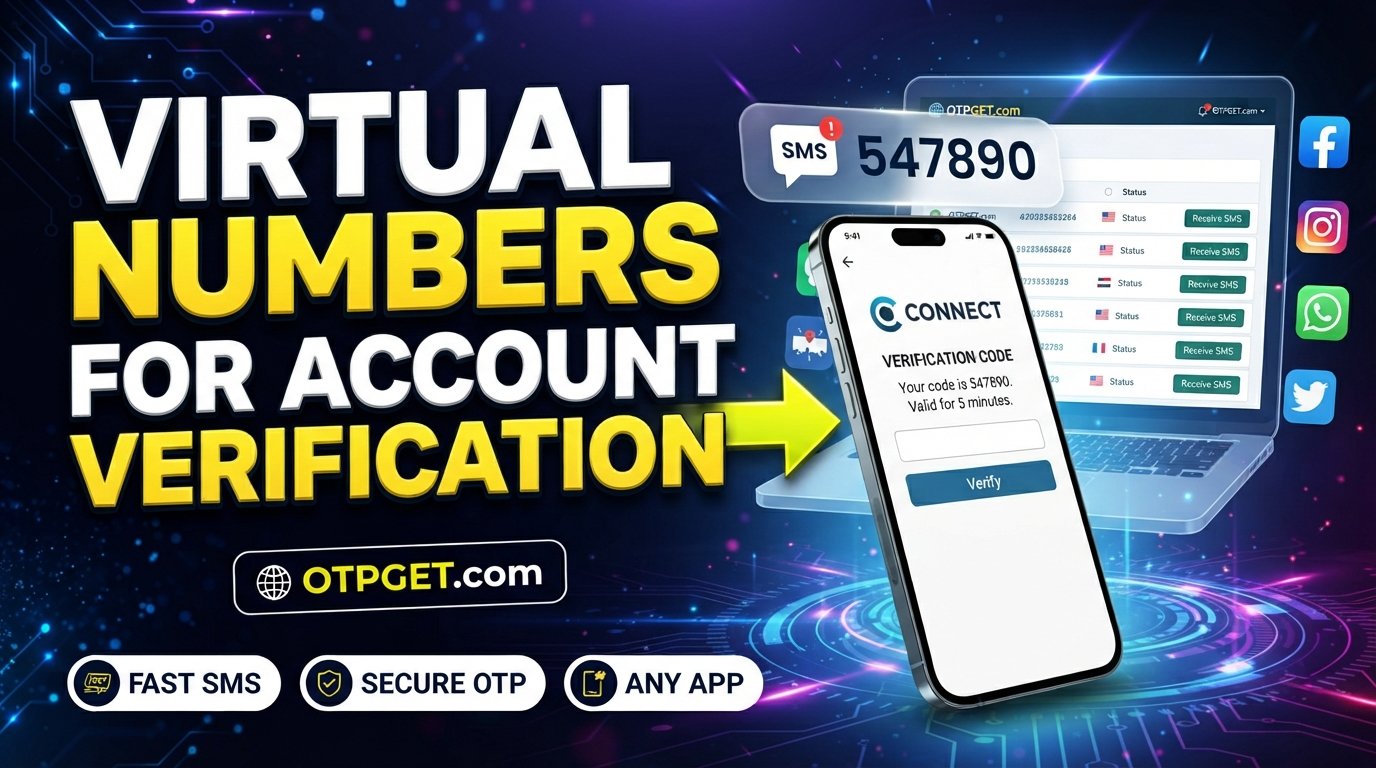
Virtual Numbers for Online Account Verification
Signing up for an online service often comes with one extra step: phone number verification. A website or app asks for your number, sends an SMS verification code, and requires you to enter that code before you can continue.
For many people, using a personal phone number for every registration is not ideal. You may want to keep personal communications separate from online accounts, reduce unnecessary exposure of your number, or simply have a dedicated option for services that require SMS verification.
That is where virtual numbers for online account verification can be useful.
A virtual number can provide a separate phone number capable of receiving SMS for supported services. For users looking for a practical way to handle verification messages, OTPGET can be considered as an option for accessing virtual numbers for SMS and OTP-based verification where supported.
What Are Virtual Numbers for Online Account Verification?
A virtual number is a phone number that operates through an online or digital service rather than being tied to a traditional physical SIM in the way many personal mobile numbers are.
Depending on the service, a virtual phone number may be able to receive SMS messages, including verification codes sent by websites and applications.
For online account verification, the basic idea is straightforward:
-
You obtain an eligible virtual number.
-
You provide that number to a supported website or app.
-
The service sends an SMS verification code.
-
The message is received through the virtual number service.
-
You use the verification code to complete the required step.
This makes an online virtual number useful when you need a number for SMS verification without necessarily using your primary personal number.
However, virtual numbers are not universally accepted. Some websites and apps restrict VoIP, temporary, or certain types of virtual mobile numbers. Acceptance can depend on the platform, country, carrier, and verification system involved.
How Online Account Verification Works
Most SMS-based verification processes follow a similar sequence.
1. A service requests your phone number
During registration, login, account recovery, or another supported process, a website or app may ask you to provide a phone number.
2. You provide an eligible number
You enter a number that the service accepts for phone verification. This could be a personal mobile number or, where supported, a virtual number.
3. An SMS verification code is sent
The platform sends a temporary verification code to the number. This is commonly referred to as an OTP, or one-time password.
4. The code is received
If the number supports the particular service and message type, the SMS arrives through the relevant phone or virtual number service.
5. You enter the OTP
You enter the received SMS verification code into the website or app to complete the verification step.
The process sounds simple, but compatibility matters. A number that works for one service may not work for another. For this reason, users should always check whether a virtual number is suitable for their intended verification process.
Why Use a Virtual Number for Verification?
There are several practical reasons someone may prefer a virtual number for SMS verification.
Keep your personal number separate.
Using a dedicated number for online registrations can help separate personal communications from accounts and services you use online.
Reduce unnecessary personal number exposure.
Not every website or application needs to have access to your primary phone number. A separate verification number can be useful when a service supports it.
Manage online accounts separately.
People who regularly register for legitimate online services may find a dedicated virtual number easier to manage than using the same personal number everywhere.
Receive SMS verification codes.
A suitable SMS-enabled virtual number can provide a way to receive OTP messages for supported websites and apps.
Simplify online registrations.
When phone verification is required, having access to an appropriate virtual number can make the process more convenient.
The important point is that a virtual number is a practical separation tool, not a guarantee of anonymity or security. Users should still protect their account credentials and follow the requirements of the service they are using.
OTPGET: A Practical Solution for Virtual Number Verification
For people searching for a virtual number for verification, OTPGET can be considered as a practical option for supported SMS and OTP verification needs.
Instead of relying on a personal phone number for every online registration, users can consider a dedicated virtual number through OTPGET when the target website or application accepts that type of number.
The general workflow is simple:
-
Choose a suitable virtual number or service through OTPGET.
-
Use the provided number on the supported website or app.
-
Wait for the verification SMS.
-
Access the received OTP or verification code through the service.
-
Enter the code on the website or application.
-
Complete the required verification process.
The key word is supported. Whether a particular number can be used depends on the policies and technical requirements of the website or app being verified.
This makes OTPGET particularly relevant for users who want a dedicated number for SMS verification rather than automatically exposing their personal phone number to every online service.
Key Benefits of Using OTPGET for Online Verification
OTPGET can fit into situations where users need convenient access to virtual numbers for supported verification workflows.
Potential practical benefits include:
-
Convenient access to virtual numbers for supported online verification needs.
-
A separate number for online services, helping keep personal and online communications distinct.
-
Easier handling of verification SMS when a compatible number is available.
-
Reduced need to share a personal number with every supported online service.
-
A practical SMS/OTP workflow for users who regularly encounter phone verification requirements.
-
Useful separation between personal activity and online registrations.
The right choice still depends on the service being verified. Before obtaining a number, it is sensible to consider the target platform's requirements and whether the number type you need is available.
What to Look for in a Virtual Number Service
Not all virtual phone numbers work in the same way. Before choosing a virtual number service, consider the following factors.
Number availability
Check whether the provider has the type of number you need. Availability may vary by country, region, and demand.
SMS receiving capability
If your goal is OTP verification, the number needs to support receiving the relevant SMS messages.
Compatibility
A number may be technically capable of receiving SMS but still be rejected by a particular website or app. Consider the target service's policies before proceeding.
Availability duration
Some virtual numbers may be available only for a limited period. Consider how long you need access, particularly if the account may require future verification.
Privacy considerations
Think about whether using a separate number helps you achieve your desired level of separation between personal communications and online accounts.
Pricing transparency
Understand what you are paying for and whether the service fits your intended use before obtaining a number.
Ease of use
A straightforward process for obtaining a number and accessing received messages can make verification less complicated.
These criteria can also be used to evaluate OTPGET against your particular requirements rather than assuming that every virtual number will work for every service.
Virtual Numbers vs. Personal Phone Numbers
Both personal and virtual phone numbers can have legitimate uses. The appropriate choice depends on the service requirements and what you want to accomplish.
| Factor | Personal Phone Number | Virtual Number |
|---|---|---|
| Privacy/separation | Uses your primary number | Can provide a separate number |
| Convenience | Usually already available | Requires access through a service |
| Account verification | Widely used | Supported only where accepted |
| Multiple online services | Same number may be reused | Can provide separate online-use options |
| Personal number exposure | Personal number is shared | Personal number may remain separate |
| Flexibility | Tied to your mobile service | Depends on provider and availability |
A virtual number is therefore not automatically a replacement for a personal mobile number. It is an additional option for situations where a suitable virtual number is accepted.
Common Use Cases for Virtual Numbers
Virtual numbers can have several legitimate applications beyond a single registration.
Online account registration: Some websites require phone verification before completing registration.
SMS verification: A compatible virtual number may receive verification messages for supported services.
Testing online services: Developers, businesses, and testers may need separate numbers when evaluating legitimate SMS-based workflows.
Separating business and personal activity: A separate number can help keep different types of communication organized.
Managing online accounts: Users may prefer a dedicated verification number for certain services rather than sharing a personal number.
Protecting a personal number from unnecessary exposure: Where a platform accepts virtual numbers, a separate number can help maintain a clearer boundary between personal communications and online activity.
These use cases should always remain within the rules of the website, app, or service involved. A virtual number should not be treated as a method for bypassing legitimate verification, identity checks, account restrictions, or security controls.
Things to Know Before Using a Virtual Number
Virtual numbers are useful, but they have limitations that are important to understand.
First, not every website accepts virtual numbers. Some platforms may restrict VoIP, temporary numbers, or numbers associated with particular services.
Second, availability can vary by location. A number suitable for one country or service may not be available or accepted elsewhere.
Third, some numbers may have limited availability or usage periods. If continued access to an account matters, consider whether the verification number needs to remain accessible.
Finally, users should follow the terms and policies of the website or app they are using. Online verification exists for a reason, and a virtual number should not be presented as a way around legitimate identity or security requirements.
These limitations are not reasons to avoid virtual numbers; they simply mean that compatibility should be checked before use.
How to Choose the Right Virtual Number for Verification
Before choosing a virtual number, run through this simple checklist:
-
Is the number supported by the target website or app?
-
Can the number receive SMS messages?
-
Is the required country or region available?
-
How long will the number remain accessible?
-
Is the verification message supported?
-
Does the provider clearly explain how its service works?
-
Does the option fit your privacy and account-management needs?
-
Does the service provide the type of access you actually need?
OTPGET can be one option to consider when these requirements match your intended use. The goal is not simply to find any virtual mobile number, but to find an appropriate number for the specific verification process you need to complete.
Frequently Asked Questions
What is a virtual number for online account verification?
A virtual number is a phone number provided through an online service that can, depending on the service, receive SMS messages. When accepted by a website or app, it can be used to receive an OTP or verification code without requiring you to provide your primary personal number.
Can a virtual number receive OTP codes?
Yes, a suitable SMS-enabled virtual number can receive OTP codes when the relevant service supports the number. However, not every website or app accepts virtual or temporary numbers, so compatibility should always be checked before attempting verification.
How does SMS verification with a virtual number work?
The process is similar to ordinary phone verification. You provide the eligible virtual number, the website sends an SMS verification code, you access the received message through the virtual number service, and then enter the code on the website or app.
Why use a virtual number instead of a personal number?
A virtual number can help separate your personal phone number from online registrations and supported verification processes. It can be useful when you want a dedicated number for online services rather than using your primary number for every account.
Does every website accept virtual numbers?
No. Acceptance varies between websites, apps, countries, carriers, and verification systems. Some services restrict VoIP or temporary numbers. Always follow the platform's requirements and use a number that the service legitimately accepts.
Is OTPGET suitable for online verification?
OTPGET can be considered by users looking for virtual numbers for supported SMS and OTP verification needs. The suitability of a particular number depends on the requirements and acceptance policies of the website or app being verified.
What should I check before choosing a virtual number?
Check whether the number can receive SMS, whether the required region is available, whether the target service accepts that type of number, how long access remains available, and whether the provider fits your privacy and account-management requirements.
Need a Virtual Number for Online Account Verification?
When an online service requires phone verification, using a personal number is not always the only option. Where supported, a virtual number for online account verification can provide a practical way to separate personal communications from online registrations and receive SMS verification codes.
OTPGET is an option to consider when you need access to a virtual number for supported SMS or OTP verification. Choose a suitable number based on the target service's requirements, use it within the platform's policies, and complete verification through the normal process.
If keeping your personal number separate is important for your online account management, explore OTPGET and consider whether a suitable virtual number fits your verification needs.