Virtual Phone Numbers for Personal and Business Use | OTPGET
Virtual Phone Numbers for Personal and Business Use | OTPGET
Your phone number has probably become part of more online accounts than you can remember. It may be connected to social platforms, shopping accounts, work tools, messaging apps, customer inquiries, and verification systems.
That can create an awkward problem: one number has to serve too many purposes.
A virtual phone number offers another way to organize digital communication. Instead of relying entirely on a physical SIM card, you can use a number that is managed through an online service. Depending on the provider and number type, it may support SMS, calls, verification, business communication, or specific online services.
For individuals, virtual phone numbers can provide a practical way to keep personal contact details separate from online activity. For businesses, they can help organize communication and verification workflows without tying every task to an employee's personal number.
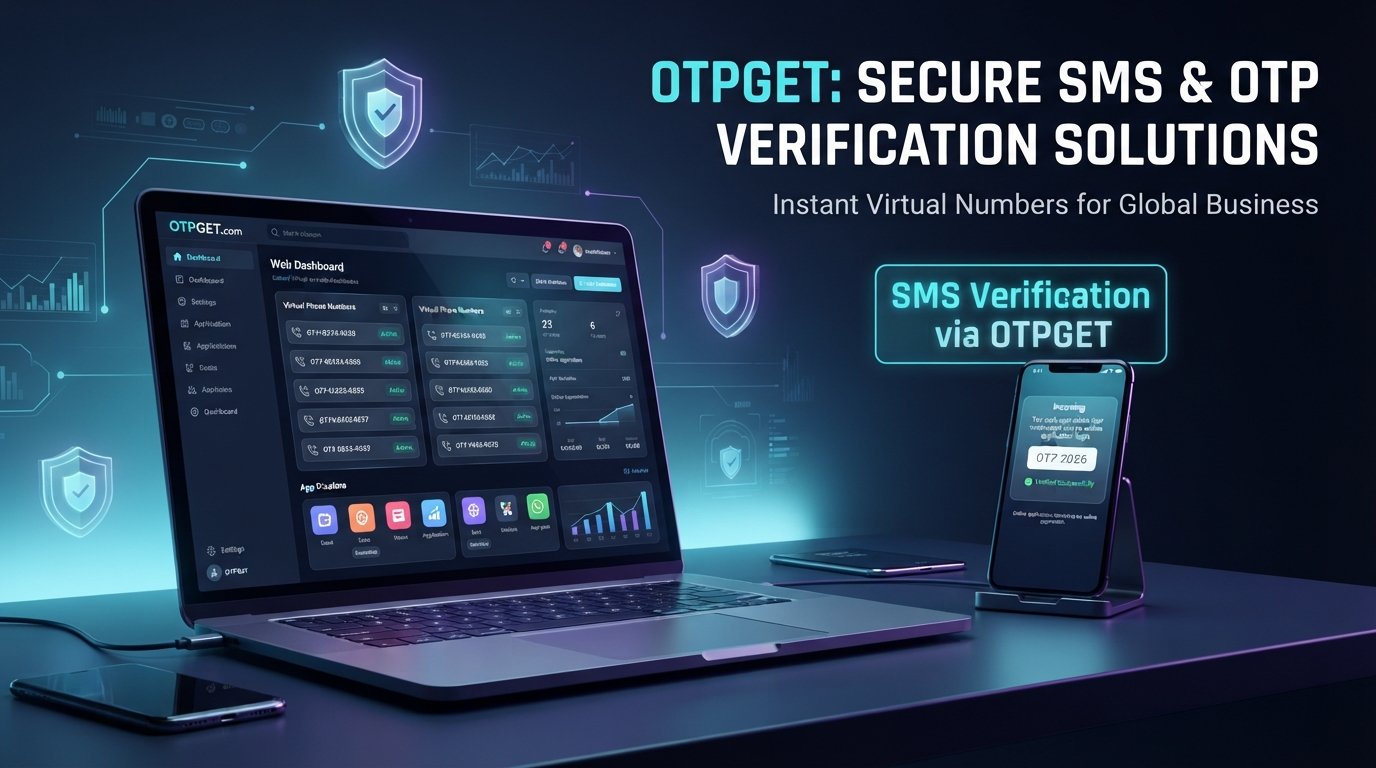
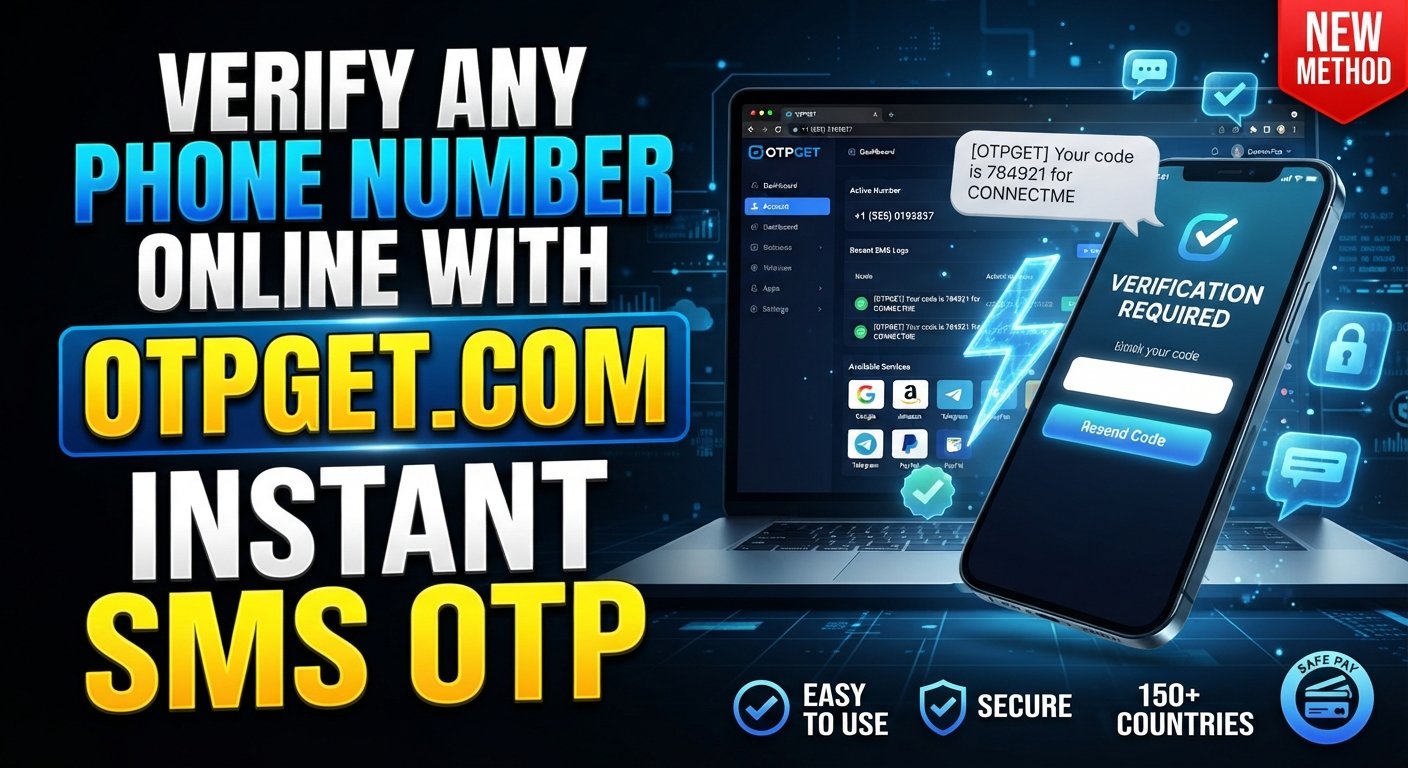
For users specifically interested in online numbers and SMS-based verification, OTPGET is one solution worth exploring. Its published offering focuses on virtual numbers for OTP and SMS verification, including one-time numbers, rental numbers, and developer-oriented tools.
What Is a Virtual Phone Number?
A virtual phone number is a telephone number that operates through online infrastructure rather than requiring the number to be tied directly to a physical SIM card in your phone.
The important distinction is where the number is managed. A traditional mobile number is normally associated with a SIM or eSIM provided by a mobile carrier. A virtual number is typically managed through a cloud-based platform or communications service.
The exact capabilities vary considerably between providers.
Some virtual numbers support incoming and outgoing calls. Others are designed mainly for SMS. Some are intended for business communication, while others focus on account verification and receiving one-time passwords.
That means the phrase "virtual phone number" does not automatically mean "a complete replacement for a mobile phone." Before choosing one, check what the specific number actually supports.
For example, someone looking for a second phone number for customer inquiries may need voice calling, while someone who only needs an online number for verification may primarily need SMS reception.
Why Are Virtual Phone Numbers Useful?
The appeal of virtual phone numbers comes down to flexibility. Instead of using one physical number for everything, you can assign different numbers to different communication needs.
Privacy and separation
Using a separate number can reduce the number of situations where you need to share your primary personal number.
For example, you might want a different contact number when communicating with unfamiliar people, registering for an online service, or handling a side project. This does not guarantee privacy or anonymity, but it can provide useful separation.
Convenience
A virtual number can be managed online, depending on the provider. That can be convenient when you work across devices or locations and do not want communication tied to a particular physical phone.
Personal and business separation
A dedicated business virtual phone number can help keep work communication distinct from personal calls and messages.
This separation can be especially useful for freelancers, consultants, small business owners, and remote teams.
Online communication and verification
Many online services use SMS-based verification as part of registration or account access. A suitable virtual number may allow users to receive verification messages without using their primary personal number.
However, compatibility is not universal. Some platforms restrict or reject certain types of virtual numbers, so checking compatibility before purchase is important.
Virtual Phone Numbers for Personal Use
There are plenty of legitimate reasons to use virtual phone numbers for personal use.
Imagine that you are selling an item online. You want potential buyers to contact you, but you would rather not publish your main mobile number. A separate number can create a useful boundary between your private communications and the transaction.
Another example is signing up for an online service where you would prefer not to use your primary number. A personal virtual phone number may provide an additional layer of separation.
Common personal use cases include:
- Keeping your primary phone number less exposed
- Creating a second number for online communication
- Separating personal and online contacts
- Managing communications for side projects
- Receiving SMS where the chosen number and service are compatible
- Using a separate number for temporary communication needs
Responsible use matters. A virtual number should not be used to bypass a service's rules, impersonate another person, or facilitate fraudulent activity. Always follow the policies of the service you are accessing and the provider supplying the number.
Virtual Phone Numbers for Business Use
Businesses often have more complicated communication requirements than individuals.
A small company may need a number for customer inquiries. A freelancer may want a dedicated contact number for clients. A remote team may need communication that is not tied to one employee's personal mobile device.
A virtual number for small business can be useful when the goal is to create clearer boundaries between professional and personal communication.
Potential business applications include:
- Customer and sales inquiries
- Remote business communication
- Freelancer and consultant contact details
- Online business operations
- Service-account verification
- Managing multiple communication requirements
- Separating business and personal calls
- Supporting distributed teams
There is an important distinction, though. Not every virtual number is designed for customer calls. If your business needs two-way voice communication, call routing, voicemail, or a shared business inbox, confirm that the provider and number type support those requirements.
For businesses primarily dealing with SMS verification, account onboarding, testing, or digital workflows, an SMS-focused provider may be more relevant.
How OTPGET Can Help
When your main requirement involves virtual phone numbers for SMS verification, OTPGET provides a focused option to investigate.
According to its published service information, OTPGET offers virtual numbers for SMS OTP verification, along with rental virtual numbers and developer APIs. Its site also lists availability across more than 180 countries and support for thousands of services.
That makes the platform particularly relevant for use cases where the goal is to obtain an online phone number, receive a verification message, or manage verification-related workflows.
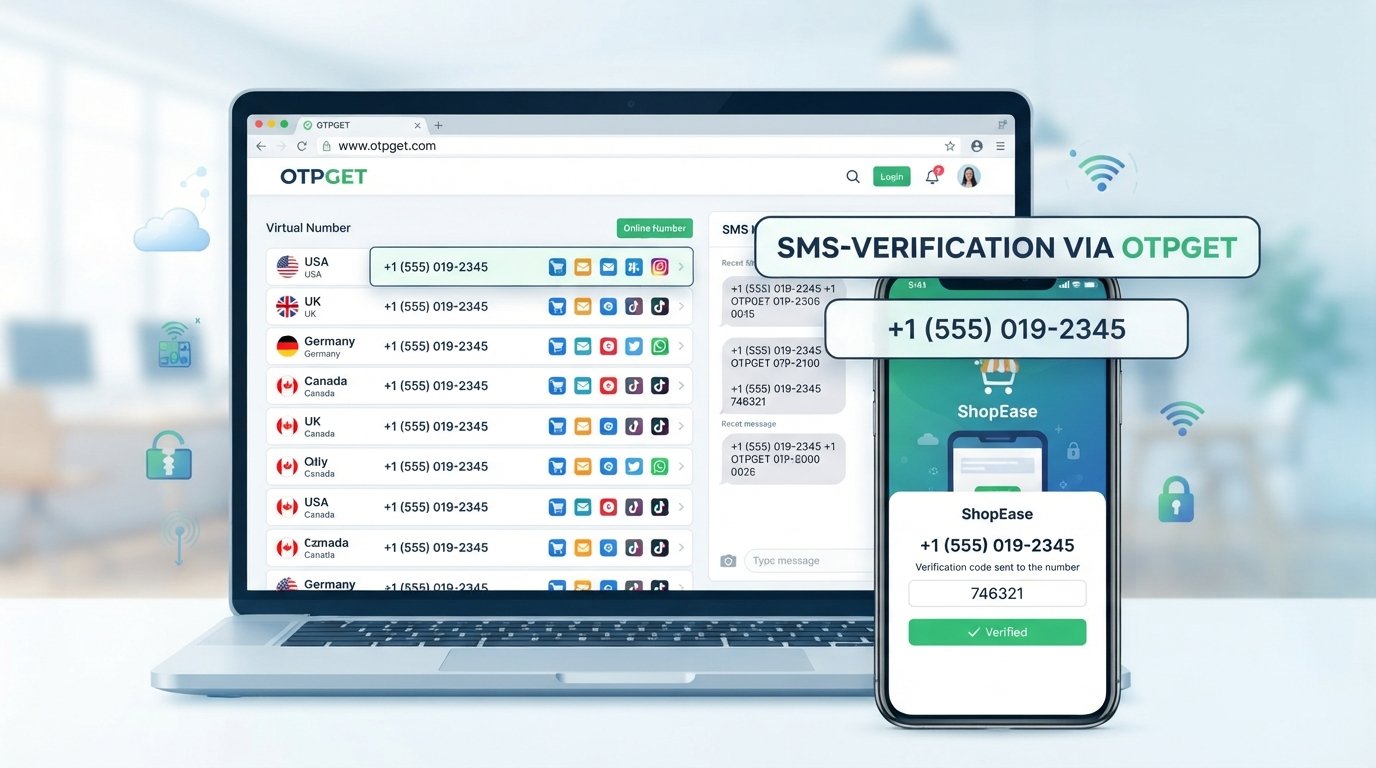
For example, a user may need a number for a supported service without connecting the activity to their primary personal number. A developer or business may have a more structured need involving programmatic access to virtual numbers and received OTP codes. OTPGET publishes REST API documentation for SMS OTP and rental-number workflows.
OTPGET also publishes information about both one-time virtual numbers and longer-term rentals. Its rental offering is described as supporting periods ranging from hours to months, which can be relevant when a number needs to remain available beyond a single verification event.
The key point is to match the service to the job.
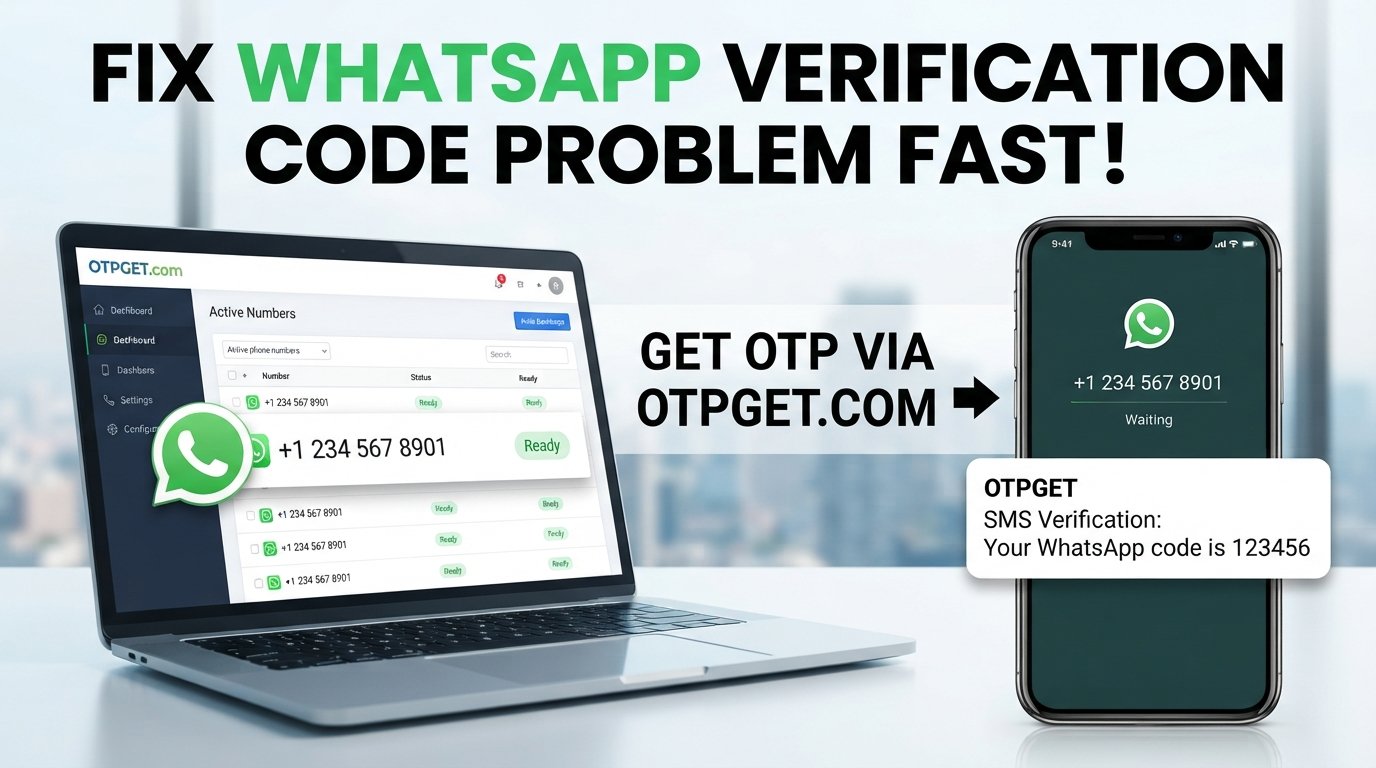
If you need receive SMS online functionality or receive verification codes for supported services, OTPGET may be worth considering. If you need a traditional business calling system, first verify whether the specific OTPGET number and service meet those voice requirements.
That distinction helps you choose based on actual needs rather than simply choosing a provider because it offers virtual numbers.
Key Things to Consider Before Choosing a Virtual Number
Not all virtual phone numbers work in the same way. Before signing up, consider the following.
1. Intended purpose
Start with the job you need the number to perform.
Is it for personal privacy, customer communication, SMS verification, account testing, a second number, or long-term business use?
Your answer will determine what type of number makes sense.
2. Country availability
If you need an international virtual phone number, check whether the country you need is actually available.
Country selection can also matter for verification because some online services have regional requirements.
3. SMS and call support
Confirm whether the number supports incoming SMS, outgoing SMS, voice calls, or only a particular type of communication.
Do not assume every virtual number includes every feature.
4. Verification compatibility
If verification is your primary purpose, check whether the intended service accepts the number type.
Some platforms may not accept certain virtual, VoIP, temporary, or previously used numbers.
5. Number availability
A country or service may appear on a provider's platform without every specific number being available at the moment you need it. Check actual availability before planning a workflow around it.
6. Privacy considerations
A separate number can help reduce exposure of your primary number, but it is not a universal privacy solution.
Review the provider's privacy policy and understand how numbers, messages, account information, and other data are handled.
7. Reliability and ease of use
For an individual, a simple dashboard may be enough. A business or developer may need APIs, documentation, rental options, or repeatable workflows.
Choose based on how frequently you will use the number and how much management is involved.
8. Cost and provider policies
Look beyond the headline price. Check number duration, renewal terms, supported services, cancellation policies, and any usage restrictions.
The cheapest number is not necessarily the right choice if it does not support your intended use.
Virtual Phone Numbers vs. Traditional Phone Numbers
Both options have legitimate uses. The right choice depends on what you need the number to do.
| Feature | Virtual Phone Number | Traditional Phone Number |
|---|---|---|
| Physical SIM required | Usually no | Usually yes, or an eSIM |
| Flexibility | Often managed online | Typically tied to a mobile carrier account |
| Business/personal separation | Easy to create additional numbers, depending on provider | Often requires another SIM, eSIM, or line |
| Online accessibility | May be accessible through a web dashboard or app | Usually accessed through a physical or carrier-connected device |
| Mobility | Can be useful across devices and locations, depending on service | Usually follows the mobile device and carrier |
| Typical use cases | Online services, verification, business workflows, additional numbers | Everyday calling, texting, mobile connectivity |
The biggest difference is not that one technology is universally superior. It is that they are designed around different communication models.
Common Questions About Virtual Phone Numbers
What is a virtual phone number?
A virtual phone number is a phone number managed through online or cloud-based infrastructure rather than being directly dependent on a physical SIM card. Its capabilities depend on the provider and number type.
Can I use a virtual phone number for personal use?
Yes. Personal uses can include creating a second number, reducing exposure of your primary number, managing online contacts, or handling temporary communication needs.
Can businesses use virtual phone numbers?
Yes. Businesses can use them for customer communication, remote teams, online services, account verification, and separating business communication from employees' personal numbers. The appropriate solution depends on whether the business needs SMS, voice, or both.
Can virtual numbers receive SMS verification codes?
Some can. Compatibility depends on the provider, number type, country, and service sending the SMS. OTPGET specifically publishes virtual numbers designed for SMS OTP verification on supported services.
Are virtual phone numbers private?
A separate number can help keep your primary number from being shared in certain situations, but it should not be treated as an absolute privacy guarantee. Review provider policies and the privacy practices of the service you are using.
How can I choose the right virtual phone number provider?
Start with your intended use. Then compare country availability, SMS or voice support, verification compatibility, number duration, privacy practices, ease of use, provider policies, and total cost.
How can OTPGET help with virtual phone numbers?
OTPGET publishes services focused on virtual numbers for SMS OTP verification, rental numbers, and developer API access. Its published country and service availability can make it relevant for users whose requirements center on online verification and SMS workflows.
Final Thoughts
A phone number no longer has to serve every part of your digital life.
For individuals, virtual phone numbers can provide a practical way to create separation between personal communication and online activity. For businesses, a virtual number can help organize customer, remote-team, verification, and other communication requirements.
The important step is choosing a number based on the actual job you need it to perform. SMS verification, voice calls, long-term business contact, and temporary communication can require very different solutions.
For readers whose needs center on virtual numbers, SMS verification, and receiving verification codes, OTPGET is a solution worth exploring. Its published offering includes virtual numbers, rental numbers, and developer tools designed around verification workflows.
Before choosing any provider, compare the available number types, supported services, countries, policies, and communication features. That simple checklist can help you find a virtual phone number that fits your personal or business requirements without paying for capabilities you do not need.
10. Suggested Internal Links
- Suggested anchor text: What Is a Virtual Phone Number?
Suggested page/topic: Beginner's guide to virtual phone numbers and how they work - Suggested anchor text: Receive SMS Online Without a SIM Card
Suggested page/topic: Guide to receiving SMS online using virtual numbers - Suggested anchor text: SMS Verification Guide
Suggested page/topic: How SMS and OTP verification works for online services - Suggested anchor text: Virtual Numbers for Business
Suggested page/topic: Practical business use cases for virtual phone numbers - Suggested anchor text: Virtual Number API
Suggested page/topic: Developer guide to integrating virtual numbers and OTP workflows - Suggested anchor text: Temporary vs. Rental Virtual Numbers
Suggested page/topic: Comparison of one-time numbers and longer-term number rentals - Suggested anchor text: Protect Your Personal Phone Number
Suggested page/topic: Practical phone number privacy and online communication tips - Suggested anchor text: OTPGET Virtual Numbers
Suggested page/topic: OTPGET's virtual number service and supported verification workflows
11. Final SEO Checklist
- Article length: Within the requested range
- SEO title: 60 characters
- Meta title: Concise and keyword-focused
- Meta description: Exactly 160 characters
- URL slug: Lowercase, descriptive, and clean
- Primary keyword: Used naturally in strategic locations
- Secondary keywords: Integrated contextually
- OTPGET: Clearly featured without unsupported claims
- Search intent: Informational and commercial intent addressed
- H1: One primary H1 included
- H2/H3 structure: Clear and search-friendly
- Comparison table: Included
- FAQs: Included
- Internal linking opportunities: Included
- Privacy/security claims: Balanced and qualified
- Statistics/testimonials: No fabricated claims
- Year references: None
- Readability: Short paragraphs, active voice, varied sentence structure
- Publication readiness: Suitable for direct editing and publishing