Are Virtual Phone Numbers Safe for Online Verification? A Guide
Are Virtual Phone Numbers Safe for Online Verification?
You find a new website or app that asks for your phone number before you can continue. The request may be routine, but it can also raise an obvious privacy question: Do you really want to give your personal number to another online service?
That is where a virtual phone number can be useful. But are virtual phone numbers safe for online verification?
They can be, provided the number comes from a reputable provider, the service handles verification messages responsibly, and the number is appropriate for the account being verified. Virtual numbers can reduce unnecessary exposure of a personal phone number, but they are not automatically private, anonymous, or suitable for every account.
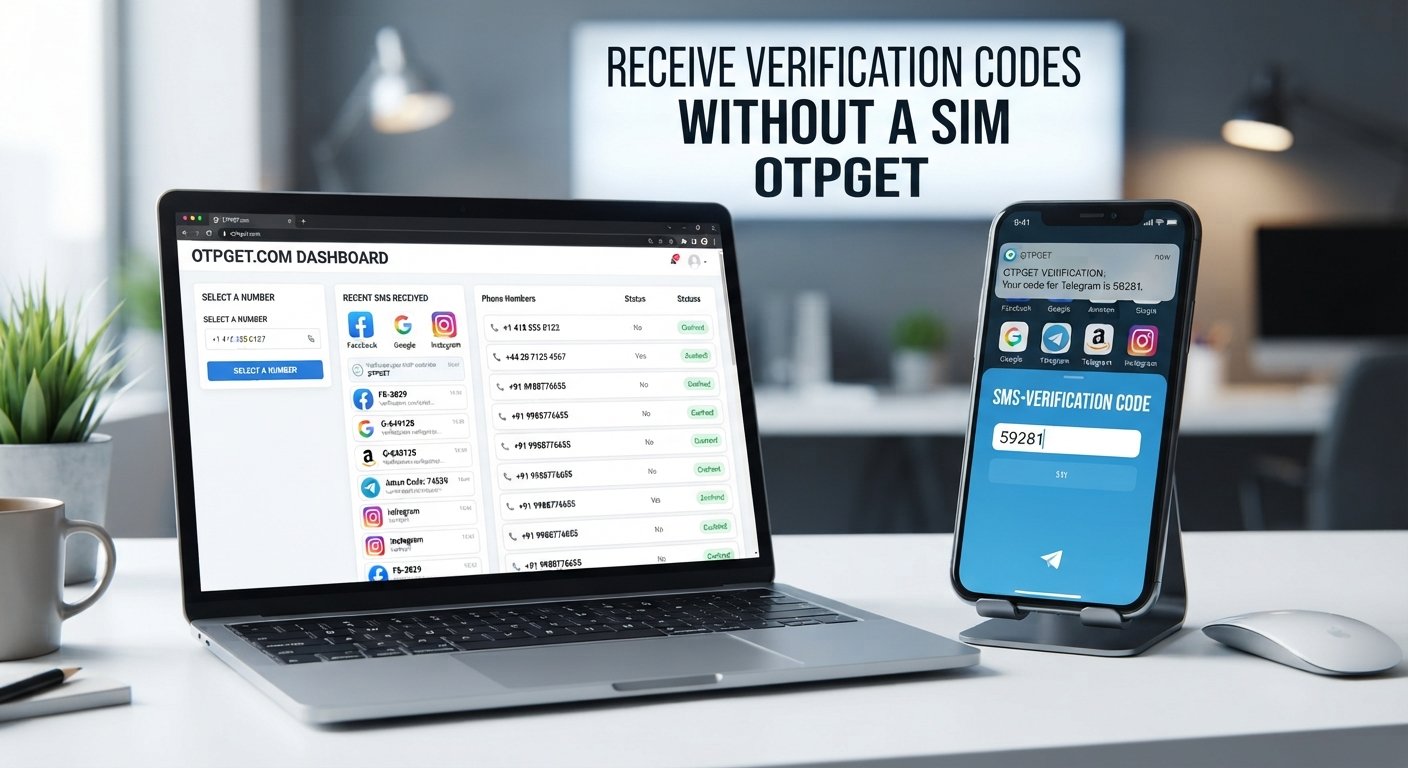
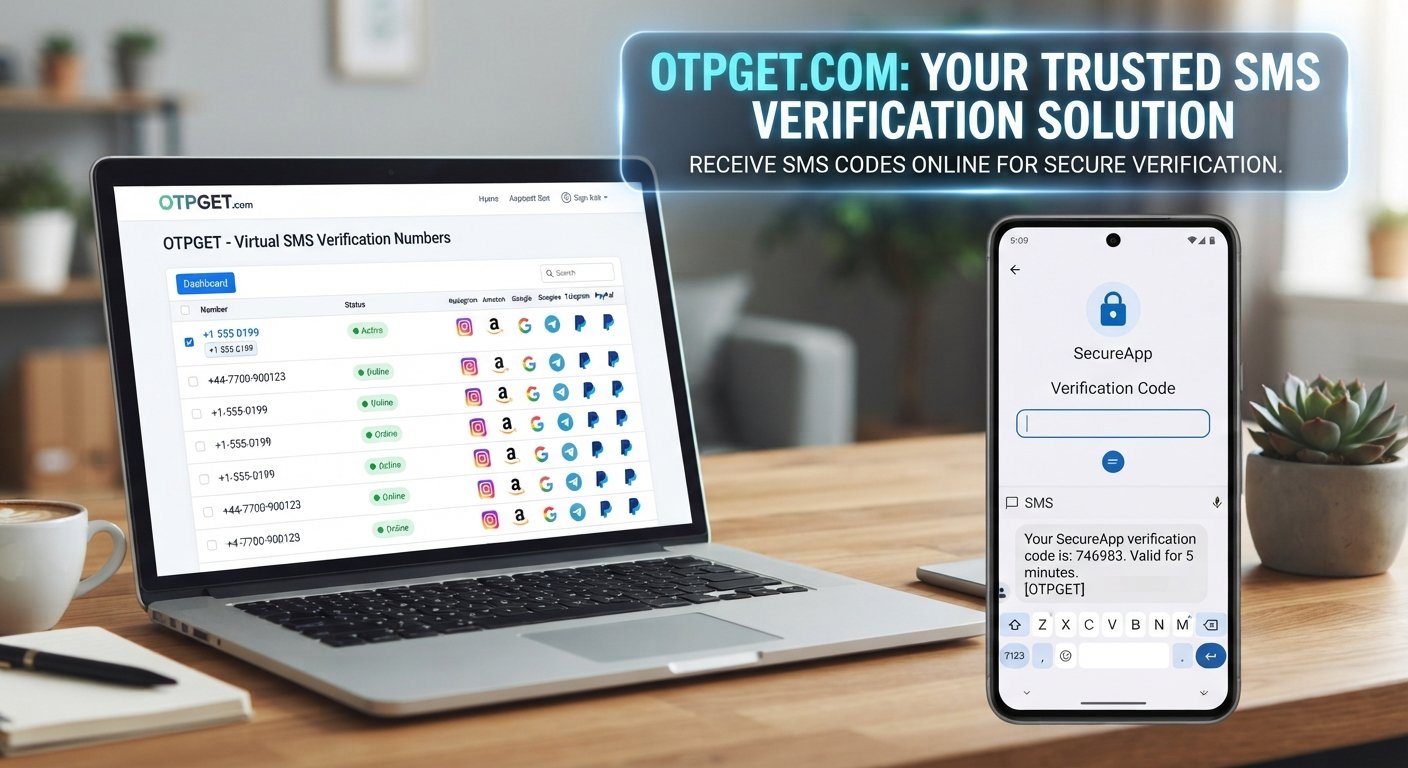
Services such as OTPGET can provide a practical way to receive verification messages through virtual phone numbers when a website or app accepts them. Understanding how these numbers work—and where their limitations are—is the key to using them responsibly.
What Is a Virtual Phone Number?
A virtual phone number is a phone number that is provided and managed through an online telecommunications service rather than being tied directly to a physical SIM card in your personal smartphone.
Depending on the service, a virtual number may be able to receive SMS messages, calls, or both. For online verification, the most relevant function is usually receiving an SMS verification code or one-time password (OTP).
The basic idea is simple: instead of giving a website your everyday mobile number, you use a separate number for a supported verification purpose.
A virtual number can therefore act as a layer between your personal contact information and an online service. However, the level of privacy and control depends on how the provider manages its numbers.
Are Virtual Phone Numbers Safe for Online Verification?
Virtual phone numbers can be safe for online verification, but their safety depends on the provider, the type of number, how verification codes are handled, and the policies of the website or app being verified.
There is no universal answer that applies to every virtual phone service.
A reputable provider should have clear privacy practices and appropriate controls for handling incoming SMS messages. Users should also understand whether a number is dedicated, shared, temporary, or subject to reuse.
There are several potential benefits:
-
Less exposure of your personal number: You can avoid unnecessarily giving your everyday mobile number to online services.
-
Greater separation: A virtual number can separate online registrations from personal communications.
-
Convenience: Verification messages can be received through an online service rather than your regular phone.
-
Flexible use: Virtual numbers can be useful for legitimate testing, registration, and other supported verification scenarios.
At the same time, a virtual number does not make an account automatically secure. If an account is important, the overall authentication setup matters more than simply which phone number receives an OTP.
How Online Verification Works With a Virtual Number
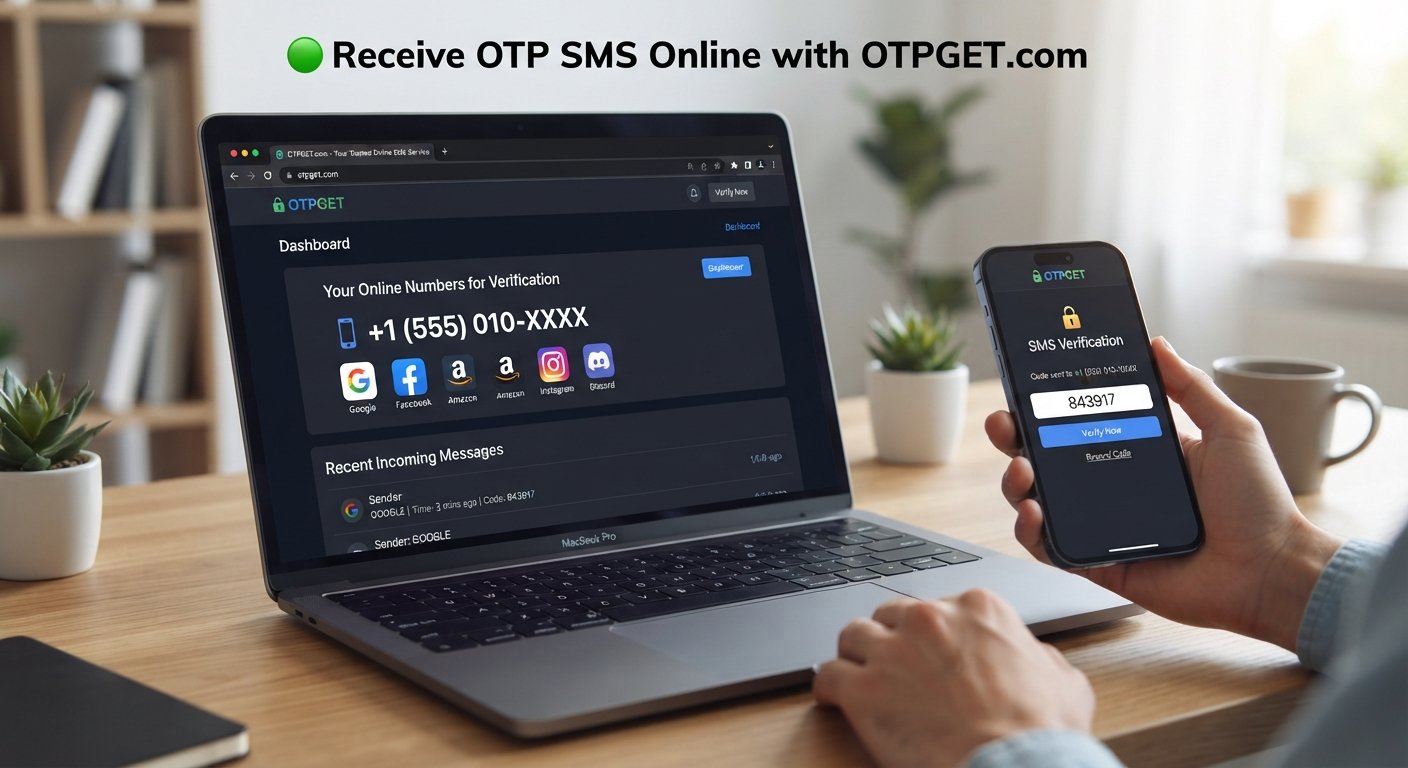
The process is generally straightforward:
-
Select a virtual phone number from a provider that offers the type of number you need.
-
Enter the number on the supported website or app.
-
The platform sends an SMS containing a verification code.
-
The message is delivered to the virtual number.
-
Enter the verification code where requested.
For users searching for a way to receive OTP online, this workflow can be convenient.
However, there is an important qualification: not every platform accepts every type of virtual number. Some websites distinguish between mobile, landline, VoIP, temporary, or other number types. A service may also change its verification requirements.
For that reason, successful SMS verification should never be treated as guaranteed.
Benefits of Using a Virtual Phone Number
Protecting Your Personal Number
One of the clearest reasons to use a virtual phone number is to reduce unnecessary exposure of your personal contact details.
If an online service only needs a number to send a verification code, some users may prefer not to provide the number they use for family, friends, work, and important accounts.
A separate number creates a degree of separation between personal communications and online verification.
Better Online Privacy
Virtual phone number privacy is not the same thing as anonymity, but separating numbers can make personal information easier to manage.
Instead of using one number everywhere, you can limit where your primary mobile number is disclosed. This can be particularly useful for privacy-conscious users who regularly register for legitimate online services.
Convenience
A virtual SMS number can make it easier to access verification messages through an online service.
For supported use cases, an OTP receiving service can eliminate the need to switch between devices or expose a personal number simply to complete a basic verification step.
Managing Multiple Verification Needs
People sometimes need separate numbers for legitimate online projects, testing environments, registrations, or different types of digital activity.
A virtual phone service can provide flexibility in these situations. The important distinction is that the number should be used in accordance with the website's terms and not to circumvent fraud controls, account restrictions, spam protections, or identity checks.
Risks and Limitations of Virtual Phone Numbers
The question "are virtual phone numbers safe?" becomes more complicated when you consider how different providers operate.
Some Platforms May Reject Virtual Numbers
A website or app may not accept VoIP or other virtual numbers for verification. This is a platform policy issue rather than necessarily a security problem with the number itself.
Numbers May Be Shared or Reused
Some services provide numbers that are shared, temporary, or eventually recycled. This can create additional privacy and account-recovery considerations.
Before choosing a number, understand whether it is dedicated or shared and how long you can expect to control it.
Temporary Numbers Are Not Ideal for Critical Accounts
A temporary virtual phone number may be useful for a short-lived verification requirement, but it is generally a poor choice for an account that you expect to keep for a long time.
If you lose access to the number, you may also lose an important recovery channel.
Virtual Numbers Are Not Complete Anonymity
Using a virtual number does not mean that all activity becomes anonymous.
Online platforms can collect other information, including account details, device information, IP addresses, cookies, and activity data. A virtual number is primarily a privacy-management tool, not a guarantee of anonymity.
Verification Policies Differ
A virtual number that works for one service may not work for another. Platforms can have different requirements for phone number verification, OTP delivery, and account recovery.
That is why responsible users should treat compatibility as something to check rather than something to assume.
What Makes a Virtual Phone Number Provider Safe?
Before selecting a provider, look beyond whether it simply offers a number.
Consider these factors:
-
Clear privacy policy: Understand what information the provider collects and how it is handled.
-
Secure SMS handling: Verification messages can contain sensitive information and should be handled responsibly.
-
Transparent number management: Check whether numbers are dedicated, shared, temporary, or recycled.
-
Reliable account controls: Look for sensible controls around access to your virtual numbers and messages.
-
Clear service information: The provider should explain its service practices rather than making vague security promises.
-
Appropriate data protection: Review how account and message data are stored, processed, and retained.
-
Responsible usage policies: A trustworthy service should support legitimate use rather than encouraging abuse or circumvention.
The goal is not to find a provider that promises absolute security. Instead, look for a service whose practices are understandable and appropriate for your particular verification needs.
Why OTPGET Can Be a Practical Choice
Once you understand the benefits and limitations of virtual numbers, the next question is practical: where can you get one for a legitimate verification need?
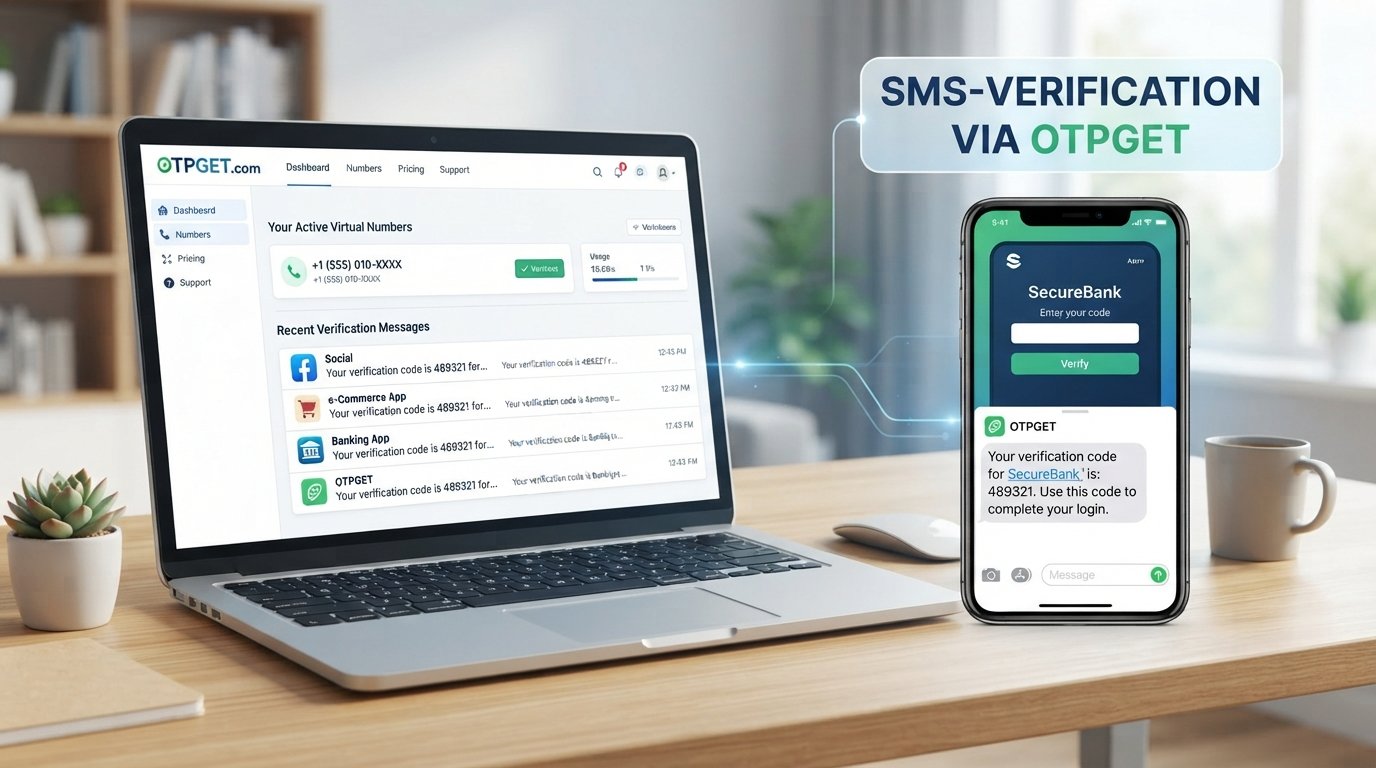
OTPGET provides virtual phone numbers for receiving OTP and verification messages for supported services. Its basic value proposition is straightforward: users who do not want to expose their personal phone number can use a separate virtual number when the platform accepts that type of number.
For supported verification purposes, OTPGET can help users:
-
Receive OTP messages conveniently.
-
Use virtual numbers for appropriate online verification.
-
Keep personal and online verification communications separate.
-
Follow a straightforward workflow for receiving verification codes.
The important point is to check compatibility before relying on a number for a particular service. OTPGET should be viewed as a practical option for supported use cases, not as a guarantee that every website or app will accept a virtual number.
When Should You Use a Virtual Phone Number?
A virtual number can make sense when privacy and separation are important and the website permits its use.
Appropriate examples include:
-
Protecting your personal contact information during online registration.
-
Testing an online service where virtual numbers are permitted.
-
Separating online activities from your everyday phone number.
-
Receiving temporary verification messages for supported services.
-
Reducing unnecessary sharing of your personal number.
For these situations, a virtual number can provide a useful privacy layer without changing how the underlying website's verification process works.
When Should You NOT Use a Virtual Phone Number?
There are situations where a permanent personal number or a stronger authentication method may be more appropriate.
Consider another option when:
-
The account is highly sensitive.
-
Long-term account recovery is especially important.
-
The platform does not support virtual numbers.
-
The service specifically prohibits virtual numbers.
-
Strong identity verification is required.
-
The account supports stronger authentication options such as passkeys or an authenticator app.
For important accounts, two-factor authentication through an authenticator app or passkey can provide a stronger and more durable authentication method than relying on SMS alone.
A temporary phone number should also generally not be treated as a permanent recovery mechanism.
Tips for Using Virtual Numbers More Safely
If you decide to use a virtual number, a few habits can reduce unnecessary risk:
-
Choose a reputable provider. Look for transparent service and privacy practices.
-
Read the privacy policy. Know what happens to your account and message data.
-
Check number ownership. Understand whether your number is dedicated, shared, temporary, or recycled.
-
Avoid temporary numbers for critical accounts. Use a long-term recovery method where account continuity matters.
-
Never share OTP codes. A verification code should be treated as sensitive information.
-
Use stronger authentication when available. Consider passkeys or authenticator apps for important accounts.
-
Follow platform rules. Do not use virtual numbers to bypass restrictions, identity checks, spam controls, or other safeguards.
-
Keep recovery information updated. Make sure you have a legitimate way to regain access to important accounts.
These practices help put the technology into perspective: a virtual number can support privacy, but responsible account security still requires good authentication and recovery habits.
Virtual Phone Numbers vs. Personal Phone Numbers
Neither option is universally right for every situation. The better choice depends on the purpose, the platform's policies, and how important long-term access is.
| Feature | Personal Number | Virtual Phone Number |
|---|---|---|
| Privacy | More personal information is directly shared | Can reduce exposure of your personal number |
| Convenience | Directly connected to your phone | Can be convenient for online SMS access |
| Online Verification | Commonly accepted, depending on platform | Acceptance varies by platform |
| Long-Term Account Recovery | Generally suitable when maintained | May be unsuitable if temporary or reusable |
| Number Control | Usually tied to your mobile account | Depends on provider and number type |
| Exposure of Personal Contact Details | Higher when used broadly online | Can provide additional separation |
The key difference is control and context. A personal number may be preferable for important, long-term accounts, while a virtual number can be useful when privacy and separation are the priority.
Frequently Asked Questions
1. Are virtual phone numbers safe for online verification?
They can be safe when provided by a reputable service and used appropriately. Safety depends on number management, privacy practices, message handling, and the verification platform's policies.
2. Can I receive OTP codes on a virtual phone number?
Yes, virtual numbers can receive SMS verification codes when the provider supports SMS and the website or app accepts that type of number. Compatibility varies between platforms.
3. Is a virtual phone number private?
It can help protect your personal phone number, but it does not guarantee complete privacy or anonymity. Other information can still be collected by online services.
4. Can websites detect virtual phone numbers?
Some websites can distinguish certain types of numbers, including VoIP or other virtual numbers. Whether a number is accepted depends on the platform's verification and fraud-prevention policies.
5. Are temporary phone numbers safe for account verification?
They can be appropriate for limited, legitimate verification tasks, but they are generally not ideal for important accounts requiring long-term recovery. Number reuse and loss of access should be considered.
6. Can I use a virtual number for two-factor authentication?
Some platforms allow it, while others require a mobile number or recommend stronger methods. For sensitive accounts, an authenticator app or passkey may be preferable when available.
7. What should I check before choosing a virtual phone number provider?
Review the provider's privacy policy, number type, SMS handling, number management practices, account controls, and service limitations. Also check whether the platform you want to verify accepts virtual numbers.
Conclusion
So, are virtual phone numbers safe for online verification? In many situations, they can be a useful privacy and convenience tool—but they are not automatically secure, anonymous, or compatible with every service.
The safest approach is to understand what type of number you are receiving, how the provider handles verification messages, whether the number may be shared or recycled, and what the target platform allows.
For legitimate supported verification needs, OTPGET can provide a practical way to receive OTP and SMS verification messages without unnecessarily exposing your personal phone number. As with any verification method, the right choice depends on the account, the platform's policies, and the importance of long-term access.
If you need a virtual number for a supported online verification purpose, exploring OTPGET can be a practical next step—while keeping the limitations and security considerations above in mind.