What Is a Non-VoIP Number? Uses, Verification & OTP Guide
What Is a Non-VoIP Number and Does It Matter?
When a website asks for your phone number, you might come across terms such as non-VoIP number, mobile number, or VoIP number. The distinction can matter because online services do not always treat every type of phone number the same way.
A non-VoIP number is generally associated with a mobile or traditional telephone network rather than an internet-based VoIP system. Some platforms use number-type checks as part of their account verification, fraud prevention, or spam-control processes.
That can create a practical question: if you need to receive a verification code, which type of number should you use?
The answer depends on the service, country, carrier, and verification system involved. For people looking for an online way to receive SMS or OTP messages, OTPGET can be an option to consider.
What Is a Non-VoIP Number?
A non-VoIP number is a phone number that is generally connected to a traditional telecommunications network, such as a mobile carrier network, rather than being primarily provided through Voice over Internet Protocol (VoIP) technology.
In simple terms, a conventional mobile phone number is typically considered non-VoIP, while a number provided through an internet-based calling service is generally categorized as VoIP.
This distinction is important because some websites and applications can identify or classify phone numbers. Their verification systems may consider information such as the number's carrier, country, type, or reputation before allowing it to be used.
A non-VoIP phone number can therefore be relevant when a service requires SMS-based verification and has restrictions on certain number categories.
However, "non-VoIP" does not automatically mean "accepted everywhere." Each platform can establish its own requirements.
How Does a Non-VoIP Number Work?
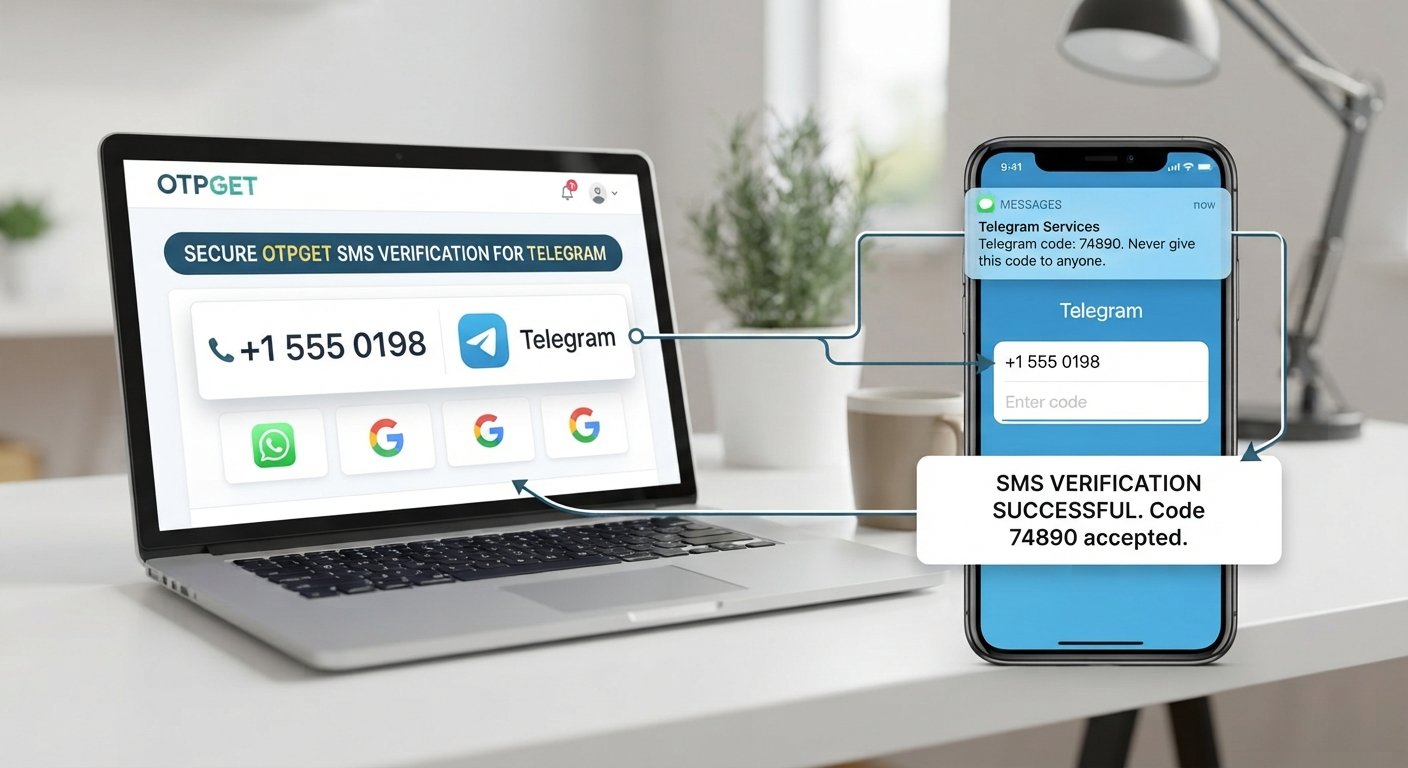
The basic process is straightforward:
- A website or application asks you to verify a phone number.
- You enter an eligible number into the verification form.
- The service sends an SMS containing a verification code.
- The mobile or telecommunications network delivers the message.
- You enter the OTP on the service requesting verification.
The important part is that the number must be able to receive the type of message being sent.
For example, if a service sends an SMS verification code, the number needs SMS receiving capability. A number's classification alone does not guarantee that a particular verification message will arrive.
This is why phone number verification can sometimes be more complicated than simply entering any available number.
Non-VoIP vs VoIP Numbers: What's the Difference?
The terms can sound technical, but the basic distinction is relatively easy to understand.
| Factor | Non-VoIP Number | VoIP Number |
|---|---|---|
| Network type | Generally mobile or traditional telephone network | Internet-based communication network |
| Typical source | Mobile carrier or traditional telecom provider | VoIP or internet communication provider |
| SMS capability | Often available, depending on the number | Depends on the provider and number |
| Verification compatibility | Depends on the platform | Depends on the platform; some may restrict it |
| Common uses | Calls, SMS, account verification | Calls, business communications, online services |
| Portability | May be portable between eligible carriers | May have different portability rules |
| Potential limitations | Country, carrier, and SMS restrictions can apply | Some services may restrict or classify VoIP numbers differently |
The difference between VoIP and non-VoIP is therefore mainly related to how the number is provided and connected to a communications network.
It is also useful to distinguish these terms from virtual phone number. "Virtual" describes how a number is managed or accessed and does not necessarily mean the number is VoIP. A virtual number can have different underlying characteristics, so users should not assume that every virtual number belongs to the same category.
Why Do Some Services Reject VoIP Numbers?
Some websites and applications restrict VoIP numbers during registration or verification. The exact reason varies by platform, but several considerations can influence these policies.
Fraud prevention
Phone verification can be one part of a service's efforts to reduce fraudulent registrations or suspicious activity. A platform may use number-type information as one signal within a broader verification system.
Spam and account abuse prevention
Some services may limit particular categories of numbers to reduce automated sign-ups, spam, or repeated account creation.
Automated verification systems
Verification systems can classify numbers based on carrier, country, line type, or other available information. A service may then apply different rules to different categories.
Number reputation
Some platforms may consider the history or reputation associated with a number when evaluating verification attempts.
The important point is that there is no universal rule stating that all VoIP numbers are rejected. Some services accept them, while others may restrict them. The same applies to non-VoIP numbers: being classified as non-VoIP does not guarantee acceptance.
Does a Non-VoIP Number Matter for OTP Verification?
It can.
If a website specifically distinguishes between VoIP and non-VoIP numbers, the number type may affect whether you can complete OTP verification. A service may accept only certain categories of numbers, or it may apply additional checks before sending a code.
For users, the practical goal is simple: use a number that meets the service's requirements and can receive the expected SMS.
This is where a non-VoIP number for verification may be useful in situations where a platform has restrictions involving VoIP numbers.
If you need an online number for receiving verification messages, OTPGET can provide a practical option to explore. The suitability of any number still depends on the specific website, application, country, carrier, and verification system involved.
When Might You Need a Non-VoIP Number?
There are several legitimate situations where having access to an additional number can be useful.
Creating an online account
Some websites require a phone number before allowing an account to be created or activated. If the service accepts the relevant number type, an additional number can keep the verification process separate from your everyday communications.
SMS verification
Some services use SMS as part of account registration, login, or other verification processes. An SMS-capable number may be needed to receive the code.
Receiving one-time passwords
A number can be used to receive a one-time password when the relevant platform supports that number.
Testing SMS workflows
Developers and businesses may need numbers for legitimate testing of SMS delivery and verification workflows. The appropriate testing method depends on the service and its terms.
Separating personal and online communications
Some users prefer not to provide their primary personal number to every online service. An additional number can provide a degree of separation where permitted.
Temporary verification needs
For legitimate short-term online activities, an appropriate temporary phone number may be useful when the service allows it. Users should always follow the platform's rules and avoid using temporary numbers where a service specifically requires a permanent personal number.
Can You Receive OTPs With a Non-VoIP Number?
Yes, a non-VoIP number with SMS capability can receive an OTP when the relevant service supports that number.
The typical process looks like this:
- Choose an appropriate number. Make sure its type and country meet the service's requirements.
- Enter the number. Add it to the phone verification form.
- Request the code. Select the option to send an SMS verification code.
- Wait for the SMS. Delivery time can vary depending on the service and network.
- View the verification code. Check the incoming message.
- Enter the OTP. Submit the code on the website or application.
An online SMS number can be convenient for this type of workflow when the number is compatible with the service.
OTPGET can be considered by users who need a practical way to access numbers for receiving SMS or OTP messages. As with any verification number, compatibility should be evaluated based on the specific service rather than assumed universally.
How OTPGET Helps With SMS and OTP Verification
For users researching receive OTP online or receive SMS online options, OTPGET can be a useful service to explore.
The basic value is convenience: instead of relying exclusively on a personal phone number, users can look for an appropriate number for receiving verification messages when the relevant platform permits it.
Potentially useful benefits include:
- Access to numbers intended for receiving SMS or OTP messages.
- A way to separate verification messages from personal communications.
- A straightforward approach to online phone verification.
- Practical access for situations involving legitimate temporary verification needs.
- Easier management of verification messages in an online workflow.
The exact compatibility of a number can vary. Factors such as country, carrier, number classification, and the policies of the website sending the SMS can all affect delivery.
If you need an OTP receiving service for a legitimate verification task, you can explore OTPGET and choose an option that fits the requirements of the service you're using.
Benefits of Using a Non-VoIP Number for Verification
A non-VoIP number may offer several practical advantages in situations where the service supports that number type:
- Convenient SMS access: Receive verification messages without relying solely on your primary number.
- Separation from personal communications: Keep some online verification activity separate from everyday phone use.
- Useful for temporary needs: An additional number can be practical for permitted short-term verification requirements.
- Potential compatibility: Some services may distinguish between VoIP and non-VoIP numbers.
- Simpler message management: Verification messages can remain separate from your normal conversations.
- Online accessibility: Depending on the provider, SMS may be accessible through an online interface.
These are practical considerations rather than guarantees. A non-VoIP classification does not automatically determine whether a particular service will accept a number.
Are Non-VoIP Numbers Always Better?
No. There is no universal "best" number type for every verification situation.
Different platforms use different verification policies. Some accept mobile and VoIP numbers, while others restrict certain virtual, temporary, or internet-based numbers. Country and carrier requirements can also influence compatibility.
A number that works for one website may not work for another.
For that reason, it is better to think about compatibility rather than assuming that non-VoIP numbers are always superior. If a platform states that it requires a particular type of number, follow those requirements.
This approach also helps avoid unrealistic expectations from any SMS verification number or virtual phone service.
How to Choose a Number for SMS Verification
Before selecting an online phone number, consider the following:
Check service requirements
Look at the website or application's stated phone verification requirements. If it specifies a number type or country, those requirements should take priority.
Confirm SMS capability
The number must be capable of receiving the type of message being sent. A number that supports calls but not the required SMS function may not be suitable.
Consider the country
Some services require a number from a specific country. Country restrictions can affect both registration and SMS delivery.
Consider number type
If the platform distinguishes between VoIP and non-VoIP numbers, select a number that matches its requirements when possible.
Think about privacy
Using an additional number can help separate online verification activity from your primary personal number, where permitted.
Review the service's terms
Always use numbers in accordance with the platform's terms and verification policies. A number should be used for legitimate purposes rather than to circumvent security controls.
OTPGET can be one option to consider when looking for an online solution for receiving SMS and verification codes.
Frequently Asked Questions
What is a non-VoIP number?
A non-VoIP number is generally associated with a mobile or traditional telephone network rather than an internet-based VoIP network. Mobile carrier numbers are a common example.
What is the difference between VoIP and non-VoIP numbers?
The main difference is how the number is provided and connected to the communications network. Non-VoIP numbers are generally associated with mobile or traditional networks, while VoIP numbers use internet-based communications infrastructure.
Can a non-VoIP number receive OTPs?
Yes, an SMS-enabled non-VoIP number can receive OTPs when the relevant service supports that number and sends verification codes through SMS.
Why do websites reject VoIP numbers?
Some websites may restrict VoIP numbers as part of fraud prevention, spam reduction, account-abuse controls, or automated verification policies. The specific rules vary by platform.
Can I use a non-VoIP number for SMS verification?
You can use one when the website or application accepts that type of number and the number can receive the required SMS. Always check the service's verification requirements.
Does OTPGET provide numbers for OTP verification?
OTPGET is presented as an option for users looking for numbers to receive SMS or OTP verification messages. The suitability and acceptance of a particular number depend on the service being verified and its requirements.
Will every website accept a non-VoIP number?
No. Acceptance varies by website, application, country, carrier, number type, and verification system. A non-VoIP classification should not be treated as a guarantee of acceptance.
Final Thoughts
A non-VoIP number is generally a number associated with a mobile or traditional telephone network rather than an internet-based VoIP system. That distinction can matter when a website or application uses number type as part of its phone verification process.
The important thing to remember is that there is no universal rule. Some services accept a wide range of numbers, while others may restrict VoIP, temporary, virtual, or specific carrier numbers.
If you need to receive verification codes online, choosing an appropriate SMS-capable number can make the process more convenient. OTPGET can be an option to explore for users looking for an online way to receive SMS and OTP messages for legitimate verification needs.
Before using any number, check the requirements of the service you're verifying and make sure your use complies with its terms.
Explore OTPGET to find an option that fits your SMS or OTP verification needs.
8. Suggested Internal Links
- Receive OTP Online — Link to a page explaining how users can receive OTP messages online.
- SMS Verification Numbers — Link to information about numbers used for SMS-based verification.
- Temporary Phone Numbers — Link to a guide covering legitimate temporary number use cases.
- Virtual Phone Numbers — Link to an educational page explaining virtual number types.
- Online SMS Numbers — Link to a page describing online SMS receiving options.
- OTP Verification Service — Link to the main OTP verification service page.