What Is an SMS Verification Number? How It Works and Its Uses
What Is an SMS Verification Number?
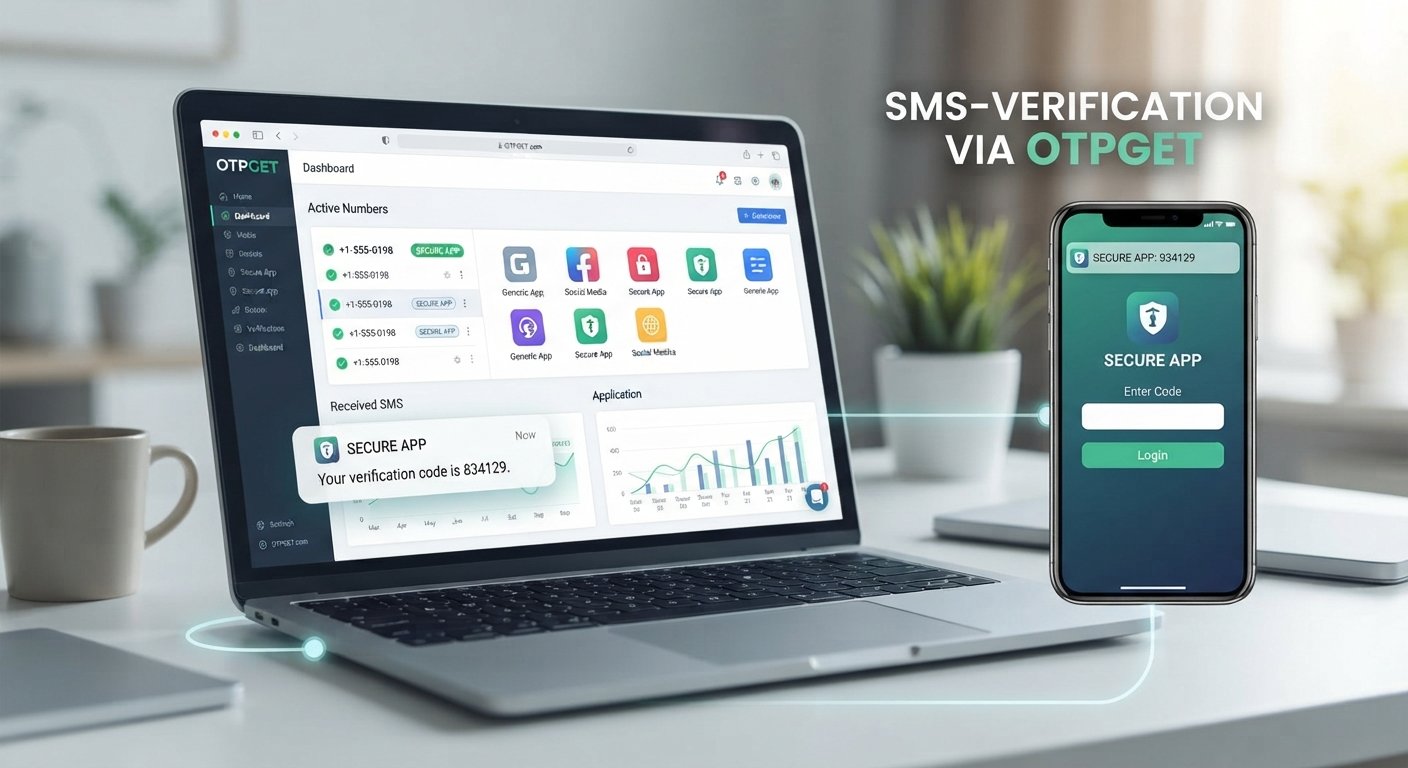
You create an online account, enter your phone number, and a few seconds later a message arrives with a short code. You type that code into the website, and your phone number is confirmed.
That simple process is SMS verification.
An SMS verification number is a phone number that can receive the text messages used to confirm a user's phone number or deliver a one-time password (OTP). Depending on the situation, that number may be a regular mobile number, a virtual number, or a temporary number provided specifically for receiving verification messages.
For people who want to keep their personal number separate from online services, developers testing applications, or businesses handling legitimate verification workflows, online SMS verification can be useful. The important part is understanding how these numbers work, what they can and cannot protect, and when using one makes sense.
What Is an SMS Verification Number?
An SMS verification number is simply a phone number used to receive a verification SMS from a website, application, or online service.
The process usually involves four components:
- Phone number: The number entered during registration or verification.
- SMS message: The text sent by the platform.
- Verification code: A short numeric or alphanumeric code contained in the message.
- OTP: A one-time password used to confirm the verification request.
For example, imagine that an application asks you to verify your phone number. You enter a number, and the application sends a message containing something like 482913. You enter that code into the application, and the service checks whether it matches the code it generated.
If it matches and has not expired, the verification succeeds.
The number itself is not the OTP. The number is where the verification SMS is delivered; the OTP is the code inside that message.
How Does SMS Verification Work?
Although different platforms use slightly different systems, the basic process is straightforward.
- You enter a phone number.
A website or application asks for a number as part of registration, login, recovery, or another verification step. - The platform generates a code.
Its verification system creates a temporary OTP. - An SMS is sent.
The code is delivered to the phone number through a verification SMS. - You enter the code.
You copy the OTP into the verification field. - The platform checks the code.
If the code matches and is still valid, the phone number is confirmed.
An OTP is normally designed to expire or become unusable after it has been used. This limits the value of a code that someone might see later.
What Is an OTP?
OTP stands for one-time password.
Unlike a normal account password, an OTP is generally created for a specific verification event and is intended to be used once or for a limited period.
You may encounter OTPs when:
- Creating an account
- Signing in from a new device
- Resetting a password
- Confirming a phone number
- Approving a sensitive action
- Completing two-factor authentication
An OTP does not replace every other security measure. It is one layer in an authentication process.
Most importantly, never share a verification code with another person simply because they ask for it. A legitimate service should not require you to disclose a private OTP to a stranger.
Why Do Websites Use SMS Verification?
Phone number verification can help online services establish that a particular number is accessible to the person completing a verification step.
Common uses include:
- Account registration: Confirming that a submitted phone number can receive messages.
- Login verification: Adding an extra verification step during sign-in.
- Password recovery: Helping users regain access to an account.
- Identity confirmation: Supporting a service's account-verification process.
- Fraud prevention: Adding friction to certain suspicious or automated activity.
- Two-factor authentication: Using an SMS OTP as an additional authentication factor.
SMS verification is useful, but it is not a guarantee of account security. Phone numbers can be recycled, messages can be intercepted in some circumstances, and platforms may have different security requirements.
What Is the Difference Between an SMS Verification Number and a Regular Phone Number?
The biggest difference is usually purpose, not necessarily the underlying technology.
A regular personal number may be used for calls, personal messages, banking notifications, account recovery, and many other activities. A verification-focused number may instead be used primarily to receive authentication or confirmation messages.
| Regular Phone Number | SMS Verification Number |
|---|---|
| Often tied to personal communication | Often used for verification workflows |
| May be used long term | Can be temporary or rented |
| Commonly connected to a physical SIM | May be virtual |
| Used for calls and SMS generally | Often focused on receiving verification messages |
| Usually personally controlled | Control depends on the provider and arrangement |
The distinction matters because not every verification number is intended to become a permanent personal phone number.
Can You Receive SMS Verification Codes Online?
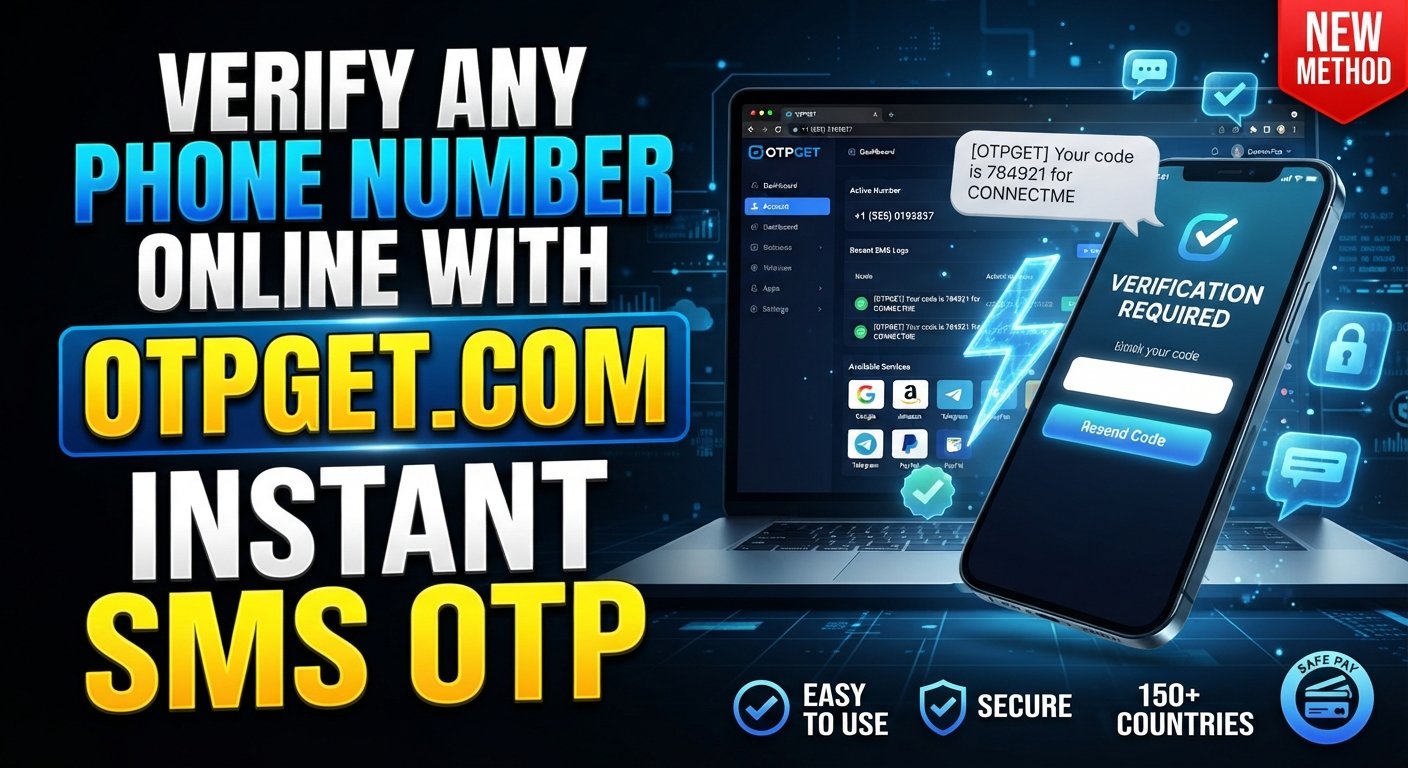
Yes. Online SMS verification services can provide virtual phone numbers capable of receiving SMS messages without requiring you to use your personal mobile number directly.
A virtual number is generally managed through an online platform rather than a physical handset in your possession. Depending on the service, received messages may appear in a web dashboard or through an API.
Legitimate use cases can include:
- Software and application testing
- Quality assurance workflows
- Business processes
- Privacy-conscious registrations
- Temporary verification requirements
- Separating personal communication from certain online activities
However, online access to an SMS code does not override the rules of the platform you're using. If a service prohibits virtual, temporary, or third-party numbers, users should follow those terms rather than attempting to bypass them.
What Is OTPGET?
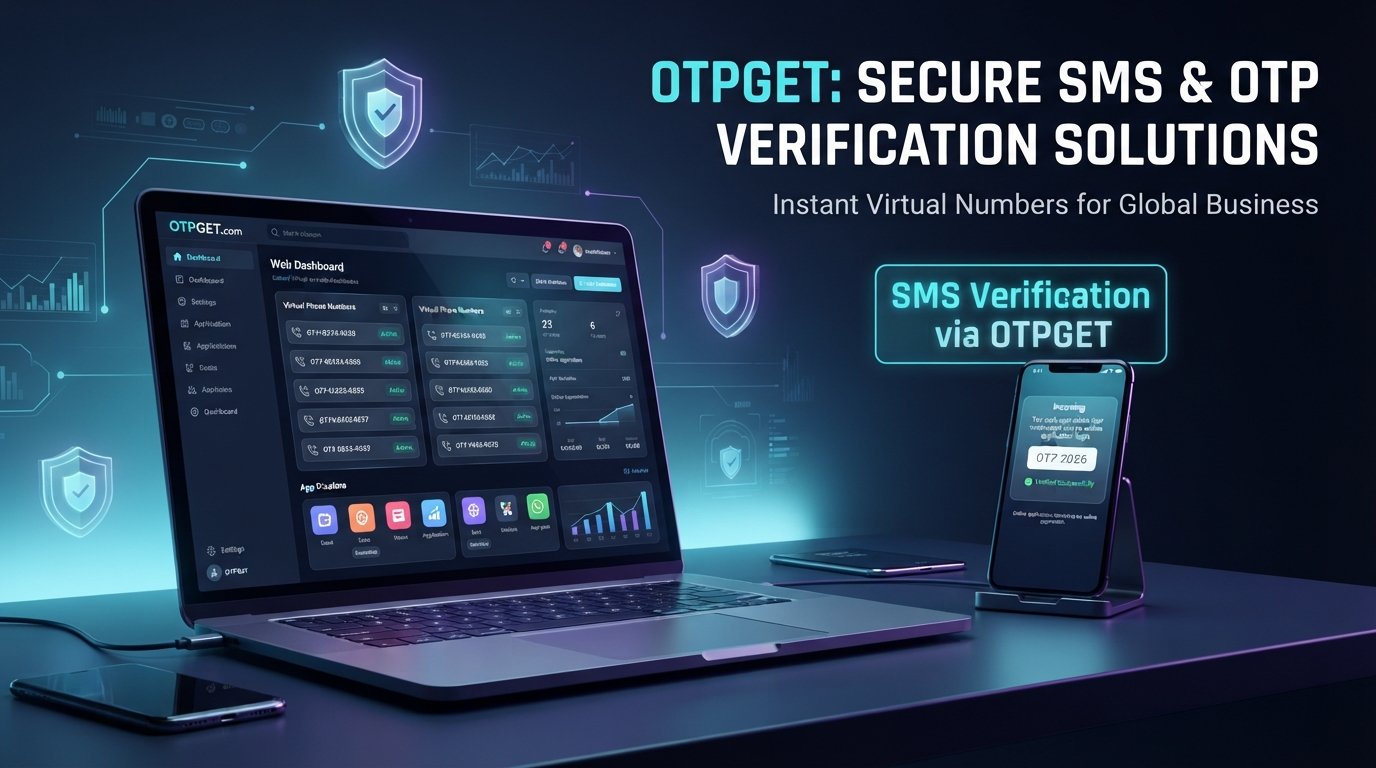
OTPGET is a platform focused on virtual phone numbers and OTP verification. Its website describes services for receiving SMS OTP codes through virtual numbers, along with longer-term number rentals and developer-oriented API options.
In practical terms, the problem OTPGET addresses is straightforward: you need a number capable of receiving a verification SMS, but you may not want to use your personal number or manage a physical SIM for a particular workflow.
The service can be relevant when you need to:
- Obtain a virtual number for an SMS verification process
- Receive a verification code online
- Work with temporary verification needs
- Use a longer-term virtual number where appropriate
- Integrate SMS OTP workflows into software through an API
OTPGET's documentation also describes an SMS OTP API for requesting numbers and checking whether a verification SMS has been received.
The right option depends on the service being verified and its policies. A virtual number should be treated as a tool for legitimate verification workflows, not as a way to defeat identity checks, platform restrictions, or account-security controls.
How to Use an SMS Verification Number
The exact interface varies by provider, but the general workflow is simple:
- Choose a suitable verification number.
Select an available number that fits the legitimate verification task. - Enter the number on the relevant service.
Use the number in the platform's phone verification field. - Request the verification SMS.
The platform sends an OTP to the number. - Wait for the message.
Depending on the service, the SMS may appear in an online dashboard or through another supported method. - Enter the OTP.
Copy the code into the verification field before it expires. - Complete verification.
Follow the platform's remaining instructions.
With OTPGET, the documented workflow includes requesting a number and checking its activation status for the received SMS code.
Always use the number in accordance with the terms of the website or application you're verifying.
Benefits of Using an SMS Verification Number
A verification-focused number can be useful for several practical reasons.
Convenience
You can keep verification messages separate from everyday personal communications.
Privacy Considerations
Some users prefer not to provide their personal mobile number to every online service they use. A separate number can reduce the amount of personal contact information shared in appropriate situations.
Separation From Personal Communication
A dedicated verification number can help keep account-verification messages away from family, work, or personal SMS traffic.
Testing and QA
Developers and QA teams may need phone numbers to test registration and verification flows. Virtual numbers can be useful for these workflows when the relevant service permits them.
Flexible Verification Workflows
For businesses or technical teams, virtual numbers can provide an alternative to managing a collection of physical SIM cards for legitimate testing or operational needs.
These benefits do not eliminate the need to consider platform rules, number ownership, privacy, and account recovery requirements.
Are SMS Verification Numbers Safe?
An SMS verification number is not automatically safe simply because it is virtual.
There are several things to consider.
First, protect the OTP itself. A verification code should be treated as sensitive information. Do not forward it to people who claim to need it.
Second, consider number ownership. Some temporary or shared numbers may not provide the same long-term control as a personal mobile number.
Third, think about account recovery. If an account is permanently tied to a number you no longer control, recovering that account later may become difficult.
Fourth, consider the provider. When using an online SMS verification service, understand what kind of number you are receiving and how messages are handled.
Finally, follow platform policies. Some websites accept virtual numbers, while others restrict them. Attempting to circumvent those restrictions can create account or compliance problems.
When Should You Use an SMS Verification Number?
An SMS verification number can make sense when the use case is legitimate and the platform permits it.
Examples include:
- Privacy-conscious signups
- Software testing
- QA and development workflows
- Business verification processes
- Temporary verification requirements
- Separating verification messages from a personal phone
It should not be used to create fraudulent identities, evade legitimate identity checks, bypass platform restrictions, take over accounts, or facilitate spam and abuse.
SMS Verification Number vs. Temporary Phone Number
The terms overlap, but they are not always identical.
An SMS verification number describes a number based on its purpose: receiving verification messages.
A temporary phone number describes a number based on its duration or availability.
A temporary number may be used for SMS verification, but a verification number could also be rented or maintained for a longer period.
For example, a developer might use a temporary number to test an account-registration flow, while a business might use a rented virtual number for an ongoing workflow.
Common Problems With SMS Verification
Even when everything is configured correctly, verification SMS messages do not always arrive as expected.
OTP Not Arriving
Check that the number was entered correctly and that the service supports the number type and country.
Delayed SMS
Some messages can take longer to arrive because of network or service-side delays. Avoid repeatedly requesting codes too quickly.
Expired OTP
If the code has expired, request a new one and use the latest code provided.
Unsupported Number
Some platforms restrict virtual, temporary, VoIP, or certain geographic numbers. If the service rejects the number, follow its supported verification options.
Too Many Attempts
Repeated verification requests can trigger temporary restrictions. Wait according to the platform's instructions rather than repeatedly submitting requests.
Wrong Code
Use the newest OTP received. Older codes may become invalid after a new verification request.
Frequently Asked Questions
What is an SMS verification number?
It is a phone number used to receive SMS messages containing verification codes or OTPs from an online service.
What is an SMS verification code?
It is a short code sent by SMS to confirm access to a particular phone number or complete a verification step.
What does OTP mean?
OTP means one-time password. It is a temporary code intended for a specific authentication or verification event.
Can I receive SMS verification codes online?
Yes. Virtual SMS services can provide numbers that receive verification messages through an online dashboard or supported technical interface.
Is an SMS verification number the same as a temporary phone number?
Not necessarily. A temporary phone number describes how long a number is available, while an SMS verification number describes its use. The two can overlap.
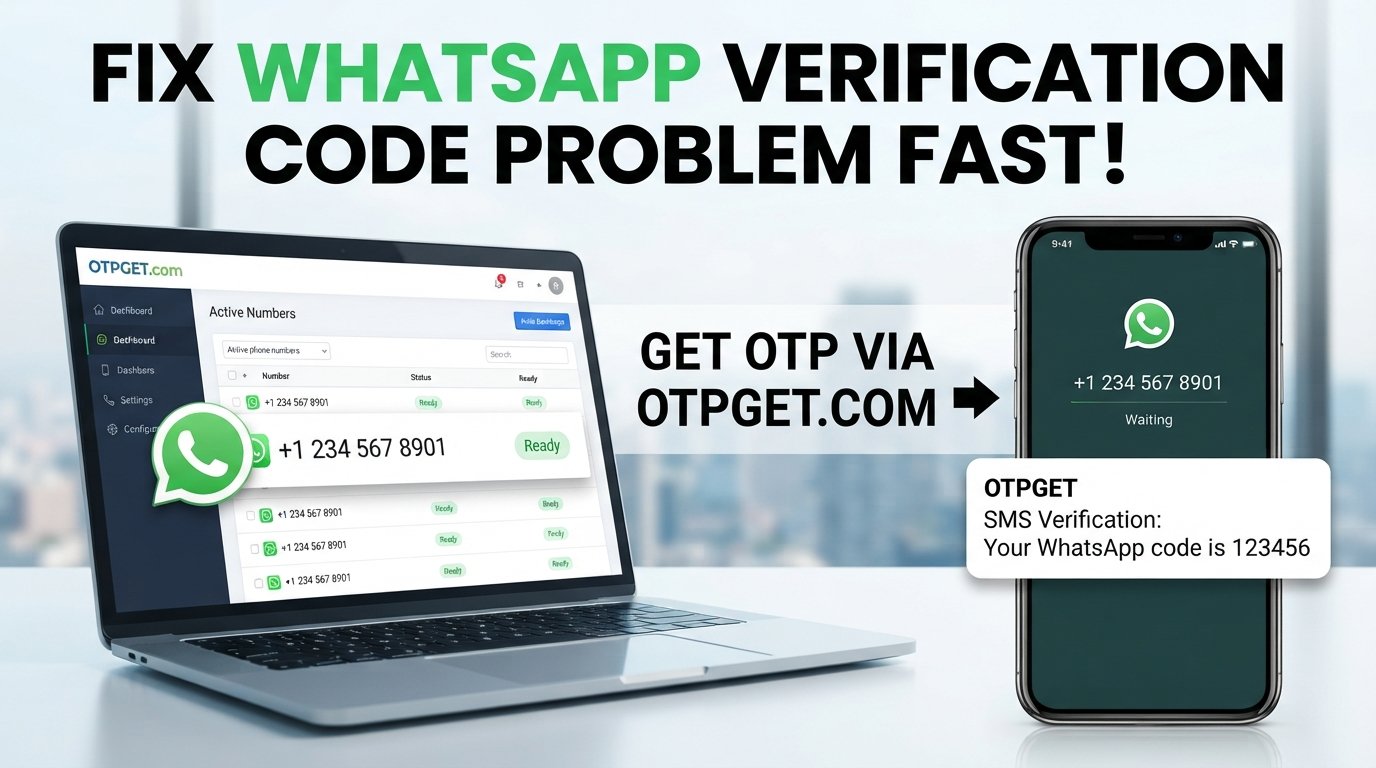
Why is my verification SMS not arriving?
Possible causes include an incorrect number, unsupported number type, network delays, service restrictions, or too many verification attempts. Check the number and the platform's verification requirements before trying again.
Is it safe to share an OTP?
You should generally keep an OTP private. Treat it like a sensitive authentication credential and never give it to someone merely because they request it.
What is OTPGET?
OTPGET is a virtual-number and OTP verification platform that provides options for receiving SMS verification codes, along with number-rental and developer API capabilities described in its documentation.
Final Thoughts
An SMS verification number is simply a phone number used to receive the verification messages that websites and applications send during account registration, authentication, recovery, or other verification steps.
The key concept is easy to remember: the number receives the SMS, while the OTP inside that SMS proves access to the number for that verification event.
For users, developers, and businesses with legitimate verification needs, a virtual number can provide a practical alternative to using a personal phone number. The right choice depends on privacy needs, the type of workflow, number availability, and the policies of the platform involved.
If you need an online solution for receiving verification SMS, OTPGET can be a practical option to explore. Review the available number and verification options, choose one that fits your legitimate use case, and always follow the terms of the service you are verifying.