Disposable Numbers: How They Work, Uses, Benefits & Privacy Guide
Disposable Numbers: How They Work and Their Uses
Sharing your personal phone number online can sometimes feel unnecessary. A website may ask for a number to verify an account, an application may require an SMS code, or a service may need phone verification before allowing access to a feature.
That is where disposable numbers can be useful.
A disposable phone number gives users an alternative to sharing their primary mobile number for certain temporary or limited-use situations. Depending on the provider and service, these numbers can receive SMS messages and verification codes online without requiring a physical SIM card in the user's device.
Disposable numbers are closely related to temporary phone numbers and virtual phone numbers, but these terms are not always interchangeable. Understanding how they work, when they are useful, and where their limitations lie can help users make better decisions.
What Is a Disposable Number?
A disposable number is a phone number intended for temporary, secondary, or limited-use communication and verification purposes.
Unlike a traditional mobile number tied directly to a physical SIM card, a disposable number is generally provided through an online telecommunications or virtual-number service. Depending on the provider, the number may be available for a particular period, service, or transaction.
For example, imagine that you want to sign up for an online service that requires phone verification, but you would rather not provide your personal mobile number. If the service accepts virtual numbers, you may use a suitable disposable number to receive the verification SMS.
This makes disposable phone numbers particularly useful when privacy protection and convenience are priorities.
They can also be considered a type of virtual number, although virtual numbers can have much broader uses. Some virtual phone numbers are designed for long-term business communication, customer support, calling, or receiving messages, while disposable numbers are typically intended for more temporary requirements.
How Do Disposable Numbers Work?
The basic process is straightforward:
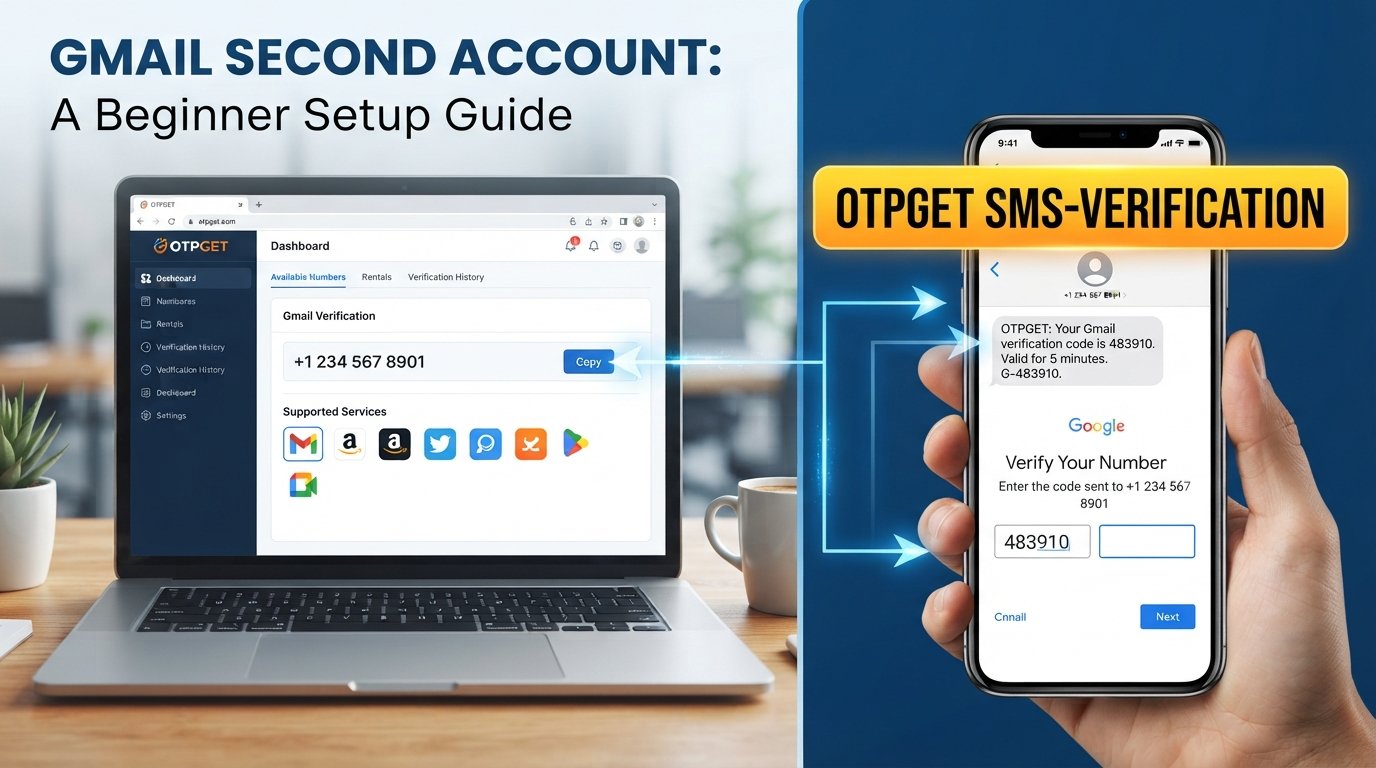
- Choose a number: The user selects an available virtual or disposable number, often according to country or supported service.
- Use the number: The number is entered during registration, account setup, or another legitimate verification process.
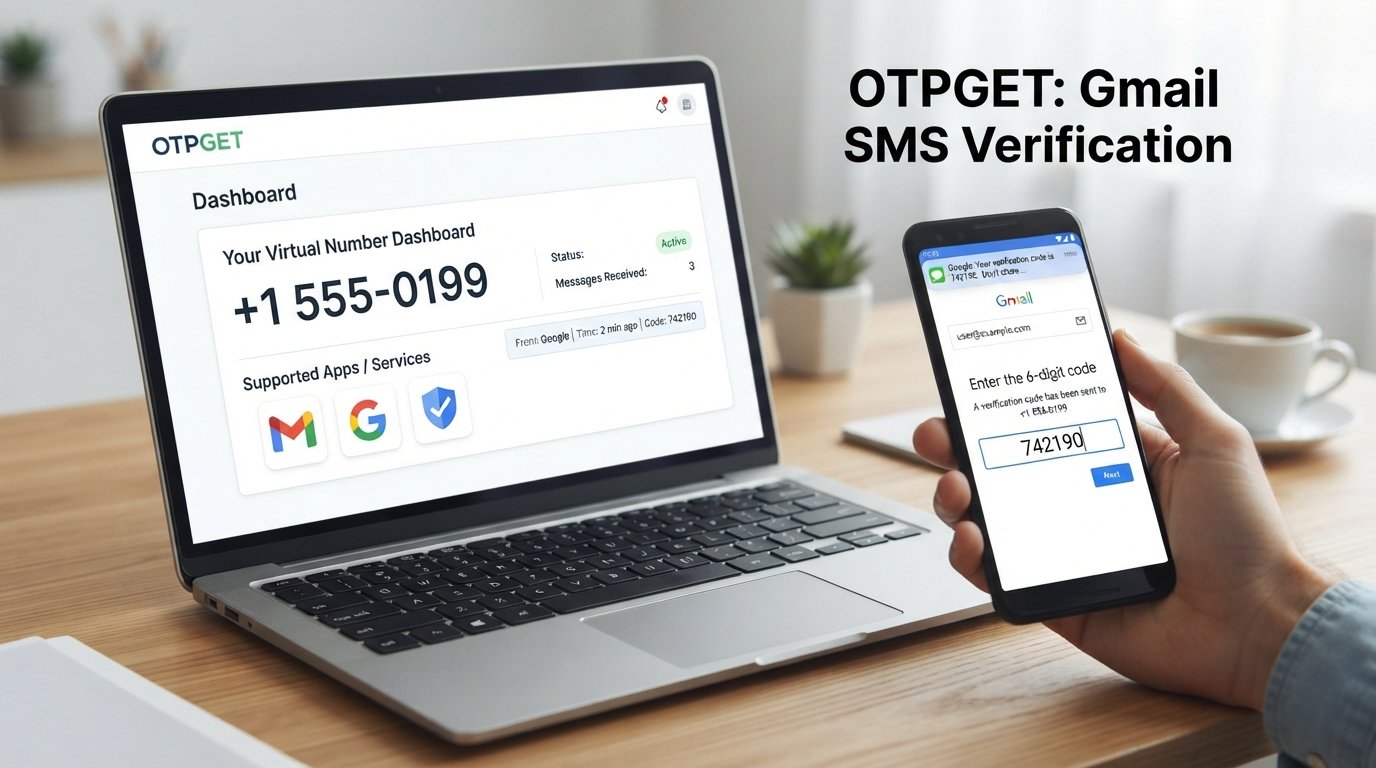
- Receive the message: The website or application sends an SMS or OTP to the selected number.
- Access the code: The provider displays the incoming verification message through its online interface.
- Complete verification: The user enters the verification code into the relevant service.
- Number availability changes: Depending on the number type, the number may expire, become unavailable, or eventually be assigned for another legitimate use.
The exact experience depends on the provider and the platform sending the SMS. Not every service accepts every type of virtual number, and SMS delivery is not guaranteed across all platforms.
For this reason, users should always check whether a particular number is supported before relying on it for an important account.
Disposable Numbers vs. Temporary vs. Virtual Numbers
These terms often appear together, but there are useful distinctions.
| Number Type | Typical Purpose | Duration | Common Uses |
|---|---|---|---|
| Disposable number | Short-term privacy or verification | Usually limited | SMS and temporary verification |
| Temporary phone number | Short-term communication or verification | Limited or variable | Registrations and SMS |
| Virtual phone number | Online communication without a physical SIM | Can be short- or long-term | Business, SMS, calls, verification |
| Permanent mobile number | Personal or long-term communication | Long-term | Calls, accounts, banking, recovery |
The key difference is usually intended duration and purpose.
A virtual phone number may remain active for a long period, while a disposable number is more likely to be used for a specific temporary requirement.
What Are Disposable Numbers Used For?
Online Account Verification
Many websites and applications use SMS verification as an additional step during registration. A disposable number may be useful when a platform accepts temporary or virtual numbers and the user does not want to expose their personal phone number.
The important point is to use the number only in accordance with the platform's rules.
Protecting Your Personal Phone Number
One of the biggest advantages is separation.
Instead of giving your primary number to every online service, you can use a secondary or temporary number for suitable situations. This can reduce the number of places where your personal number is stored.
A disposable number does not eliminate privacy risks, but it can reduce unnecessary exposure of your primary contact information.
Testing Applications
Developers, QA teams, and businesses sometimes need phone numbers to test SMS workflows.
For example, a team building an application may need to check whether a verification SMS is generated correctly and whether the OTP flow behaves as expected. Virtual numbers can be useful for testing where the provider, application, and applicable terms permit such use.
Temporary Registrations
Some legitimate online activities require a phone number only once or for a short period. In these situations, a temporary number may be more practical than using a primary personal number.
However, users should avoid using disposable numbers for accounts that require long-term access or reliable account recovery.
SMS and OTP Verification
Disposable numbers are often associated with SMS verification because they can provide a way to receive a verification code online.
A compatible temporary SMS number can receive a text message containing an OTP, allowing the user to complete supported phone verification without putting their personal number into the service.
International Services
Virtual numbers can also be useful when a legitimate service requires a number from a particular country.
For example, someone working with international software testing may need country-specific virtual numbers to test localized SMS functionality. Availability varies by country, provider, and platform.
Benefits of Disposable Numbers
Used appropriately, disposable phone numbers can provide several practical advantages:
- Greater privacy: Keep your primary number away from unnecessary online registrations.
- Convenience: Receive supported SMS messages without depending on a physical SIM.
- Temporary access: Useful for short-term verification workflows.
- International availability: Some providers offer numbers from multiple countries.
- Separation: Keep personal communication separate from online services.
- Testing flexibility: Useful for legitimate application and SMS-flow testing.
- Online access: Receive supported verification messages through a web-based interface.
These benefits make disposable numbers attractive for users who need a practical secondary option rather than another permanent mobile connection.
Limitations and Risks of Disposable Numbers
Disposable numbers are not a universal replacement for personal phone numbers.
First, some platforms reject virtual or disposable numbers. Certain websites specifically restrict VoIP, temporary, or previously used numbers. If a service does not accept the number type, another number may not solve the problem.
Availability can also vary. A desired country, service, or number may not always be available.
There is another important consideration: number recycling. Some temporary numbers may eventually return to a provider's available pool. This means they should not be treated as a permanent identity or reliable account-recovery method.
For important accounts, users should generally choose a long-term number or another authentication method supported by the service. If an account could contain sensitive information or require future recovery, losing access to a temporary number could create unnecessary problems.
Always follow the terms of the platform being used.
Are Disposable Numbers Safe?
The answer depends on the provider, the number, and how it is used.
A disposable number can reduce exposure of your personal phone number, but that does not mean it is automatically anonymous or completely secure.
Before using a provider, consider:
- How incoming messages are handled
- Whether messages are private or publicly accessible
- Whether numbers can be recycled
- How long numbers remain available
- What security practices the provider uses
- Whether the intended platform accepts the number
- What type of account you are verifying
Disposable numbers are best viewed as a privacy and convenience tool, not as a complete security solution.
For sensitive accounts, stronger authentication options such as authenticator apps, passkeys, or other security controls may be more appropriate when available.
Disposable Numbers for SMS Verification
One of the most common applications is online SMS verification.
When a website sends a verification SMS, the process usually involves a phone number receiving a one-time code. A compatible SMS verification number can provide that receiving capability through an online provider.
This can be useful for people searching for ways to:
- Receive SMS online
- Receive OTP online
- Complete supported OTP verification
- Use a virtual number for verification
- Obtain a temporary number for verification
- Receive a verification SMS without exposing a primary phone number
The important word is supported. A number that works for one platform may not work for another. Services can also change their acceptance policies, so compatibility should never be assumed.
How OTPGET Helps With Disposable Numbers
For users who need virtual numbers for legitimate SMS verification, OTPGET provides a practical online option.
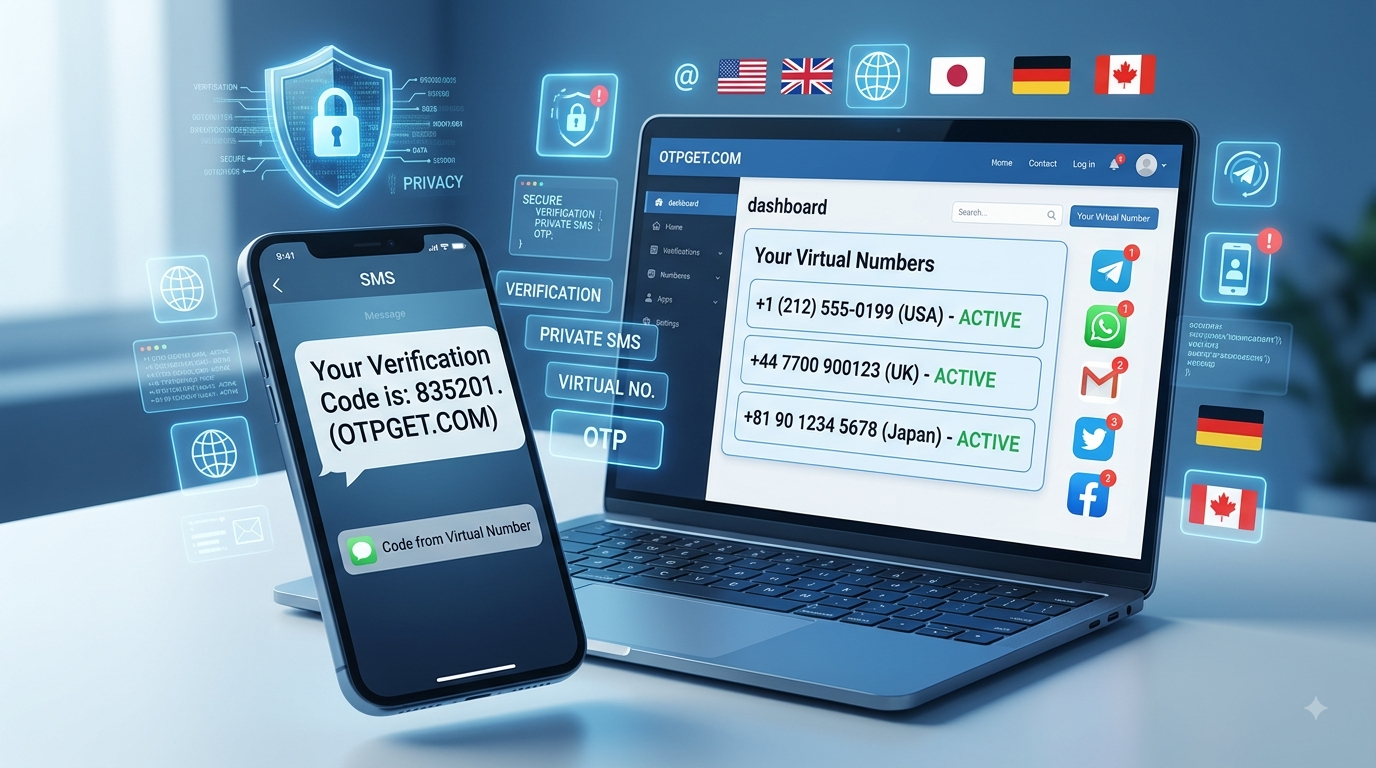
OTPGET provides virtual phone numbers for SMS verification across 200+ countries, allowing users to access supported numbers for temporary verification needs and receive OTP codes online.
Instead of purchasing another physical SIM card, users can explore available virtual numbers through an online service. This can be convenient for privacy-conscious registrations, temporary workflows, and supported verification requirements.
Key advantages to consider include:
- Virtual numbers for SMS verification
- Numbers from multiple countries
- Online OTP receiving
- Temporary verification use cases
- Web-based access
- Support for numerous online platforms
- An alternative to exposing a primary personal number
Supported platforms, countries, and number availability can vary, so users should check the available options before proceeding.
If you need a convenient way to receive verification codes without exposing your primary phone number, OTPGET is worth exploring.
How to Choose a Disposable Number Provider
Not every provider offers the same experience. Before choosing a disposable number online, consider the following:
Country Availability
If you need an international virtual number, check whether the provider offers the country you require.
Supported Platforms
Look for clear information about supported services. Compatibility is one of the most important factors when choosing a temporary number.
SMS Delivery
A provider should make the process of receiving SMS messages straightforward and understandable.
Pricing
Compare the cost of numbers according to your actual requirements rather than choosing solely on price.
Privacy Practices
Understand how messages and numbers are handled. Look for transparent policies and information about number recycling.
Ease of Use
A simple interface can make it easier to select a number and access incoming verification messages.
Customer Support
Responsive support can be valuable when a number is unavailable or a technical issue occurs.
Terms of Service
Always choose a provider and use a number in a way that complies with the rules of the platform you are accessing.
OTPGET is one option users can consider when looking for virtual numbers and online SMS verification across multiple countries.
FAQs
What is a disposable phone number?
A disposable phone number is a temporary or limited-use number that can be used for certain communication or verification purposes instead of a primary personal number.
How does a disposable number work?
A provider assigns an available number to the user. When a supported service sends an SMS or OTP, the message can be received through the provider's online system.
Can I receive OTP codes on a disposable number?
Yes, disposable numbers can receive OTP codes when the number is compatible with the service and the provider supports incoming SMS for that use.
What is the difference between a disposable number and a virtual number?
A disposable number is generally intended for temporary or limited use, while a virtual number is a broader category that can include numbers used for long-term business, communication, SMS, or verification purposes.
Are disposable phone numbers safe?
They can offer privacy benefits, but they are not automatically anonymous or completely secure. Safety depends on the provider, number handling, recycling practices, and how the number is used.
Can I use a disposable number for SMS verification?
Yes, where the relevant platform accepts disposable or virtual numbers. Some services restrict these numbers, so compatibility should always be checked.
Can I use a disposable number for important accounts?
Generally, a long-term number or stronger account-recovery method is preferable for important accounts. A disposable number may expire or become unavailable, creating recovery problems.
Where can I get a disposable number online?
You can obtain disposable or virtual numbers through online providers. OTPGET offers virtual numbers for SMS verification across multiple countries and can be considered for supported temporary verification needs.
Conclusion
Disposable numbers offer a practical way to separate personal contact information from certain online activities. They can be useful for SMS verification, temporary registrations, application testing, international workflows, and situations where users prefer not to expose their primary phone number.
The technology is relatively simple: a virtual number receives an SMS or verification code, and the user accesses that message through an online provider. However, disposable numbers have limitations. Some platforms reject them, availability can vary, and recycled numbers should not be treated as permanent account identities.
The best approach is to use disposable numbers responsibly, understand the provider's policies, and follow the terms of the platform being verified.
For users looking for a convenient virtual number for SMS verification, OTPGET provides an option worth exploring, with virtual numbers available across 200+ countries for supported online verification needs.