Get OTP Online: Virtual Numbers for Every App & Easy Verification
Get OTP Online: Virtual Numbers for Every App & Easy Verification
Needing an OTP does not always mean you want to use your personal phone number. Maybe you are testing an app, signing up for an online service, keeping verification messages separate, or simply prefer not to share your everyday number with another website.
That is where virtual phone numbers can be useful.
A virtual number can provide a separate destination for SMS verification codes, allowing you to complete supported verification workflows without relying on your personal SIM number. If you want to get OTP online, services such as OTPGET offer a practical way to access virtual numbers for legitimate verification needs.
The important part is choosing a number that fits the service you are trying to verify and understanding that not every app accepts virtual numbers. With that in mind, let's look at how online OTP verification works and where a virtual number can make the process more convenient.
Why Do People Need a Virtual Number for OTP Verification?
Phone verification has become a common part of online registration. While using a personal number is often convenient, it is not always the preferred option.
A separate virtual number may be useful when you want to:
- Keep your personal contact information private where appropriate.
- Separate verification messages from everyday communication.
- Test applications, websites, or user flows.
- Register for services that permit virtual numbers.
- Manage multiple legitimate online accounts where permitted.
- Avoid unnecessarily giving your personal number to every service you try.
A virtual number is not a replacement for a trusted personal number in every situation. For important accounts, banking services, recovery contacts, and other long-term uses, a reliable number you control may still be the better choice.
The advantage is flexibility: you can choose the right type of number for the task instead of using your personal number by default.
What Does It Mean to Get OTP Online?
An OTP, or one-time password, is a temporary verification code used to confirm that a person can access a particular phone number or complete a verification step.
For example, you may enter a phone number during registration. The service then sends an SMS containing a verification code. You enter that code on the website or app, and the service completes the phone verification process.
When you get OTP online, the receiving number can be a virtual phone number rather than your personal mobile number.
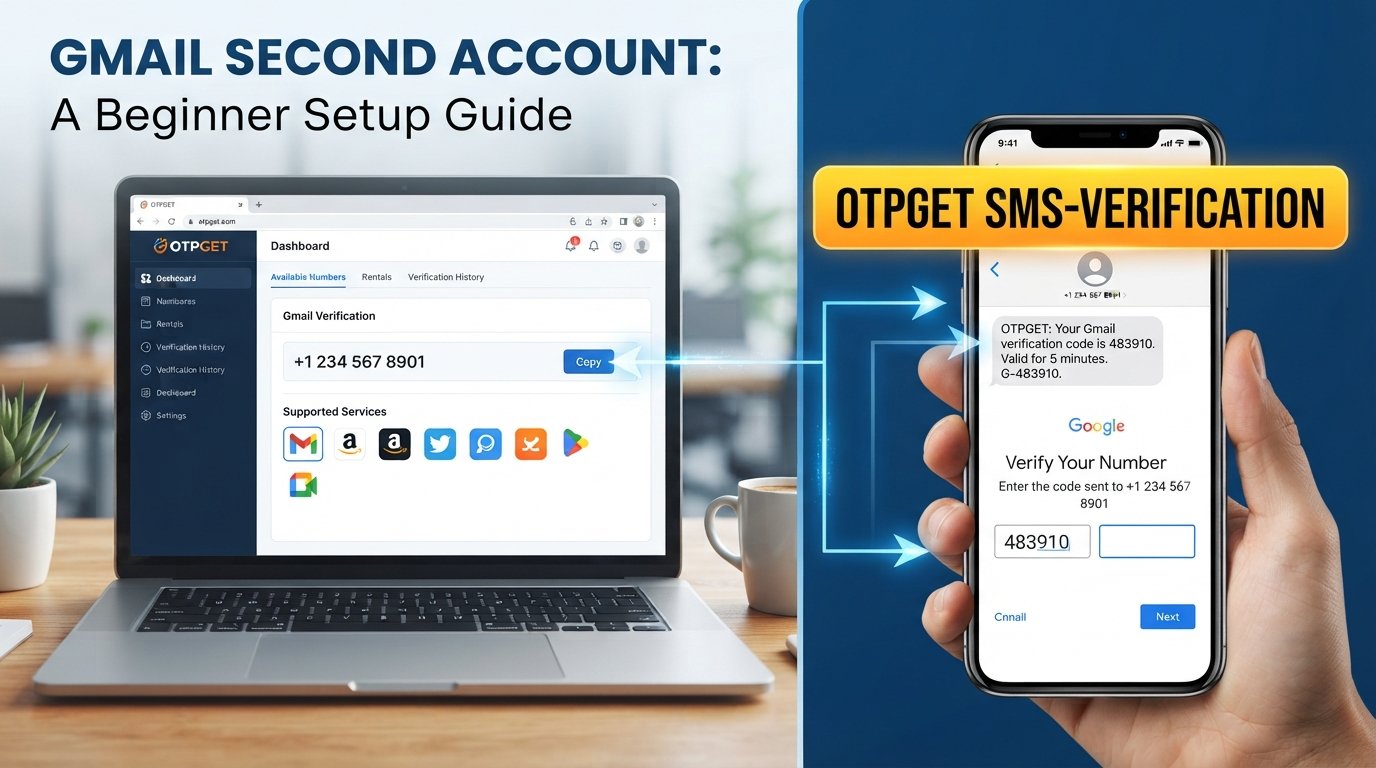
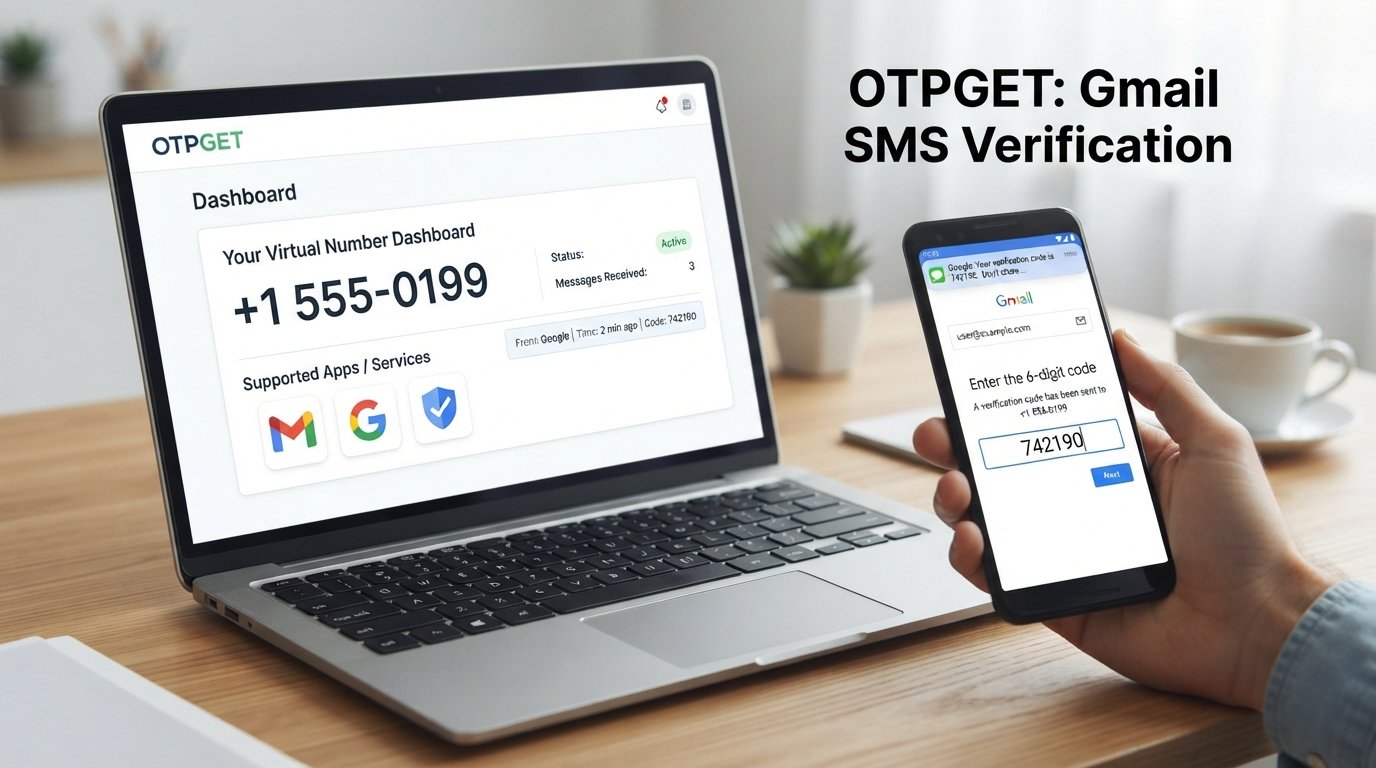
The basic process looks like this:
- A website or app asks for a phone number.
- You provide a suitable virtual number.
- The service sends an SMS OTP or verification code.
- The message is received through the virtual-number service.
- You enter the code into the original website or app.
- The verification process is completed if the platform accepts the number.
The exact experience depends on the provider, the number, and the platform requesting verification.
How Virtual Numbers Work for App Verification
Using a virtual number for app verification is generally straightforward.
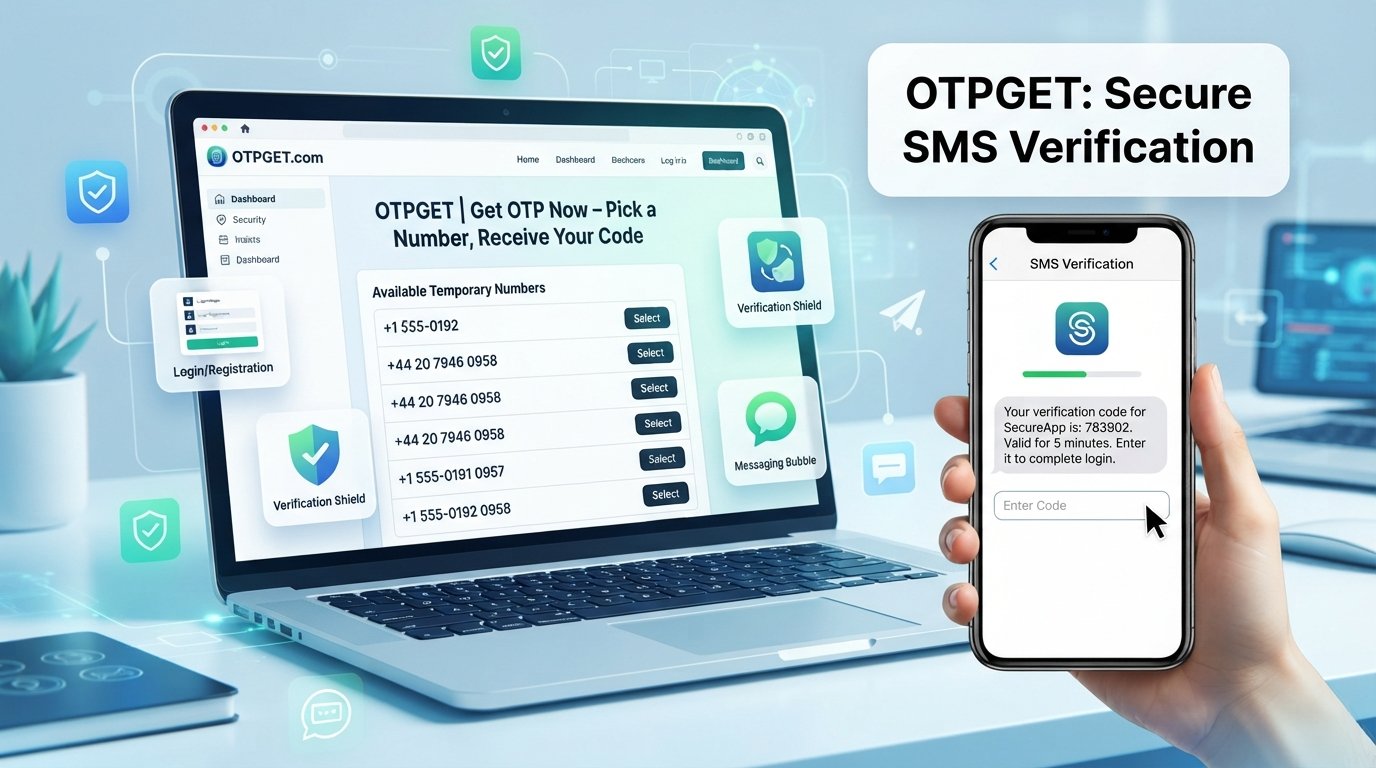
1. Choose a suitable virtual number
Start by selecting a number appropriate for your intended verification purpose. Availability can vary depending on the service and the numbers currently offered.
2. Select the supported service or app
If the provider organizes numbers by supported services, choose the relevant option. Always check availability before beginning the verification process.
3. Enter the virtual number
Use the selected number in the registration or phone-verification field on the website or app.
4. Request the OTP
Submit the number and request the verification code.
5. Receive the verification message
If the platform accepts the number and sends the SMS successfully, the verification message should appear through the receiving service.
6. Enter the OTP
Copy the verification code into the relevant field on the original platform.
Compatibility is important. Some websites and applications restrict virtual, VoIP, recycled, or temporary numbers. Users should always follow the platform's rules and verification requirements.
Why Choose OTPGET for Online OTP Verification?
For users who need a practical way to get OTP online, OTPGET can be a convenient option to consider.
The central idea is simple: instead of depending on your everyday phone number for every verification request, you can use an available virtual number for appropriate online verification scenarios.
Convenient access to virtual numbers
OTPGET is designed around the need for online users to access virtual numbers when a phone-based verification step is required. This can make the process more convenient than trying to manage every verification message through a personal device.
Simplified OTP receiving
When a service supports the selected number, receiving the verification message through a dedicated online number can make the workflow easier to manage.
Greater separation
Using a separate number can help distinguish verification activity from personal calls and messages. For users who prefer to keep online registration activity separate, this can be a useful approach.
Practical for different verification needs
Virtual numbers can serve different legitimate purposes, including temporary registrations, testing workflows, and online services that accept virtual phone numbers. The appropriate use case depends on the platform's requirements and the type of number available.
OTPGET should be viewed as a practical tool rather than a universal solution. Compatibility, availability, number type, and platform policies can all affect whether a particular verification attempt works.
Benefits of Using a Virtual Number for OTP
Better Privacy
A separate number can reduce the need to share your personal phone number with every website or service you use.
This does not mean a virtual number provides absolute anonymity. It simply gives you another option when a service requires phone verification.
Convenience
Online access to SMS verification can simplify the process of receiving a verification code without relying on your personal mobile number for every registration.
Separation of Personal and Online Activity
Keeping verification messages separate can make personal communication easier to manage. It can also be useful for users who regularly work with different online services.
Useful for Testing and Temporary Needs
Developers, testers, marketers, and ordinary users may occasionally need a number for a temporary or controlled verification scenario. A virtual number can be suitable when the relevant service permits it.
Easier Online Verification
For supported services, having a dedicated verification number can reduce friction during account registration or app verification.
The key word is supported. A virtual number is useful only when the platform accepts that type of number and the receiving service can process its SMS.
Get OTP Online for Different Apps and Services
Phone verification can appear across many types of online platforms.
Depending on availability and platform requirements, a virtual number may be relevant for:
- Social media platforms
- Messaging applications
- Online marketplaces
- Productivity tools
- Software and SaaS services
- Websites requiring account verification
- Testing environments and application workflows
However, you should never assume that one virtual number will work across every platform.
Some services have their own restrictions on virtual or temporary numbers. Others may require a mobile number from a particular region or carrier. Before using a number, check the relevant platform's verification policy and make sure your intended use is permitted.
Virtual Number vs. Personal Phone Number
Both options have legitimate uses. The right choice depends on what you are trying to accomplish.
| Factor | Virtual Number | Personal Phone Number |
|---|---|---|
| Privacy | Can help limit sharing of your personal number | Requires sharing your everyday number |
| Convenience | Useful for online verification workflows | Convenient when you already use the number |
| Message separation | Keeps some verification activity separate | Verification messages mix with personal SMS |
| Long-term ownership | Depends on the provider and number type | Usually controlled directly by you |
| Compatibility | Varies by platform | Often more broadly accepted |
| Best use cases | Temporary, testing, or supported verification needs | Important accounts and long-term recovery |
For critical accounts, long-term access, and account recovery, a personal number you control may be preferable. For suitable temporary or online verification tasks, a virtual number can provide useful flexibility.
How to Choose a Good OTP Verification Number
Not every number is equally suitable for every verification task. Before choosing one, consider the following.
Check compatibility
The most important factor is whether the target service accepts the number type. Platform policies can change, and some services specifically restrict virtual numbers.
Consider availability
The number you want may not always be available. If a particular number or destination is unavailable, you may need to select another suitable option.
Look at SMS reliability
For OTP verification, receiving the message is essential. Consider the provider's available receiving process and whether it suits your intended workflow.
Understand privacy considerations
Know what type of service you are using and what information may be associated with the number. Avoid assuming that a virtual number automatically provides complete anonymity.
Check whether the number is temporary or reusable
This is especially important for accounts you may need to access again. A temporary number may not be appropriate for long-term account recovery.
Read the service terms
Always make sure your intended use complies with both the virtual-number provider's rules and the platform requesting verification.
Common Problems With Online OTP Verification
Even when everything is configured correctly, online verification can sometimes fail.
OTP not arriving
There may be a delay, the platform may not have sent the message, or the number may not be supported.
What to do: Wait briefly, confirm the number is correct, and check whether the service provides another verification attempt.
Number not being accepted
Some platforms detect or restrict certain categories of virtual numbers.
What to do: Check the platform's requirements and, where appropriate, select another compatible number.
Verification code expires
OTP codes are generally time-sensitive.
What to do: Request a fresh code if the previous one has expired and enter the new code promptly.
SMS delays
Network or platform processing can occasionally delay a verification message.
What to do: Avoid repeatedly requesting codes immediately, since multiple requests can sometimes complicate the process.
Number unavailable
A particular number may already be in use or unavailable for your chosen verification scenario.
What to do: Check other available options. OTPGET can be considered when you need another virtual number for a legitimate supported verification task.
Is It Safe to Receive OTPs Online?
Receiving OTPs online can be reasonable when you use a reputable provider and understand how the service works. However, there are important security considerations.
First, never share an OTP with another person. A verification code is intended for the account or service that requested it.
Second, understand the nature of the number you are using. Temporary or shared-number arrangements may not be suitable for accounts containing sensitive information or accounts that require long-term recovery access.
Third, check the platform's rules. A service may prohibit certain types of virtual numbers, and attempting to circumvent those controls can create account or security problems.
Finally, remember that a virtual number is a tool for receiving verification messages, not a guarantee of complete privacy, security, or anonymity.
Tips for Using OTP Verification Responsibly
A responsible approach keeps the process simple and reduces unnecessary risk.
- Use virtual numbers only for legitimate purposes.
- Follow each platform's terms and verification policies.
- Never share OTPs or verification codes with anyone.
- Do not use verification services to bypass security controls or access accounts you do not own.
- Keep important long-term accounts tied to a reliable number when appropriate.
- Understand whether a number is temporary or reusable before using it.
- Avoid using temporary numbers for accounts where future recovery is important unless the platform explicitly supports that setup.
These practices help ensure that online OTP verification remains a convenience rather than a source of avoidable account problems.
Why OTPGET Can Be a Practical Choice
If you need to get OTP online without automatically relying on your personal number, OTPGET is worth considering for suitable verification scenarios.
Its value is straightforward: it gives users access to virtual-number options that can be used for SMS-based verification where the relevant platform permits them.
For someone looking to receive a verification code online, separate personal and verification activity, or handle a temporary verification requirement, that flexibility can be useful.
Before choosing a number, confirm that it is appropriate for the service you are using and understand whether you need a temporary or reusable option.
Explore OTPGET and choose an available virtual number that fits your legitimate verification needs.
Frequently Asked Questions About Getting OTP Online
What does it mean to get OTP online?
To get OTP online means receiving a one-time verification code through an online-accessible phone number, such as a virtual number, rather than necessarily using your personal mobile number.
Can I receive an OTP without using my personal phone number?
Yes, when the relevant service accepts a virtual or online phone number. Compatibility varies by platform, so check its verification requirements before proceeding.
What is a virtual number for OTP verification?
A virtual number is a phone number that can receive communications without being tied to your everyday physical SIM in the same way as a conventional personal mobile number. It can be used for supported SMS verification workflows.
How does online SMS verification work?
A website or app sends a verification code to the phone number entered during registration. If the number can receive SMS through an online service, the code can be viewed there and entered into the original verification form.
Can every app accept a virtual phone number?
No. Apps and websites can have different verification rules. Some accept virtual numbers, while others may restrict them or require a particular type of mobile number.
Is it safe to receive OTPs online?
It can be appropriate for legitimate verification needs when you use a reputable provider and follow good security practices. Never share OTPs, and avoid using temporary numbers for important accounts unless the platform supports that arrangement.
Why should I consider OTPGET for OTP verification?
OTPGET can be considered when you need convenient access to a virtual number for a supported online verification scenario. The right option depends on availability, compatibility, and the requirements of the service you are verifying.
Conclusion
Virtual phone numbers can make certain online verification tasks more convenient while helping users avoid sharing their personal number unnecessarily. They can be useful for temporary needs, testing, app verification, and other legitimate scenarios where a platform accepts virtual numbers.
The process of getting OTP online is straightforward: choose an appropriate number, enter it on the supported service, receive the verification code, and complete the verification step.
OTPGET provides a practical option for users who need access to virtual numbers for these types of online verification needs. The important thing is to choose an appropriate number, follow platform rules, and use verification services responsibly.
If you need a virtual number for a legitimate verification task, explore OTPGET and select an available option that matches your requirements.
FAQ Section
Frequently Asked Questions About Getting OTP Online
What does it mean to get OTP online?
It means receiving a one-time verification code through an online-accessible phone number, such as a virtual number.
Can I receive an OTP without using my personal phone number?
Yes, when the service you are verifying accepts a suitable virtual number.
What is a virtual number for OTP verification?
It is a phone number that can receive SMS online and may be used for supported verification workflows.
How does online SMS verification work?
The platform sends an SMS verification code to the selected number, and you enter that code into the platform's verification form.
Can every app accept a virtual phone number?
No. Compatibility depends on the individual platform's requirements and restrictions.
Is it safe to receive OTPs online?
It can be suitable for legitimate purposes when you choose a reputable provider, protect your codes, and follow the relevant platform's rules.
Why should I consider OTPGET for OTP verification?
OTPGET can provide convenient access to virtual-number options for appropriate online verification scenarios, subject to availability and platform compatibility.
Internal Linking Suggestions
- Virtual phone numbers
- Receive SMS online
- OTP verification numbers
- Temporary phone numbers