How Virtual Numbers Work for Online Verification: A Simple Guide
How Do Virtual Numbers Work for Online Verification?
Full Blog Article
Getting asked for a phone number is almost unavoidable when signing up for an online service. A website may use phone verification to confirm that a real person has access to the number being provided, usually by sending a one-time password (OTP) through SMS.
But not everyone wants to use their primary mobile number for every registration or verification request.
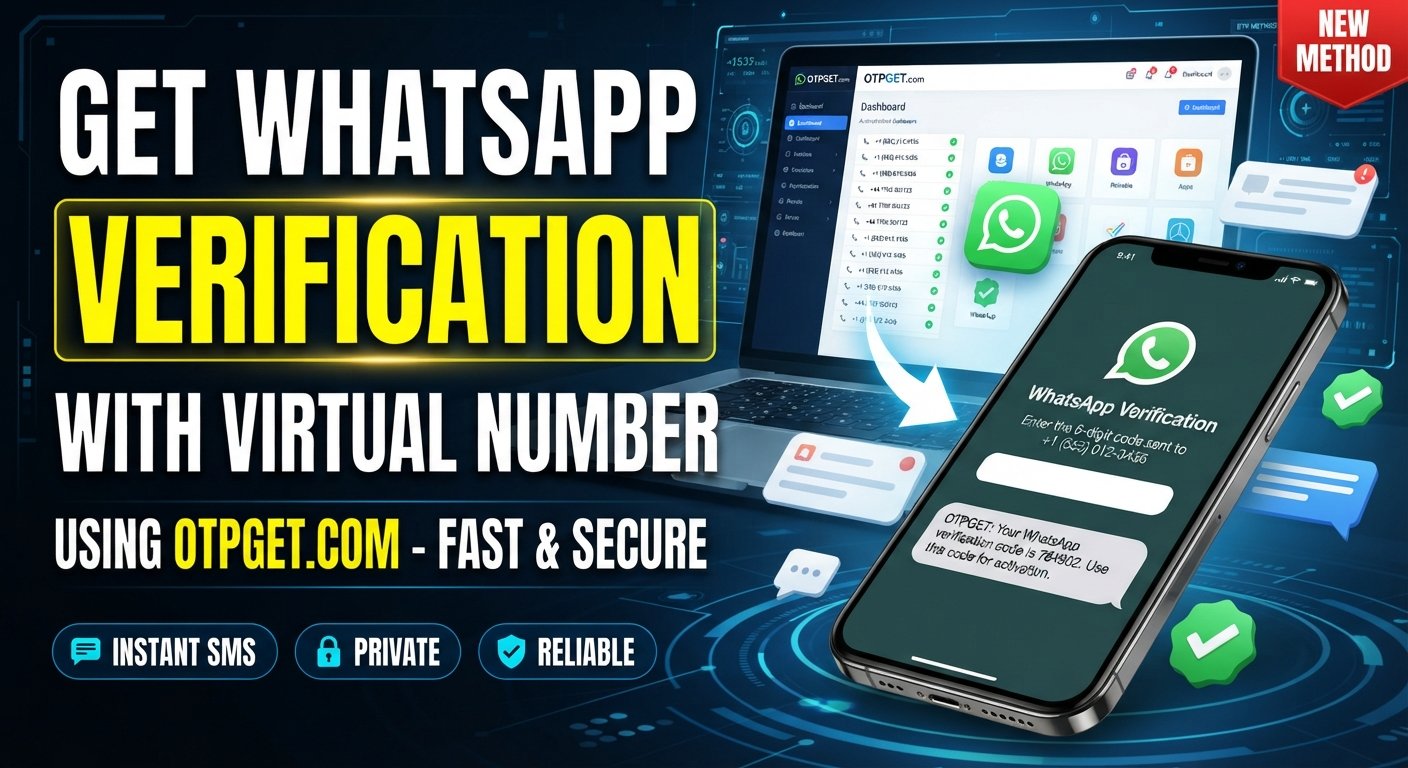
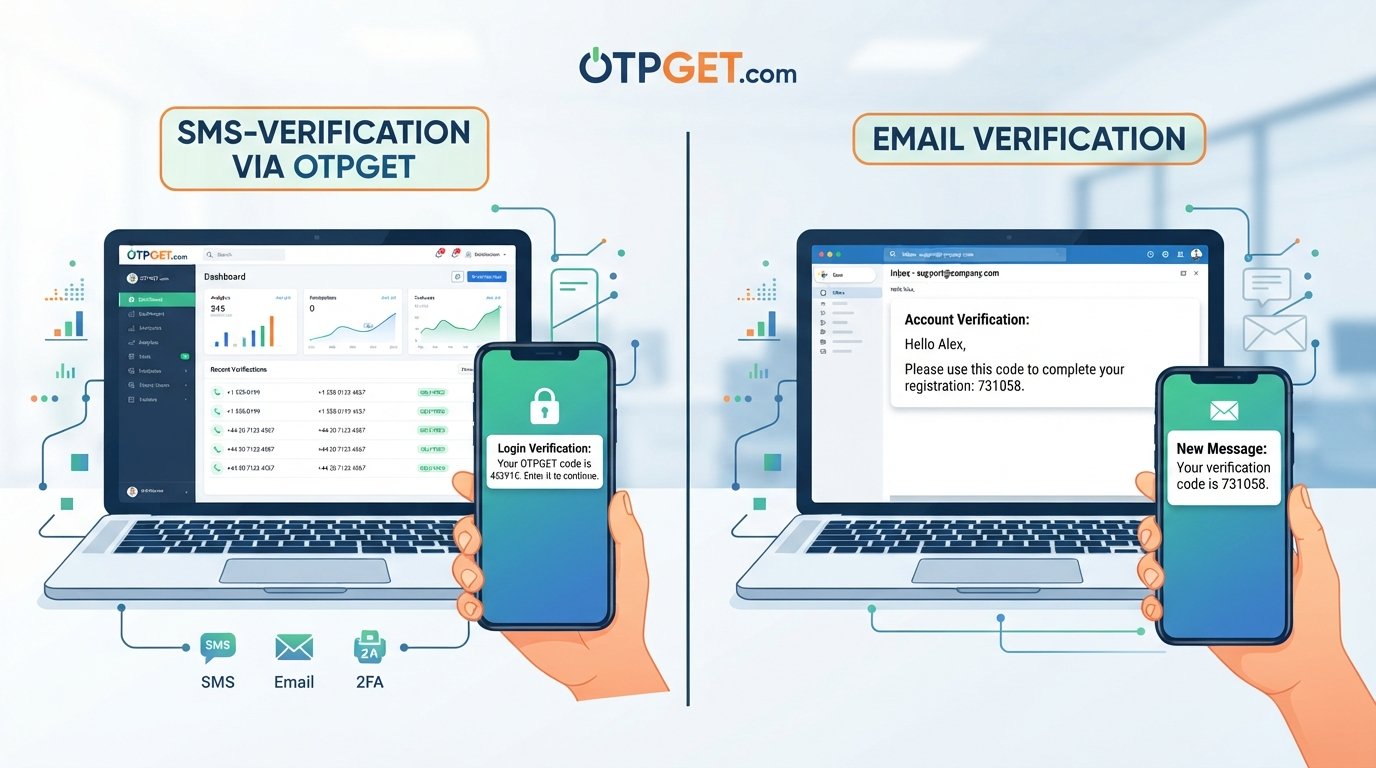
That is where virtual numbers for online verification can be useful. Instead of relying on a physical SIM card in your personal phone, a virtual number can allow eligible SMS messages to be received through an online service. The process is simple: use the provided number during verification, wait for the SMS, view the verification code, and enter it where requested.
Services such as OTPGET are designed around this use case, giving users access to virtual numbers for receiving verification messages online.
So, how does the technology actually work, and what should you know before using a virtual number? Let's break it down.
What Is a Virtual Number?
A virtual phone number is a telephone number that is managed through an online or cloud-based system rather than being tied directly to a physical SIM card in your device.
From the perspective of a website sending an SMS, the number can function like a normal phone number. The difference is what happens behind the scenes. Instead of the message arriving in your personal phone's standard SMS inbox, it is routed through the virtual-number provider and made available through its platform or another supported interface.
This makes virtual numbers useful in several situations.
For example, a developer testing an application may need to receive verification messages without repeatedly using a personal number. A business managing separate online projects may want a dedicated number for a particular workflow. An individual may simply prefer not to give a primary phone number to every service that requests one.
Depending on the provider, virtual numbers can be temporary or available as longer-term rentals.
[Internal Link Suggestion: Anchor Text: virtual phone numbers]
The important distinction is that a virtual number is still a phone number. It is simply accessed and managed differently from a traditional mobile number.
How Do Virtual Numbers Work for Online Verification?
The basic process behind virtual numbers for online verification is straightforward.
Here is what typically happens:
- Choose a virtual number.
The user selects an available number through a virtual number service, often according to the required country or supported service. - Enter the number during verification.
The virtual number is entered into the registration, login, or verification form on the website or application. - The platform sends an SMS.
The website generates a verification code and sends it to the phone number provided. - The message reaches the virtual-number provider.
Instead of arriving on a physical handset, the SMS is routed to the infrastructure managing the virtual number. - The user views the message.
The received SMS and its OTP may appear through the provider's dashboard or another supported method. - Enter the code.
The user copies the verification code and enters it into the original website or application.
In simple terms, the virtual number acts as the receiving destination for the SMS.
The process can be represented as:
Website → SMS verification code → Virtual number → Online dashboard → User → Verification page
This is why a virtual SMS number can be convenient when the primary requirement is receiving a verification message rather than making traditional calls.
Why Do People Use Virtual Numbers for OTP Verification?
There are several legitimate reasons someone might need an OTP receiving number.
Separating personal and online activity
Using a separate number can help keep personal communications distinct from verification messages. Instead of giving a primary number to every online service, users can use a separate number where the service permits it.
Testing applications and services
Developers, QA teams, and businesses may need to test phone verification flows repeatedly. A virtual number can be useful for receiving test verification messages without relying exclusively on a personal mobile line.
Managing online projects
People working on multiple websites, applications, or business projects may find a separate phone number easier to manage for specific online activities.
Temporary verification needs
Some verification tasks are one-off requirements. In those cases, a temporary phone number may be more practical than obtaining and maintaining another physical SIM.
Reducing unnecessary exposure of a personal number
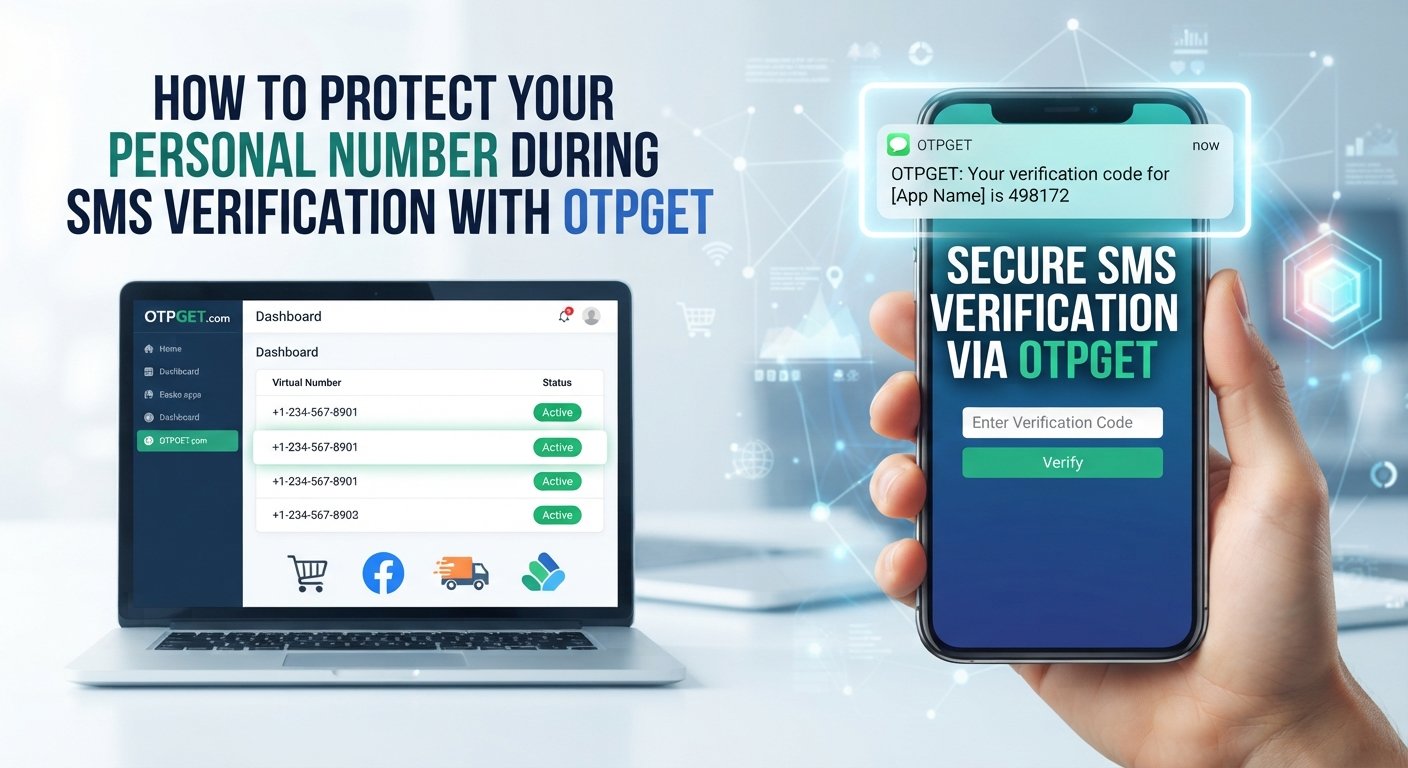
A separate verification number can reduce how often a personal number needs to be entered into online forms. This does not provide complete anonymity or eliminate privacy risks, but it can provide another layer of separation.
The key is responsible use. Virtual numbers should not be treated as a method for bypassing platform security, creating fraudulent accounts, or violating a service's rules.
Virtual Numbers vs. Regular Phone Numbers
Virtual and traditional phone numbers can both receive SMS, but their practical characteristics differ.
| Feature | Virtual Number | Regular Mobile Number |
|---|---|---|
| Physical SIM requirement | Usually no physical SIM for the user | Typically requires a SIM or eSIM |
| Accessibility | Managed through an online service | Usually managed through a phone/mobile network |
| SMS receiving | Available where the provider and platform support it | Generally available through the mobile carrier |
| Privacy considerations | Can separate verification from a personal number | Personal number is directly associated with the service |
| Convenience | Useful for online, temporary, or project-specific needs | Useful for everyday communication |
| Temporary use | Some services offer temporary numbers | Usually intended for longer-term ownership |
| Online management | Commonly managed through a dashboard or app | Primarily managed through the mobile device |
Neither option is universally better. The right choice depends on whether the number needs to support long-term communication, account recovery, temporary verification, testing, or another specific purpose.
What Is OTPGET?
OTPGET is a virtual-number service focused on SMS OTP and online verification use cases.
Its official platform describes access to virtual numbers for SMS verification, along with longer-term rental numbers and developer-oriented API functionality. The service documentation also describes methods for requesting numbers and checking the status of incoming SMS messages.
For someone who specifically needs a virtual number for OTP, the main attraction is the straightforward workflow: obtain an appropriate number, use it during an eligible verification process, and retrieve the incoming SMS through the service.
OTPGET also provides rental-number functionality for users whose needs extend beyond a single verification event. According to its documentation, rental numbers are managed separately from its standard SMS OTP flow.
However, availability and acceptance can depend on the external platform being verified. A virtual number service cannot guarantee that every website or application will accept every number.
How to Use OTPGET for Online Verification
For a typical supported verification workflow, the process can be kept simple:
- Visit OTPGET and access the available virtual-number service.
- Select an available number appropriate for the intended verification purpose.
- Enter the number on the supported website or application.
- Request verification from the original platform.
- Check OTPGET for the incoming SMS and retrieve the verification code.
- Enter the OTP into the original verification page to complete the process.
For technical users, OTPGET also documents an API-based approach for requesting numbers and checking SMS status, which can be relevant to application testing and automated workflows.
The exact experience can vary depending on the number, service, and verification platform involved. Always follow the terms and verification rules of the website or application you are using.
[Internal Link Suggestion: Anchor Text: receive SMS online]
Benefits of Using a Virtual Number for Verification
Privacy
One of the most common reasons to consider a virtual number is separation. A dedicated verification number means your primary phone number does not have to be used for every supported online verification request.
That said, a virtual number should not be confused with guaranteed anonymity. Providers may maintain account, transaction, technical, or activity information, and external platforms have their own privacy policies.
Convenience
A virtual SMS service can make receiving a verification code convenient because the message is accessed online rather than requiring a physical SIM in your everyday phone.
Separation
A second phone number can keep verification traffic separate from personal calls and messages. This can be especially useful for people managing online projects or testing workflows.
Temporary Use
When a verification task does not require long-term access, a temporary number may fit the purpose better than acquiring another permanent mobile line.
Accessibility
Online number services can be useful when the user's circumstances make obtaining or managing a traditional SIM inconvenient. Availability, however, depends on the provider and the intended platform.
Are Virtual Numbers Safe for Online Verification?
Virtual numbers can be useful, but they are not risk-free.
One important consideration is number reuse. Temporary numbers may not be intended for long-term account ownership. If an account depends on that number for future password resets or security checks, losing access to the number can create problems.
For important accounts, a personal or dedicated long-term number that you control may be more appropriate.
You should also consider:
- Whether the website accepts virtual numbers
- Whether the number is temporary or retained for longer-term use
- Whether the number could be reused
- Whether future account recovery requires the same number
- How the provider handles privacy and account information
- Whether the platform's terms permit the type of number being used
OTPGET's published terms state that its services are intended for legitimate uses such as online verification and account registration and prohibit illegal, fraudulent, abusive, or harmful activity.
Ultimately, the safety of a virtual number depends not only on the number itself but also on the provider, the platform being verified, and how the user manages the resulting account.
What Should You Look for in a Virtual Number Service?
Before choosing a virtual number service, consider the following checklist.
Number availability
Make sure the provider has numbers suitable for your intended country or service.
SMS functionality
If your goal is OTP verification, confirm that the service supports receiving SMS rather than assuming every virtual number has the same capabilities.
Ease of use
A clear dashboard and straightforward process can make it easier to locate incoming verification codes.
Reliability and transparency
Look for clear information about how numbers are provided, how long they remain available, and what happens when a message does not arrive.
Privacy practices
Understand what information the provider collects and how it handles account, technical, and transaction data.
Number lifespan
A temporary number may work well for a one-time verification but may be unsuitable for an account you expect to recover repeatedly.
Platform compatibility
Not every website accepts every virtual number. Some platforms may have restrictions on particular number types.
Pricing clarity
If the service charges for numbers, make sure the pricing model and any applicable terms are understandable before proceeding.
Customer support
For recurring or business use, accessible support can matter when a verification message fails to arrive or a number does not work as expected.
OTPGET can be considered alongside other providers when these factors align with your specific requirements. Its published documentation covers both SMS OTP numbers and longer-term rentals, giving users different approaches depending on whether they need a temporary verification number or ongoing access.
Final Thoughts
Virtual numbers provide a practical way to receive SMS verification codes without relying on a physical SIM in the user's primary phone. The basic process is simple: obtain a suitable number, enter it on a supported platform, receive the SMS through the virtual-number service, and use the OTP to complete verification.
People may choose virtual numbers to separate personal and online activity, support application testing, manage projects, or handle temporary verification requirements.
However, they are not a universal solution. Platform compatibility, number lifespan, privacy practices, and account recovery requirements all deserve attention before choosing a service.
For readers who need a straightforward way to access a virtual number for receiving verification messages, OTPGET is an option worth exploring. Review the available number and service options, check the rules of the platform you intend to verify, and choose the type of number that matches your actual needs.
9. FAQ Section
Can a virtual number receive OTP codes?
Yes, a virtual number can receive SMS OTP codes when the number supports SMS reception and the sending platform accepts that type of number. The message is typically made available through the virtual-number provider's online interface or supported API.
Can I use a virtual number for online verification?
Yes, virtual numbers can be used for eligible online verification processes. However, acceptance depends on the website or application. Some platforms restrict or reject certain virtual or temporary numbers.
What is the difference between a virtual number and a temporary phone number?
A virtual number describes how the number is provided and managed rather than how long it exists. A temporary phone number is generally intended for short-term use. Some virtual numbers can be rented for longer periods, while others may be used for a limited verification task.
Can every website accept virtual numbers?
No. Every website has its own verification rules. Some services accept virtual numbers, while others may restrict particular number types, providers, or temporary numbers.
Can I receive SMS online with a virtual number?
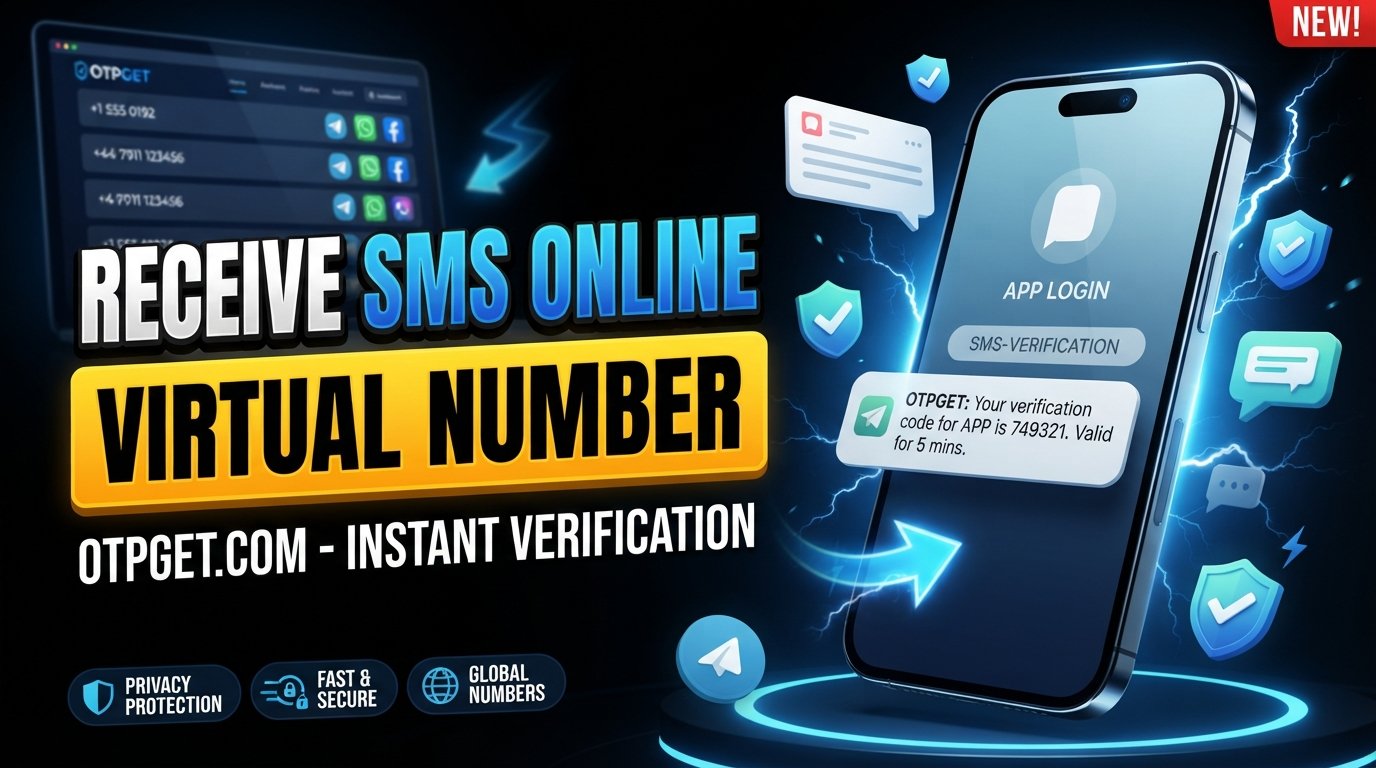
Yes. Receiving SMS online is one of the primary uses of many virtual-number services. The incoming message is routed to the service and can then be viewed through its supported online interface.
[Internal Link Suggestion: Anchor Text: online SMS verification]
Is a virtual number suitable for account recovery?
Not always. If an account requires the same phone number for future password resets or security checks, a temporary number can create recovery difficulties after access to that number ends. A number you control for the long term may be more appropriate for important accounts.
How does OTPGET help with online verification?
OTPGET provides virtual numbers intended for SMS OTP and verification workflows. Its documentation describes number requests and SMS status retrieval, while its platform also offers longer-term rental numbers. Availability and compatibility still depend on the specific verification service being used.