How Long Does a Virtual Number Stay Active? A Practical Guide
How Long Does a Virtual Number Stay Active?
If you are wondering how long does a virtual number stay active, there is no single answer that applies to every number. Some virtual numbers are designed for short-term verification, while others can remain available for longer depending on the provider, account status, usage, and retention rules.
That distinction matters if you use a virtual number for OTP, SMS verification, temporary projects, or an account that may need verification messages again later. Losing access unexpectedly can create problems, especially when a number is connected to an important service.
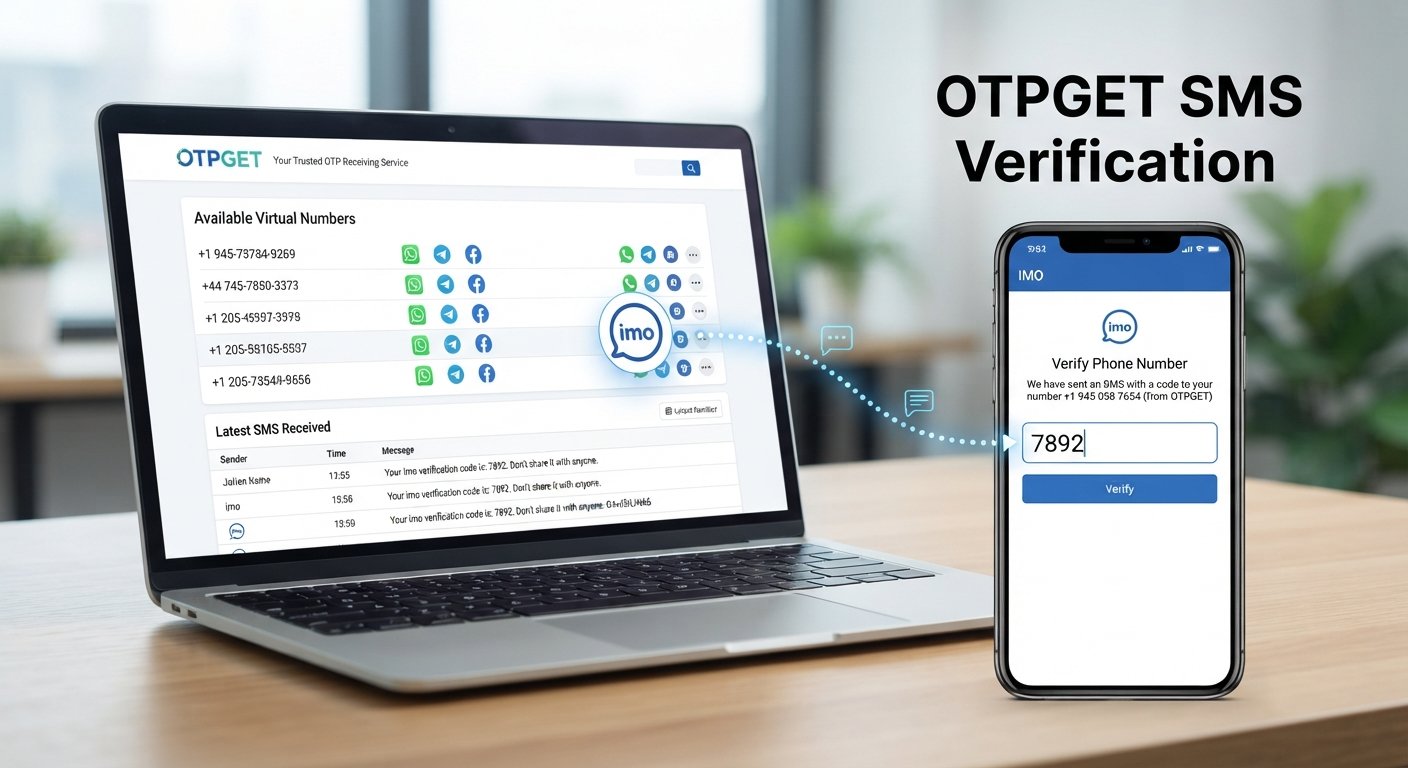
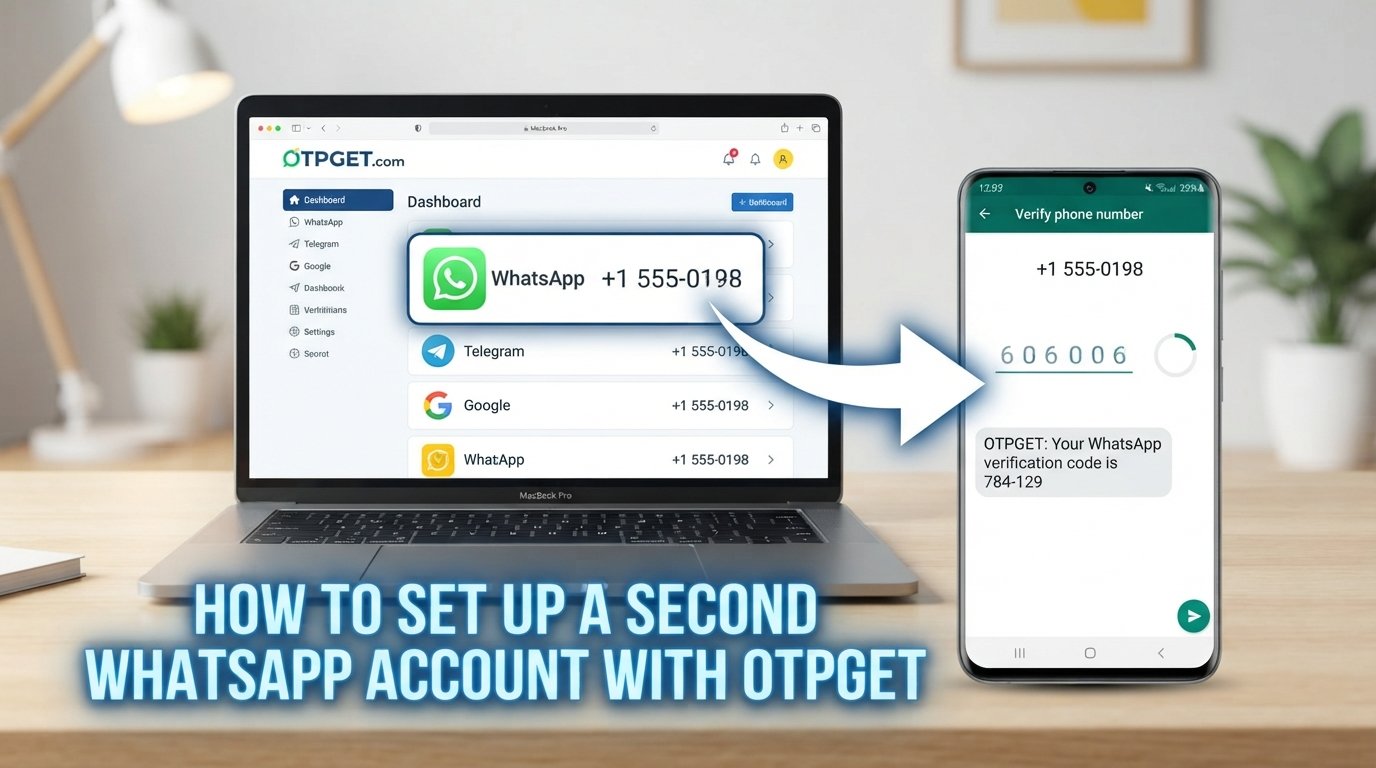
Understanding virtual number validity before choosing a provider can help you select an option that matches your actual needs. Services such as OTPGET can be useful for people looking for virtual numbers for legitimate SMS and OTP verification purposes.
Featured snippet answer: A virtual number does not have one universal lifespan. It may remain active for a short period or much longer depending on the provider, number type, account activity, subscription status, usage requirements, and number retention rules.
What Is a Virtual Number?
A virtual number is a phone number that operates through internet-based telecommunications rather than being tied directly to a traditional physical SIM card in your phone.
A virtual phone number can often be used to receive SMS, calls, or verification messages, depending on the service and number type. Businesses may use virtual numbers for customer communication, while individuals may use them for privacy-conscious communication, testing, temporary projects, or online verification.
A traditional mobile number is generally associated with a physical SIM or mobile network account. A virtual number, by contrast, is managed through a virtual number service or telecommunications platform.
For users who need to receive SMS online or receive a verification code without using their personal number, a virtual number can be a practical alternative.
[Internal Link: OTPGET Virtual Numbers]
How Long Does a Virtual Number Stay Active?
The lifespan of a virtual number depends primarily on the provider's policies and the type of number you choose.
There is no universal expiration period for all virtual numbers. A temporary number may be available only for a limited purpose, while a number associated with an ongoing account or subscription may remain available for considerably longer.
Several factors can affect virtual number validity:
- Provider policies: Every virtual number provider can establish its own retention and deactivation rules.
- Number type: Temporary, disposable, dedicated, and longer-term numbers may have different lifecycles.
- Account activity: Some services may consider usage or account activity when determining whether a number remains active.
- Subscription status: A number connected to a paid or active service may be governed by different rules than a temporary number.
- Usage requirements: Some numbers are intended specifically for short-term SMS or OTP verification.
- Number availability: Providers may eventually need to release numbers that are no longer assigned.
- Service-specific rules: Certain online services may impose their own requirements for SMS verification and account recovery.
The important point is not to assume that every virtual number remains reserved indefinitely.
What Determines Virtual Number Expiration?
Provider Policies
The provider controls much of a number's lifecycle. Its terms may explain how numbers are assigned, retained, deactivated, or returned to a general pool.
Before selecting a service, review its information about virtual number retention, inactivity, renewal, and cancellation.
Number Activity
Some services distinguish between an actively used number and an inactive virtual number. Depending on the provider, prolonged inactivity may affect whether the number remains assigned.
This does not mean every provider automatically deactivates an unused number. It simply means activity can be one factor in a provider's lifecycle rules.
Subscription or Account Status
A virtual number linked to an account or subscription may follow rules tied to that account.
If a subscription ends, a number may eventually be released. The exact process varies by provider, so users should check the applicable terms rather than assuming continued access.
Temporary Versus Long-Term Numbers
A temporary virtual number is generally intended for a limited purpose, such as receiving an SMS verification code for a short-term task.
A longer-term virtual number is more appropriate when you may need access to the same number repeatedly.
Understanding this difference is particularly important when a number is used for account verification.
SMS and OTP Usage
Using a number for SMS or OTP verification does not automatically mean it will remain active forever.
The key issue is the number's lifecycle under the provider's rules. A number can be useful for receiving a verification code today but unsuitable for an account that may need SMS access months later.
Number Recycling
Virtual number recycling occurs when a provider releases a number and it may eventually be assigned to another customer.
Number recycling is an important reason to avoid treating an expired number as permanently yours.
| Factor | How It Can Affect Number Lifespan |
|---|---|
| Provider policy | Determines retention, deactivation, and release rules |
| Account activity | May influence how an inactive number is handled |
| Number type | Temporary and longer-term numbers can have different lifecycles |
| Subscription status | Cancellation or account changes may affect continued access |
| SMS/OTP usage | Determines suitability for short-term or recurring verification |
| Number recycling | Released numbers may eventually be reassigned |
Temporary vs. Long-Term Virtual Numbers
Not every virtual phone number is designed for the same job.
| Factor | Temporary Virtual Number | Longer-Term Virtual Number |
|---|---|---|
| Typical purpose | Short-term verification or temporary projects | Ongoing communication or recurring access |
| Expected lifespan | Depends on provider and assignment rules | Generally intended for continued access |
| Best use cases | One-time or limited verification needs | Accounts or workflows that may require future SMS |
| Risk of expiration | Can be higher depending on service design | Depends on provider, account, subscription, and retention rules |
| Recurring verification | Less suitable when future access is important | Better suited when ongoing access is required |
A disposable virtual number can be convenient when you only need to receive a verification code once. However, it may be the wrong choice if you expect an account to request another SMS verification later.
For recurring verification, focus less on finding the shortest-term option and more on understanding the provider's retention policy.
What Happens When a Virtual Number Expires?
When a virtual number expires or is deactivated, you may lose the ability to receive new SMS messages through it.
That can have several consequences:
- New verification codes may no longer reach you.
- SMS-based account recovery may become unavailable.
- Services linked to the number may continue sending messages that you cannot access.
- The number may eventually be released for reassignment.
- A previously used number may no longer be under your control.
This is why number expiration matters beyond simply losing access to a phone number.
If an important account depends on SMS verification, users should maintain an appropriate recovery method rather than relying indefinitely on a number that was intended for temporary use.
[Internal Link: OTP Verification Guide]
Can an Expired Virtual Number Be Reused?
Sometimes a number may return to a provider's available inventory after it is released, but users should not assume that an expired virtual number will automatically be available to them again.
The number lifecycle depends on the provider. In some cases, a released number may eventually be recycled or reassigned.
This creates a potential privacy and account-management concern. If a number previously connected to an account is later assigned to another person, future SMS messages could potentially reach the new holder rather than the original user.
For that reason, an expired or inactive number should not be treated as a permanent credential.
Phone number recycling is particularly important for accounts that use SMS as a recovery or authentication channel.
How Long Should You Keep a Virtual Number for OTP Verification?
The right lifespan depends on what you are verifying.
For a one-time verification, a temporary virtual number may be sufficient if the service only requires one SMS verification code.
For a short-term project, you may need the number for several verification events over the project's duration. In that case, choosing a number with appropriate retention is more practical than selecting a disposable option immediately.
For an account you expect to use repeatedly, consider whether you might need future verification codes, password resets, or security notifications. If the answer is yes, a longer-term virtual number or another reliable recovery method may be more appropriate.
The key question is not simply, "How long does a virtual number last?" It is:
How long might I realistically need access to this number?
That approach helps match the number type to the actual purpose.
How to Choose a Virtual Number Provider
Choosing a virtual number provider requires more than checking whether a number is currently available.
Consider these factors before making a decision:
Number Availability
Check whether the provider offers numbers in the country or region you need.
SMS Receiving Capability
If your purpose is SMS verification, confirm that the selected number is designed to receive SMS messages.
Reliability
A service should provide clear information about how its numbers are assigned and managed.
Number Retention Policies
Look for transparent information about inactivity, expiration, renewal, cancellation, and number recycling.
Ease of Use
The process for selecting a number and viewing incoming messages should be straightforward.
Privacy Considerations
Understand how the service handles your account information and incoming messages. Avoid assuming that every virtual number service offers the same privacy protections.
Customer Support
Accessible support can be useful when you need clarification about number status, availability, or account-related issues.
Suitability for OTP and SMS Verification
If your primary goal is receiving OTPs, choose a service designed around legitimate verification and SMS receiving needs rather than simply selecting the cheapest available number.
Why Consider OTPGET for Virtual Numbers?
If you need a virtual number specifically for SMS verification, OTP verification, or receiving verification codes, OTPGET can be a practical option to consider.
The main advantage of using a dedicated virtual number service is that it gives you a more structured way to obtain a number for your intended use instead of relying on random or unclear temporary-number sources.
OTPGET is particularly relevant for users who need a virtual number for legitimate purposes such as account verification, temporary projects, testing, or receiving SMS online.
As with any virtual number provider, users should consider the number's availability, intended use, retention rules, and the requirements of the service they are verifying. No virtual number should be assumed to remain active indefinitely unless the provider's terms explicitly support that expectation.
If you need a virtual number for receiving OTPs or SMS verification codes, explore OTPGET and choose a number that matches the duration and verification needs of your use case.
Tips to Keep Your Virtual Number Useful for Longer
You cannot necessarily control a provider's number lifecycle, but you can make better choices about how you use virtual numbers.
- Understand retention rules before selecting a number. Check the provider's information about expiration and inactivity.
- Know whether the number is temporary or intended for longer-term use. Choose according to how long you expect to need it.
- Review subscription requirements. If continued access depends on an active account or subscription, understand those conditions.
- Do not assume inactivity means permanent reservation. An unused number may eventually be subject to the provider's lifecycle rules.
- Match the number to the account's expected lifespan. A temporary number may not be appropriate for an account you expect to access for a long time.
- Keep important recovery methods separate. For critical accounts, consider recovery options that do not depend solely on a temporary verification number.
- Understand recycling. Once a number is released, it may eventually become available to another user.
These simple checks can prevent many of the problems associated with unexpected number deactivation.
Frequently Asked Questions
1. How long does a virtual number usually stay active?
There is no standard lifespan for every virtual number. Duration depends on the provider, number type, account activity, subscription status, usage requirements, and retention policy. Temporary numbers may be intended for short-term use, while other numbers can remain assigned for longer under the provider's rules.
2. Do virtual numbers expire?
Yes, virtual numbers can expire or become inactive. Expiration may happen because of provider policies, account or subscription changes, inactivity, or the end of a temporary assignment. Always check the provider's specific terms rather than assuming a virtual number will remain active indefinitely.
3. Can a virtual number be used for OTP verification?
Many virtual numbers are designed to receive SMS and can be used for legitimate OTP verification where the relevant service accepts them. However, acceptance varies by service. If you need a number for verification, confirm that the provider and number type support your intended use.
4. What happens when a virtual number expires?
An expired number may stop receiving SMS, including verification codes. Depending on the provider's lifecycle, it may eventually be released and potentially recycled. If the number is connected to an important account, losing access can make future verification or account recovery more difficult.
5. Can an expired virtual number receive SMS?
Generally, you should not expect an expired or deactivated number to continue receiving SMS. Once the provider ends your assignment, access to incoming messages may stop. The exact behavior depends on the provider and the number's lifecycle.
6. Can virtual numbers be reused?
A released virtual number may eventually be recycled or reassigned, depending on the provider's policies. This does not necessarily mean the original user can reclaim it. Because number recycling can occur, avoid relying on an expired number for future account verification.
7. Is a virtual number suitable for long-term account verification?
It can be, but the number should be appropriate for ongoing access. If an account may require SMS verification or recovery later, consider the provider's retention policies and whether the number is intended for longer-term use rather than choosing a temporary or disposable number.
Conclusion
So, how long does a virtual number stay active? The answer depends on the provider, number type, account status, activity, subscription, and retention rules. Temporary numbers may be appropriate for limited verification needs, while longer-term requirements call for a number designed for continued access.
Before choosing a virtual number, review the provider's expiration, inactivity, and recycling policies. For users who need a practical option for SMS or OTP verification, OTPGET can be worth exploring based on the specific duration and verification requirements.
If you need to receive OTPs or SMS verification codes online, explore OTPGET and select a virtual number that fits your intended use.