How to Get Salesforce Login Without Phone Number: Safe Options
How to Get Salesforce Login Without Phone Number
Introduction
Trying to complete a Salesforce login without phone number access can be frustrating, especially when your normal verification method is tied to a phone you lost, replaced, or cannot currently use.
The good news is that a phone number is not necessarily the only legitimate way to authenticate. The available options depend on your Salesforce organization, account type, and the authentication methods your administrator has enabled. Salesforce supports several MFA methods, including authenticator apps, built-in authenticators or passkeys, and security keys.
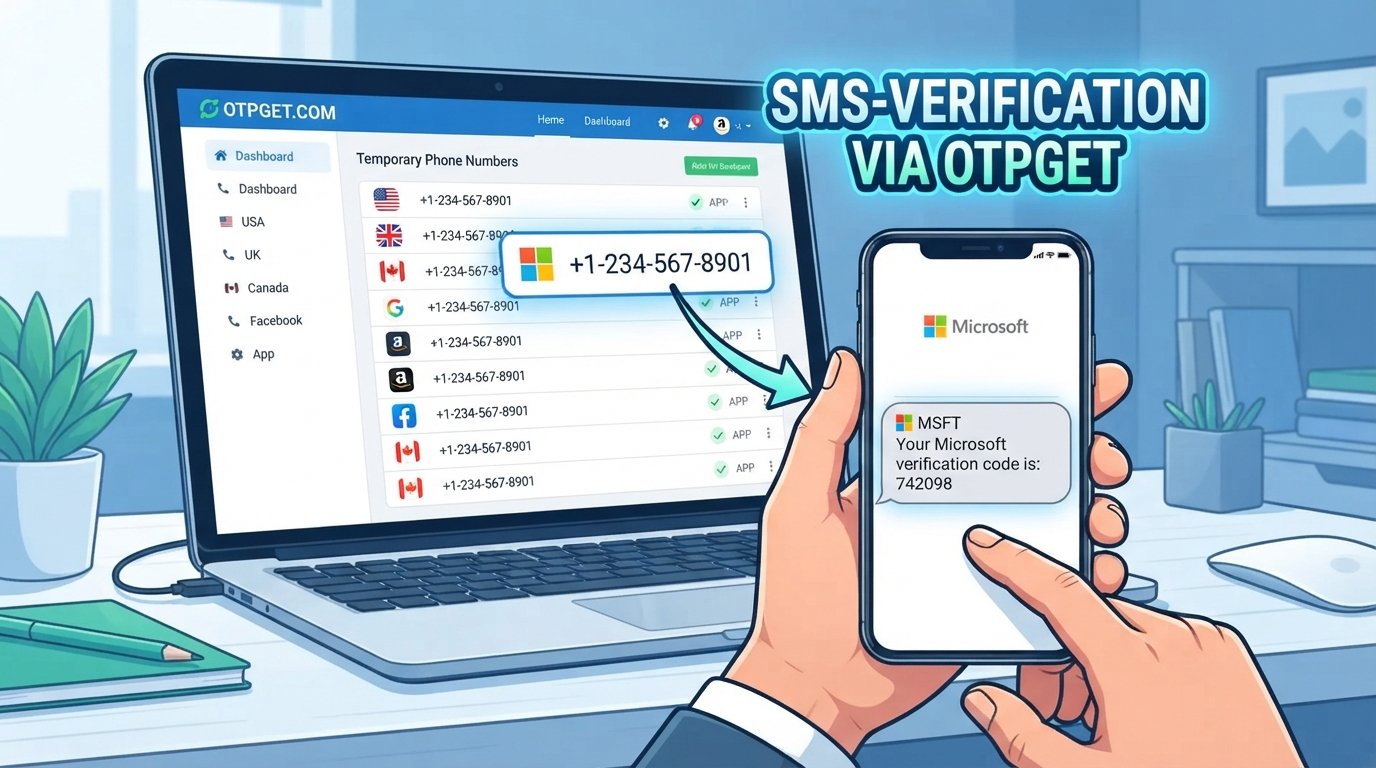
If the particular verification flow uses SMS and permits a compatible virtual number, an OTP receiving service such as OTPGET may also be worth considering for an authorized verification scenario. However, OTPGET should be viewed as a way to receive a legitimate verification code—not as a method for bypassing Salesforce MFA or account security.
Why Salesforce May Ask for a Phone Number
Salesforce uses multi-factor authentication (MFA) and identity verification to add protection beyond a username and password. Depending on the account and organization configuration, authentication can involve an authenticator application, passkey, security key, Salesforce Authenticator, or another supported verification method.
For some external users, an organization can also allow one-time passcodes delivered through SMS. That means not every Salesforce account follows the same phone-based login process.
A phone number may therefore become relevant when:
- Your organization uses SMS-based verification.
- Your account has a phone-linked verification method.
- You are completing an identity check from an unfamiliar device.
- You are recovering access after losing your normal authentication method.
- Your organization's administrator has configured a specific verification workflow.
The important distinction is that Salesforce authentication requirements are configuration-dependent. If your account uses an authenticator app or security key, losing your phone number may not prevent you from logging in at all.
Can You Log In to Salesforce Without a Phone Number?
Yes, potentially. You can access Salesforce without your usual phone number when another authorized authentication method is already registered or when your organization's recovery process provides another way to verify your identity.
Depending on your setup, legitimate options can include:
- A registered authenticator app
- Salesforce Authenticator
- A built-in authenticator or passkey
- A registered security key
- Another previously configured MFA method
- A temporary verification code provided through your Salesforce administrator
- Organization-specific account recovery assistance
- An SMS-based verification option using a compatible number, where permitted
Salesforce documentation specifically supports authenticator apps that generate time-based one-time passwords (TOTP), as well as passkeys and security keys.
If multiple verification methods are registered, Salesforce can also allow a user to select a different available method rather than relying exclusively on the method shown first.
What if You Lost Your Verification Method?
If you have lost access to your MFA method, contacting your Salesforce administrator is usually the appropriate next step. Salesforce provides administrators with MFA recovery capabilities, including temporary verification codes and the ability to help users replace or reconnect lost verification methods.
If you are the only administrator and cannot access the organization because of MFA, Salesforce directs users to contact Salesforce Customer Support for assistance.
How OTPGET Can Help With OTP Verification
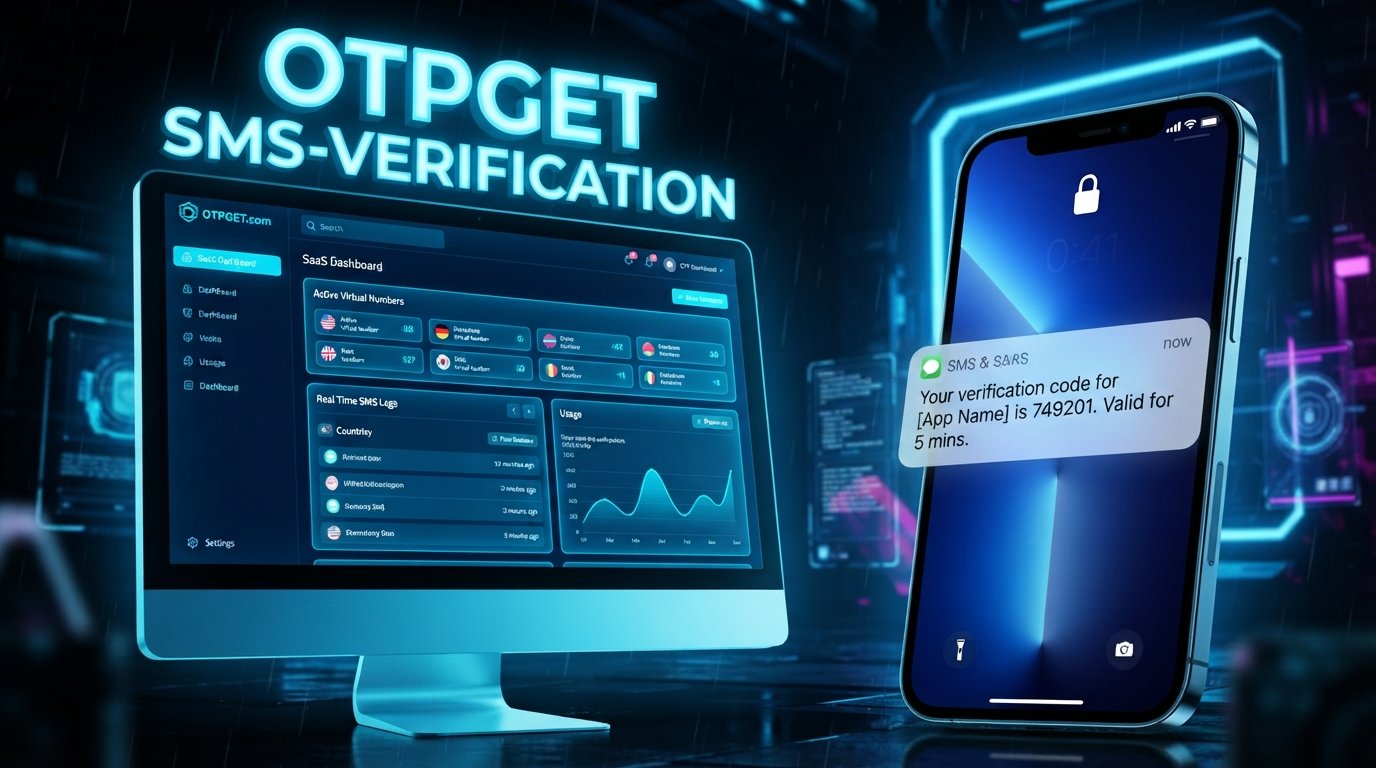
OTPGET is an online service that provides virtual numbers for receiving SMS verification codes. Its documentation describes temporary numbers, rental numbers, SMS OTP functionality, and other verification-related services.
This can be relevant when a legitimate verification workflow specifically requires an SMS code and the target service accepts the type of virtual number being used.
The key point is compatibility.
OTPGET does not automatically replace Salesforce's MFA requirements, and there is no basis for treating it as a Salesforce-approved authentication method. Salesforce's supported MFA options depend on the organization's configuration.
Therefore, if you are looking for a Salesforce login without phone number access, consider OTPGET only when:
- The Salesforce authentication flow actually offers SMS verification.
- Your organization permits the relevant verification method.
- The service accepts the type of number provided.
- You are authorized to access the Salesforce account.
- Using a virtual number complies with your organization's policies.
In other words, receiving an OTP is not the same thing as bypassing authentication. The normal Salesforce verification process still needs to be completed.
How to Use OTPGET for a Legitimate Verification Flow
If your authorized Salesforce verification process supports SMS and permits a virtual number, the general workflow is straightforward:
- Identify the required verification method.
Check the Salesforce login screen or your organization's instructions to determine whether SMS OTP is actually being requested. - Confirm compatibility.
Before using an OTP receiving service, verify that virtual or temporary numbers are permitted for the relevant account and authentication process. - Choose an appropriate OTPGET number.
OTPGET documents virtual numbers and SMS OTP services for supported verification workflows. Availability can vary by service and location. - Enter the authorized number in the verification flow.
Use the number only where Salesforce presents a legitimate phone-verification field and your organization's policies allow it. - Receive the verification code.
If the service and verification flow are compatible, the incoming SMS may be displayed through the OTPGET service. - Enter the code on the legitimate Salesforce verification screen.
Complete the normal authentication process. Do not send the code to another person. - Set up a more permanent authentication method when appropriate.
If you regularly lose access to your phone, ask your Salesforce administrator about registering an authenticator, passkey, security key, or another supported method.
This process is about receiving a legitimate OTP when the authentication system permits it. It should never be used to intercept another person's verification code or gain unauthorized access.
Other Ways to Access Salesforce Without Your Usual Phone Number
Use an Authenticator App
Authenticator apps can generate TOTP verification codes without relying on SMS. Salesforce supports third-party authenticator applications that use the TOTP standard.
Salesforce Authenticator can also provide push-based approval and TOTP codes, depending on how it has been configured.
Use a Passkey or Security Key
A security key can be especially useful when you do not want authentication to depend on a mobile phone. Salesforce supports physical security keys and built-in authenticators as MFA methods.
These methods can provide an alternative to SMS codes because the authentication factor is associated with the registered device or key.
Contact Your Salesforce Administrator
For organization-managed accounts, your administrator may be able to help with MFA recovery. Salesforce provides administrative tools for temporary verification codes and replacing lost verification methods.
Use an Existing Registered Method
If you previously registered multiple MFA methods, check whether the Salesforce login screen offers Use a different verification method or a similar option. Salesforce documents the ability to select another registered method in applicable configurations.
OTPGET vs. Other Verification Options
| Option | How it works | Phone number required? | Main consideration |
|---|---|---|---|
| OTPGET | Provides virtual numbers that can receive supported SMS OTPs | No personal number may be needed | Compatibility with the specific verification flow must be confirmed |
| Authenticator app | Generates time-based verification codes | Not necessarily | Must already be registered or configured |
| Security key | Uses a physical authentication device | No | Requires a previously registered key |
| Administrator recovery | Admin assists with MFA recovery | No | Available only within supported organizational procedures |
| Backup authentication method | Uses another registered factor | Not necessarily | Must have been configured in advance |
No single option applies to every Salesforce account. Your organization's authentication configuration determines which methods are available.
Common Problems When Trying to Log In Without a Phone
OTP not arriving
Check that the number is compatible with the verification service and that the SMS verification method is actually supported. Virtual numbers are not universally accepted.
The wrong verification method appears
If another MFA method is registered, look for an option to use a different verification method. Salesforce supports selecting alternate registered methods in applicable configurations.
The OTP has expired
One-time codes are temporary. Request a new code and enter the latest valid code rather than repeatedly using an older message.
Your organization manages authentication
Your administrator may control which MFA methods users can register or use. In that situation, changing verification methods yourself may not be possible.
You lost your registered MFA device
Contact the Salesforce administrator responsible for your account. Salesforce provides documented recovery procedures for users who lose or replace their verification methods.
Security and Privacy Considerations
A Salesforce verification code is sensitive authentication information. Treat it like a password.
Follow these basic precautions:
- Never share an OTP with another person.
- Never use another person's Salesforce account.
- Only use verification methods for accounts you are authorized to access.
- Confirm that you are entering credentials and codes on the legitimate Salesforce login page.
- Follow your organization's security and acceptable-use policies.
- Do not attempt to defeat, disable, intercept, or circumvent MFA.
- If using an OTP receiving service, understand how the service handles numbers, messages, and account information before using it.
For OTPGET specifically, use the service only for legitimate verification purposes and only where the relevant platform permits the use of virtual numbers. Compatibility can vary, so an OTP receiving service should never be treated as a guaranteed solution for every Salesforce authentication flow.
Frequently Asked Questions
Can I log in to Salesforce without my phone number?
Yes, depending on your Salesforce configuration. You may be able to use an authenticator app, passkey, security key, another registered MFA method, administrator-assisted recovery, or an eligible SMS verification method.
How can I receive a Salesforce verification code without my usual phone?
First check whether your Salesforce account has another registered authentication method. If the applicable login flow uses SMS and permits a compatible virtual number, an OTP receiving service such as OTPGET may be an option. Compatibility and organizational policies must be checked first.
Can OTPGET help with Salesforce OTP verification?
OTPGET provides virtual numbers capable of receiving supported SMS verification codes. It may therefore be useful when an authorized Salesforce verification flow accepts SMS and the relevant virtual number is compatible. OTPGET does not guarantee compatibility with every Salesforce account or authentication configuration.
Does OTPGET bypass Salesforce MFA?
No. OTPGET should not be described as an MFA bypass. It is an OTP receiving service. If Salesforce requires an authenticator, passkey, security key, or another MFA method, receiving an SMS through OTPGET does not replace that requirement.
What should I do if I lost access to my phone number?
Check for another registered verification method and contact your Salesforce administrator if you cannot authenticate. Salesforce provides administrative recovery procedures for lost or unavailable MFA methods.
Can I use an authenticator app instead of SMS?
Depending on your Salesforce organization and account configuration, yes. Salesforce supports third-party TOTP authenticator apps and Salesforce Authenticator as MFA methods.
What should I do if my Salesforce OTP is not arriving?
Confirm that SMS verification is the method your account is actually using, check the entered number, wait briefly for delivery, and request a fresh code if necessary. If the problem continues, contact your Salesforce administrator or use another registered authentication method.
Is it safe to share a Salesforce OTP?
No. You should treat a Salesforce OTP as sensitive authentication information and never disclose it to another person unless you are following a verified, authorized organizational process.
Conclusion
Getting a Salesforce login without phone number access is often possible, but the right approach depends on how your Salesforce account and organization have configured authentication.
If you already have an authenticator app, passkey, security key, or another registered MFA method, that may provide a straightforward alternative to your usual phone. If you have lost your verification method altogether, your Salesforce administrator can help with supported MFA recovery procedures.
For an SMS-based verification flow that permits virtual numbers, OTPGET can be considered as a practical OTP receiving option where compatible and authorized. Its role is to receive a verification message—not to bypass Salesforce MFA or security controls.
The safest approach is to use the authentication method your organization supports, protect every verification code carefully, and keep a reliable recovery method registered whenever possible.
Suggested Internal Links
- Salesforce MFA guide — Link to a detailed guide explaining Salesforce multi-factor authentication.
- How OTP verification works — Link to an educational article explaining one-time passwords and verification codes.
- Salesforce account recovery guide — Link to a guide covering legitimate account and MFA recovery procedures.
- Authenticator apps for account security — Link to a guide comparing authenticator-based verification.
- How to receive OTP online — Link to an educational guide about legitimate online OTP receiving services.