How to Receive SMS With an International Number Online Guide
How to Receive SMS With an International Number
Need to receive a text message from another country without using a physical SIM? An international virtual number can provide a practical way to receive SMS online, including certain verification messages and one-time passwords.
People use international numbers for many legitimate reasons: traveling, testing applications, separating personal and online communications, or accessing services that support numbers from specific countries. Instead of relying on a traditional mobile SIM, a virtual phone number can route incoming messages to an online service.
For users looking for a straightforward way to manage this process, OTPGET is an option to consider. It can help users access SMS online through an international number, subject to the supported country, number, and service requirements.
What Is an International Number for SMS?
An international SMS number is a phone number associated with a particular country or region that can receive text messages without necessarily requiring a physical SIM card in your device.
A virtual phone number works differently from a traditional mobile number. Rather than being tied directly to a physical SIM inside your smartphone, it can be managed through an online platform or telecommunications system.
Depending on the service, incoming SMS may be displayed through an online interface where you can read the message and, when appropriate, use a verification code.
An international virtual number can be useful when you need an online SMS number from a particular country but do not have access to a local mobile connection.
Why Would You Need an International Number?
There are several legitimate situations where an international number for SMS can be useful.
Common examples include:
- Traveling: You may need access to SMS while away from your usual mobile network.
- Application testing: Developers and testers may need numbers from different regions to test SMS-related functionality.
- Separating communications: A virtual number can keep certain online messages separate from your personal phone number.
- Verification: Some services require an SMS-enabled phone number before allowing registration or another legitimate account action.
- International operations: Businesses or individuals working across markets may need access to numbers associated with different countries.
- Limited local access: You may need to receive a message from a service that supports an international number when you do not have a local SIM.
The important point is that acceptance varies. A website or application decides which countries, carriers, and number types it supports.
How Does Receiving SMS Online Work?
The basic process behind an SMS receiving service is relatively simple.
- Choose a supported international number.
- Enter the number into the legitimate website, application, or service requesting an SMS.
- The service receives the incoming message associated with that number.
- The message appears through the receiving platform's interface, depending on how that service operates.
- Read the SMS or verification code and use it for the intended purpose.
This means you can potentially receive text messages online without having the number inserted into your phone.
Services such as OTPGET are designed around this general use case, giving users an online option when they need an international number for SMS receiving.
Can You Receive SMS Without a Physical SIM?
Yes, a virtual number can allow you to receive SMS without a physical SIM card. Instead of receiving the message through a SIM installed in your phone, the incoming SMS is handled by the virtual number service and made available through its online system.
There are three common approaches:
- Physical SIM: A traditional mobile number connected to a SIM card.
- eSIM: A digital SIM profile installed on a compatible device.
- Virtual or online number: A number managed through an online telecommunications service rather than a physical SIM in your phone.
A virtual number can be convenient when you only need online access to SMS. However, it should not automatically be treated as a replacement for a personal mobile number. The right option depends on how frequently you need the number, whether you need long-term access, and which services accept it.
How to Receive SMS With an International Number
If you are wondering how to receive SMS with an international number, the process can be broken into a few practical steps.
Step 1: Identify the Country You Need
First, determine which country or region the service requires.
Country selection matters because platforms may apply different verification rules to numbers from different locations. Some services may support only specific countries or number types.
Step 2: Choose a Suitable International Number
Select an available international virtual number that fits your intended use.
Before choosing, consider:
- Country availability
- Whether SMS is supported
- Compatibility with your intended service
- Whether the number is temporary or reusable
- Pricing and usage terms
- How incoming messages are displayed
Step 3: Use the Number for the Intended Service
Enter the international number where a legitimate website or application requests an SMS-enabled phone number.
Make sure the service's rules permit the use of virtual or international numbers. Using a number in ways that violate a platform's terms can result in verification failure or account restrictions.
Step 4: Wait for the Incoming SMS
Once the message is sent, the SMS receiving service handles the incoming communication.
Delivery time can vary depending on the sender, network, country, and platform.
Step 5: Retrieve the SMS or Verification Code
Open the relevant online interface and check whether the incoming message has arrived.
If the message contains an OTP or other verification code, use it only for the legitimate verification process that requested it.
Step 6: Complete the Verification Process
Enter the received code into the appropriate service if required.
If the message does not arrive, avoid repeatedly requesting codes without checking the platform's limits. Some services restrict repeated verification attempts.
OTPGET: A Convenient Way to Receive SMS Online
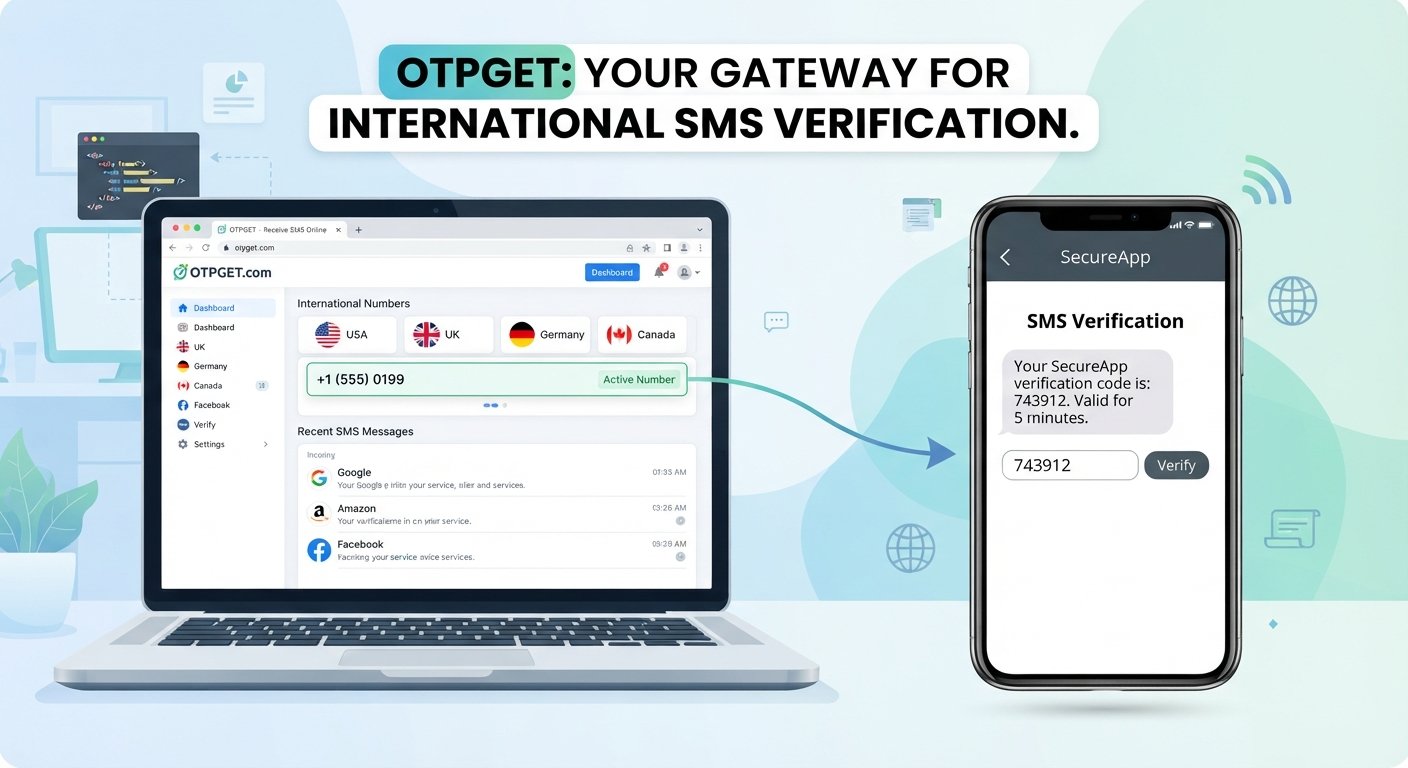
For people searching for a virtual number for SMS, OTPGET provides an option to consider when an international number is needed for receiving messages online.
The basic user journey is straightforward:
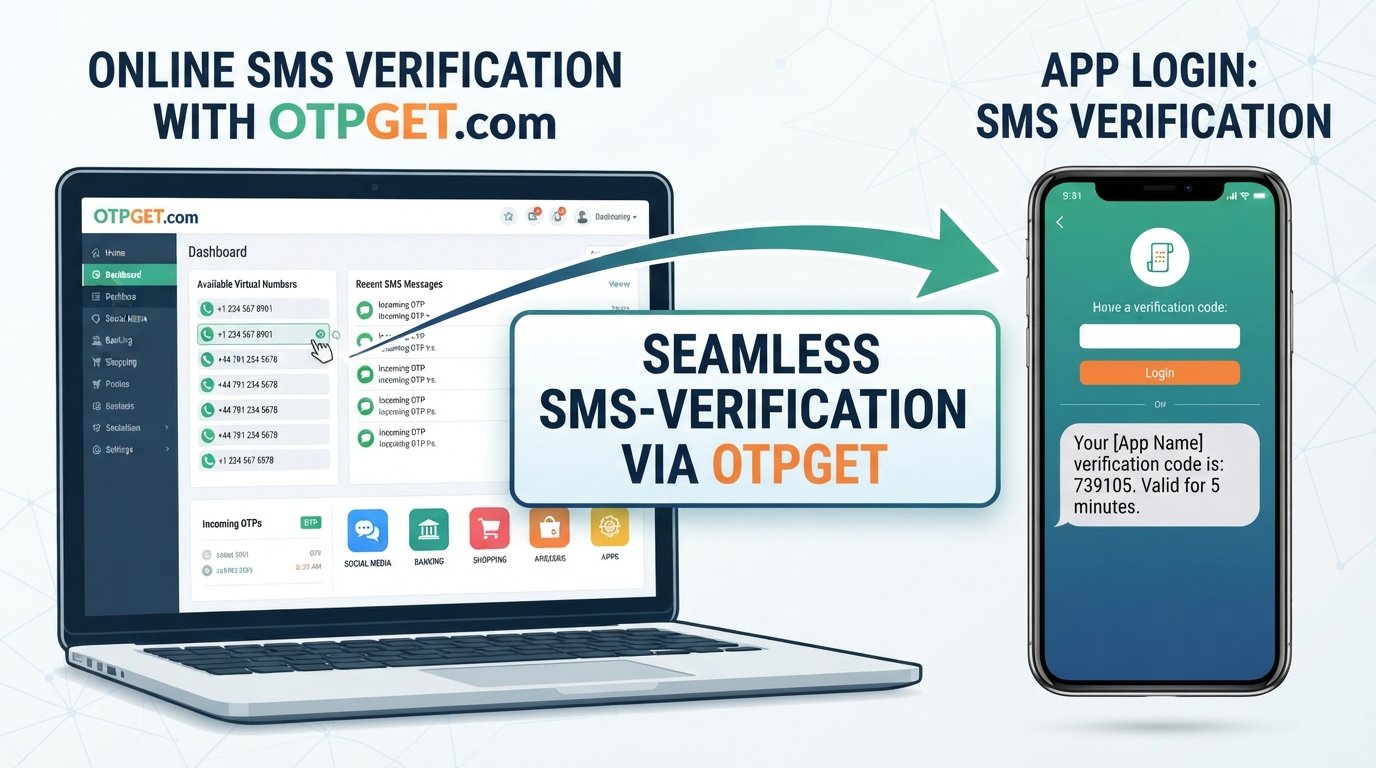
Choose a number → use the number → receive SMS → access the message or code
The main convenience of this approach is that you do not necessarily need a physical SIM in your phone to access an incoming SMS. Instead, the number and message handling take place through an online service.
OTPGET can be particularly relevant when you need an international SMS number for a supported verification or messaging use case. However, the receiving platform still determines whether a particular virtual number is accepted.
Before selecting a number, check the available country and service options and make sure the intended use is permitted.
What to Look for in an International SMS Receiving Service
Not every virtual number service works the same way. Before choosing an international virtual phone number, consider these factors:
- Country availability: Make sure the country you need is supported.
- Supported services: Check whether the intended website or application accepts the relevant number type.
- Number availability: Popular countries or services may have limited number availability.
- Delivery speed: Consider how quickly incoming SMS are normally displayed.
- Ease of use: A clear online interface makes receiving messages easier.
- Privacy considerations: Understand how incoming messages and account information are handled.
- Reliability: Look for a service with clear information about availability and usage.
- Pricing: Compare the cost with how often you expect to use the number.
- Number type: Determine whether you are receiving a temporary phone number or something intended for longer-term use.
- Reusability: If ongoing access matters, check whether the number can be used again.
- Platform compatibility: A number may receive SMS successfully but still be rejected by a particular website.
These details can make a significant difference when choosing an online virtual number.
Why SMS Verification May Not Always Work
A common misunderstanding is that receiving SMS and getting accepted by a particular website are the same thing. They are not.
A platform may:
- Reject virtual numbers
- Block certain number ranges
- Restrict temporary phone numbers
- Accept only selected countries or carriers
- Limit repeated verification requests
- Apply additional verification requirements
In these situations, the issue may be the receiving platform's policies rather than the SMS receiving service itself.
For example, an international virtual number may be capable of receiving an SMS, while the website sending that SMS may decide not to accept that number for registration or verification.
This is why it is useful to check compatibility before relying on a number for an important account or long-term service.
International Number vs. Personal SIM
| Feature | Traditional SIM | International Virtual Number |
|---|---|---|
| Physical SIM requirement | Usually required | Not necessarily required |
| Accessibility | Through a compatible mobile device | Through an online service |
| International availability | Depends on carrier and plan | Depends on available countries and numbers |
| Setup | SIM activation may be required | Online setup may be simpler |
| SMS receiving | Yes, subject to network service | Yes, when supported |
| Portability | Tied to mobile service | Managed through the virtual number provider |
| Typical use cases | Personal mobile communication | Online SMS, international use, testing, verification |
Neither option is universally suitable. A personal SIM may make more sense for everyday communication, while a virtual number can be useful for specific online SMS needs.
Is Using an Online SMS Number Safe?
Using an online SMS number requires the same practical judgment you would apply to any third-party communication service.
Before choosing a provider:
- Use a reputable service.
- Review its privacy information and terms.
- Avoid sharing sensitive information unnecessarily.
- Understand how incoming messages are handled.
- Check whether numbers are temporary or reusable.
- Avoid relying on shared or temporary numbers for accounts where you need dependable long-term access.
- Follow the rules of the website or application you are using.
A virtual number for verification can be convenient, but it should not be assumed to provide the same continuity or account ownership characteristics as a personal mobile number.
Common Questions About International SMS Numbers
Can I receive SMS online with an international number?
Yes. An international virtual number can receive SMS through an online receiving service when the selected country, number, sender, and platform are supported. The incoming message is typically accessed through the service's online interface.
Can I receive SMS without a physical SIM?
Yes. Virtual numbers can receive supported SMS without requiring a physical SIM in your smartphone. The message is handled by the online number service instead of being delivered to a SIM installed in your device.
Can an international virtual number receive OTP codes?
It can receive OTP codes when the sending platform accepts the number and the relevant SMS route is supported. Not every website accepts virtual or temporary numbers, so compatibility should be checked first.
Are virtual numbers accepted by every website?
No. Websites and applications can restrict virtual numbers, temporary numbers, specific countries, or particular number ranges. An SMS receiving service cannot control the verification policies of the platform sending the message.
How long does it take to receive an SMS?
Delivery time varies. Factors can include the sender, carrier, country, platform, and receiving service. If a message does not arrive, check the number, wait for the platform's normal delivery window, and avoid excessive repeated requests.
Can I use the same international number again?
That depends on the number and service. Some numbers may be temporary, while others may be available for additional use. If you need continued access, check the number's terms before using it for an account that matters to you.
What should I do if an SMS does not arrive?
First, verify that the correct country and number were selected. Then check whether the sending platform accepts virtual numbers and whether you have reached a verification limit. If the issue continues, another supported number or country may be necessary.
Why would I use OTPGET for receiving SMS online?
OTPGET is an option for users who need an international number to receive SMS online. Its value depends on the country, number, and intended service being supported. Users can review the available options and select a number appropriate for their legitimate use case.
Conclusion
An international virtual number can be a practical alternative when you need to receive SMS online without using a physical SIM. It can support legitimate needs such as international travel, application testing, separating communications, and receiving verification messages from services that accept virtual numbers.
The basic process is simple: choose a supported international number, use it with the intended service, wait for the incoming SMS, and retrieve the message or verification code online.
However, virtual numbers are not accepted everywhere. Country restrictions, number types, temporary-number policies, and platform-specific verification rules can all affect whether an SMS or OTP is received successfully.
If you need an international number for verification or SMS receiving, OTPGET is a convenient option to explore. Check the available countries, number types, and intended service compatibility before choosing a number, then use it for the legitimate purpose for which it was requested.