Managing Client Social Accounts with Virtual Numbers
Managing Client Social Accounts with Virtual Numbers
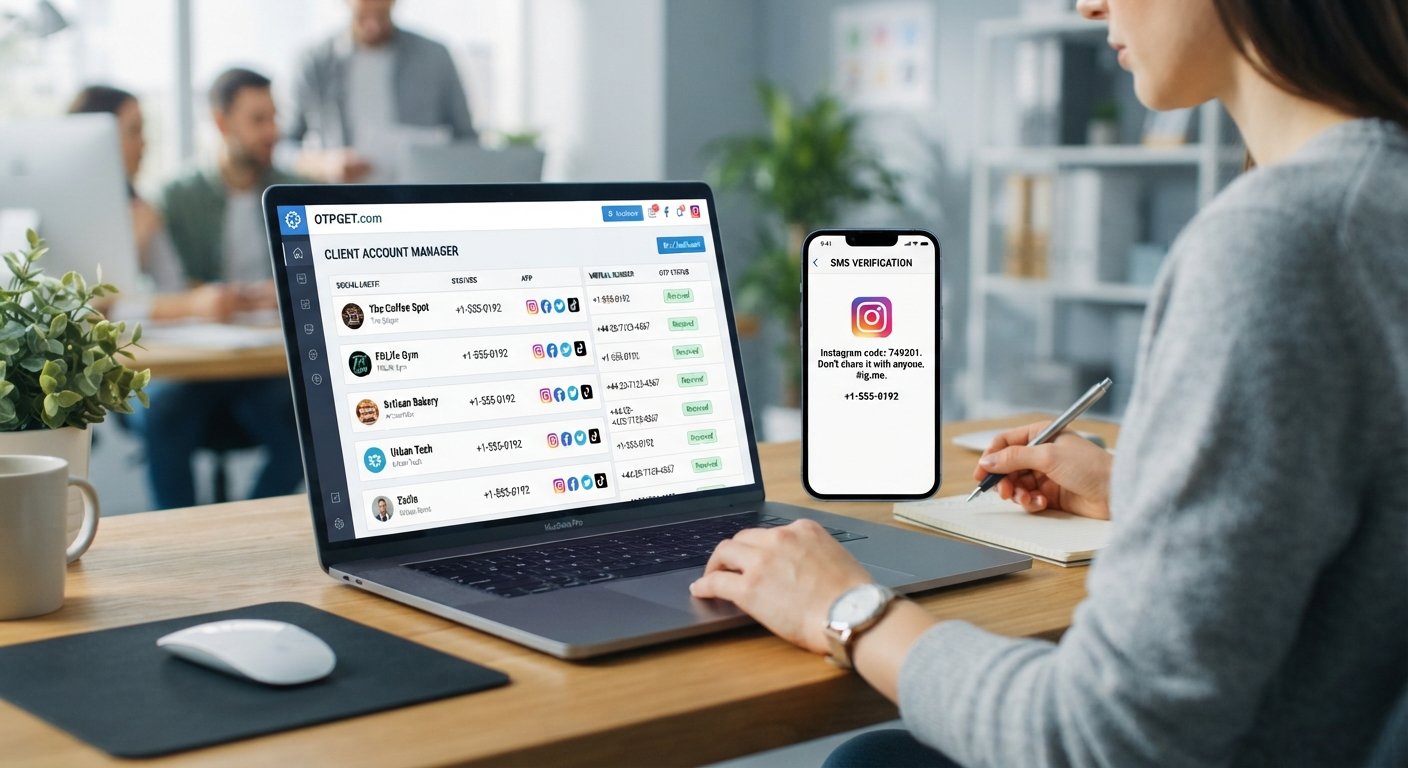
Managing social media for several clients sounds straightforward until the accounts, verification requests, team members, and communication channels start multiplying.
A freelancer may manage five or ten client profiles. An agency may handle dozens across different brands. Each account can have its own login details, recovery information, verification requirements, and internal access process.
Phone verification can become one of the less convenient parts of that workflow. Using a personal number for client work can blur the line between business and personal communication, while relying on a shared number can make account management harder to organize.
This is where virtual numbers can become useful.
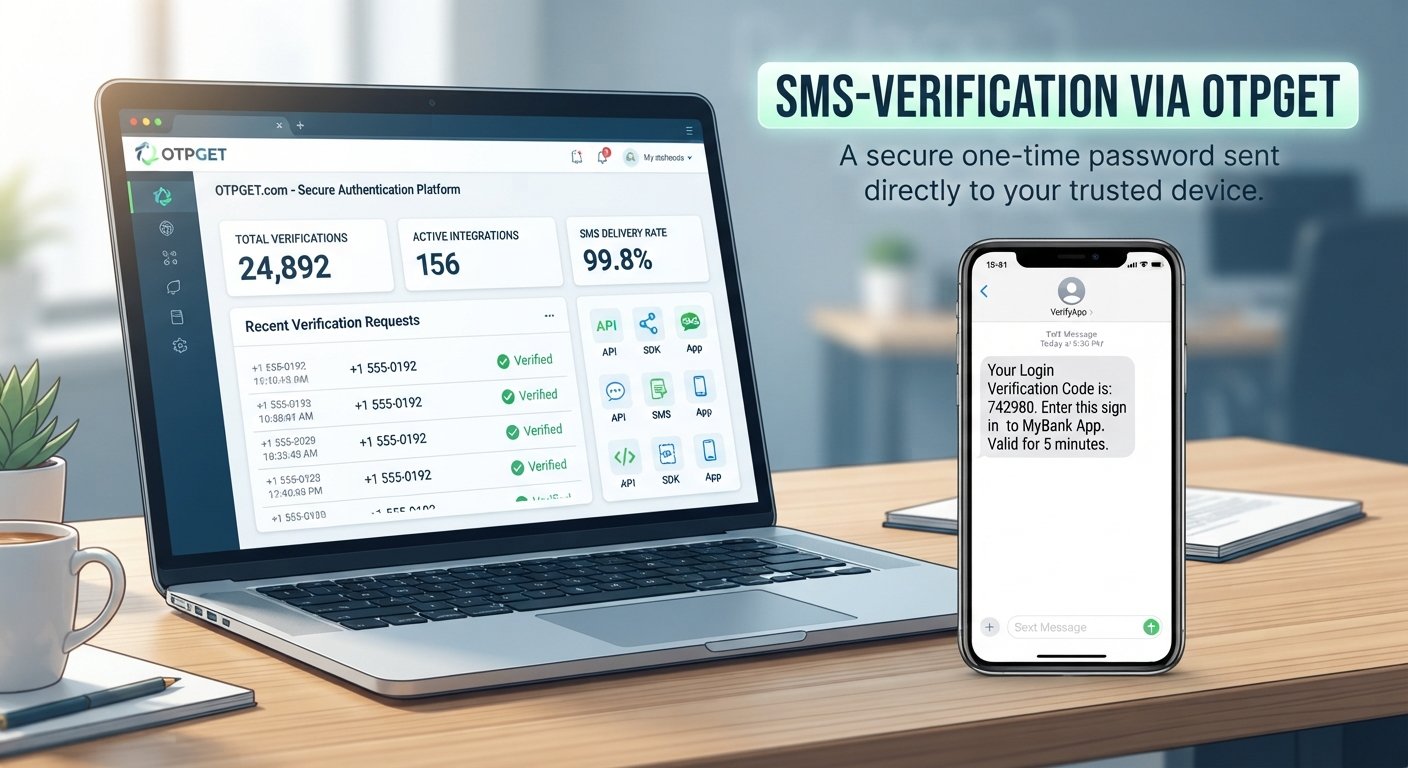
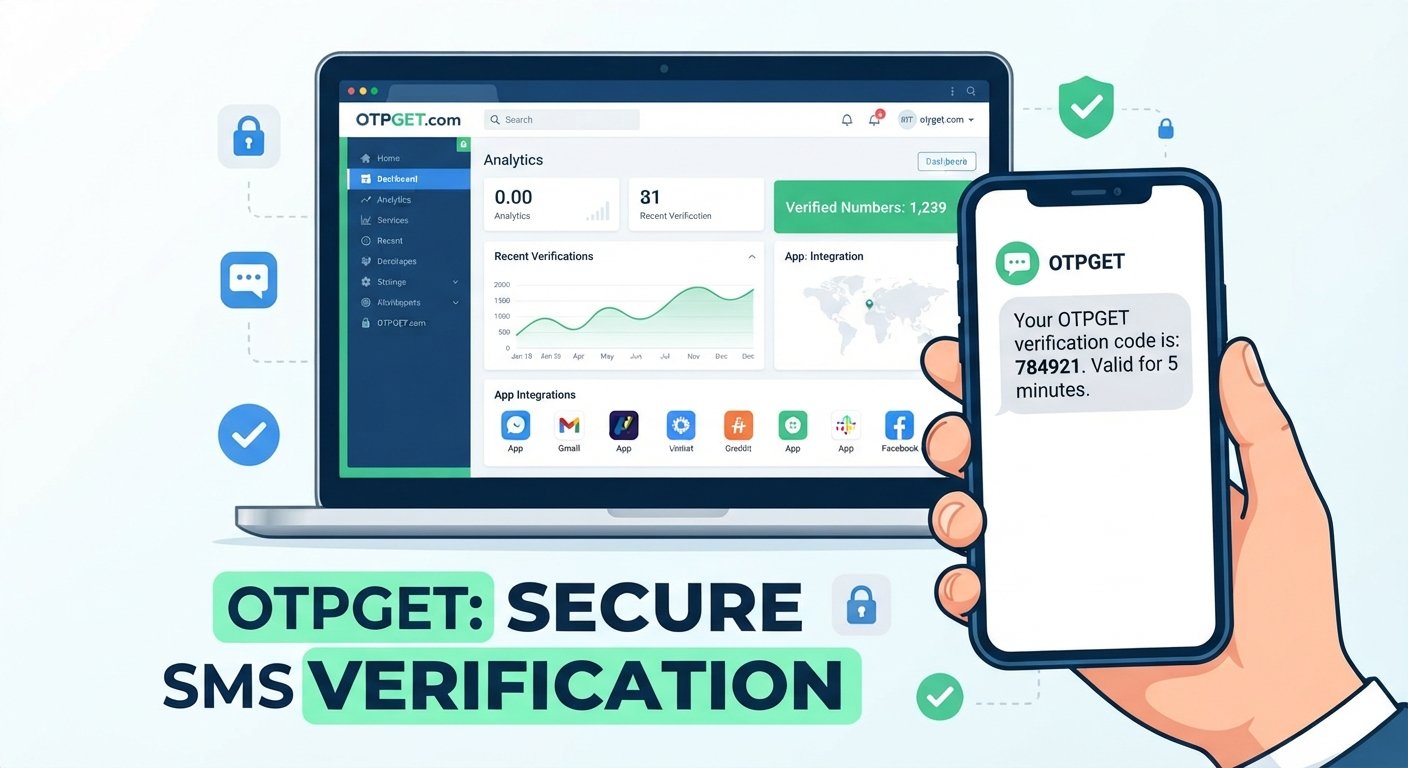
A virtual phone number gives businesses and digital teams another way to handle appropriate verification and communication workflows without making a personal mobile number the default for every client account. For teams looking for a practical platform for virtual-number-based OTP workflows, OTPGET provides virtual numbers and OTP verification services that can fit into legitimate account-management processes.
Why Managing Client Social Accounts Can Get Complicated
Social media account management involves much more than publishing posts.
When a freelancer or agency takes responsibility for multiple client accounts, several operational issues can appear:
- Multiple clients: Every client may have different account ownership and access requirements.
- Verification requests: Platforms can request phone-based verification during registration or other account workflows.
- Personal-business overlap: Using one personal number for everything can make professional account administration harder.
- Team collaboration: Remote teams need clear processes for who handles accounts and verification information.
- Account organization: Login credentials, recovery details, client instructions, and verification records need to remain separated.
- Client transitions: When a contract ends, access and account-related information should be transferred or removed appropriately.
For example, imagine a social media agency managing accounts for a restaurant, an online store, a real estate company, and a local service business. Each client has different account owners and different internal requirements.
Without a structured system, small administrative tasks can quickly become confusing.
A well-organized workflow helps the agency treat every client account as a separate business asset rather than mixing everything together.
What Are Virtual Numbers?
A virtual phone number is a telephone number that can receive messages without requiring the user to rely on a traditional physical SIM card in a personal phone.
Instead of making your everyday mobile number the center of every business workflow, a virtual number can provide a separate channel for appropriate online verification or business processes.
Virtual numbers can be useful for:
- Business account workflows
- SMS verification
- Receiving OTP codes
- Client onboarding
- Remote-team operations
- Separating personal and professional communication
However, a virtual number is not automatically compatible with every website or social platform. Services can have different verification requirements, restrictions, and policies.
That distinction matters.
Before using a virtual phone number for verification, check whether the specific platform permits that type of number and whether your intended use complies with its rules.
How Virtual Numbers Help With Social Media Account Management
For legitimate client account management, virtual numbers can add another layer of organization to an agency workflow.
Consider a freelancer who manages social media for several small businesses. Instead of automatically attaching their personal phone number to every business-related process, they can consider an appropriate virtual-number workflow where supported.
Potential benefits include:
Better account separation
A dedicated number can help distinguish client-related verification activity from personal communications.
More organized workflows
The manager can document which number is associated with which authorized business process rather than relying on scattered personal records.
Easier client onboarding
When a new client has legitimate verification requirements, the agency can incorporate phone verification into its onboarding checklist.
Reduced dependence on personal numbers
A virtual number can reduce the need to use a personal mobile number for every appropriate business verification workflow.
Better agency processes
Teams can create repeatable procedures for account setup, verification, documentation, and access management.
The goal is not to bypass platform controls. It is to create a cleaner administrative process around legitimate account ownership and verification.
Why Social Media Managers Use Separate Numbers
Keeping personal, business, and client activity separate is useful for more than convenience.
A social media manager may have:
- Personal social accounts
- Their own professional business accounts
- Client accounts
- Brand pages
- Team-managed profiles
Putting all of these into one phone-based workflow can create unnecessary confusion.
A separate number can provide clearer boundaries for appropriate business processes. It can also make internal documentation easier because the team can associate a verification number with a specific client or workflow.
For agencies, this separation can become especially useful as the number of clients increases.
The important point is that a separate number should support proper account administration—not create a way around platform restrictions.
OTP Verification and Virtual Phone Numbers
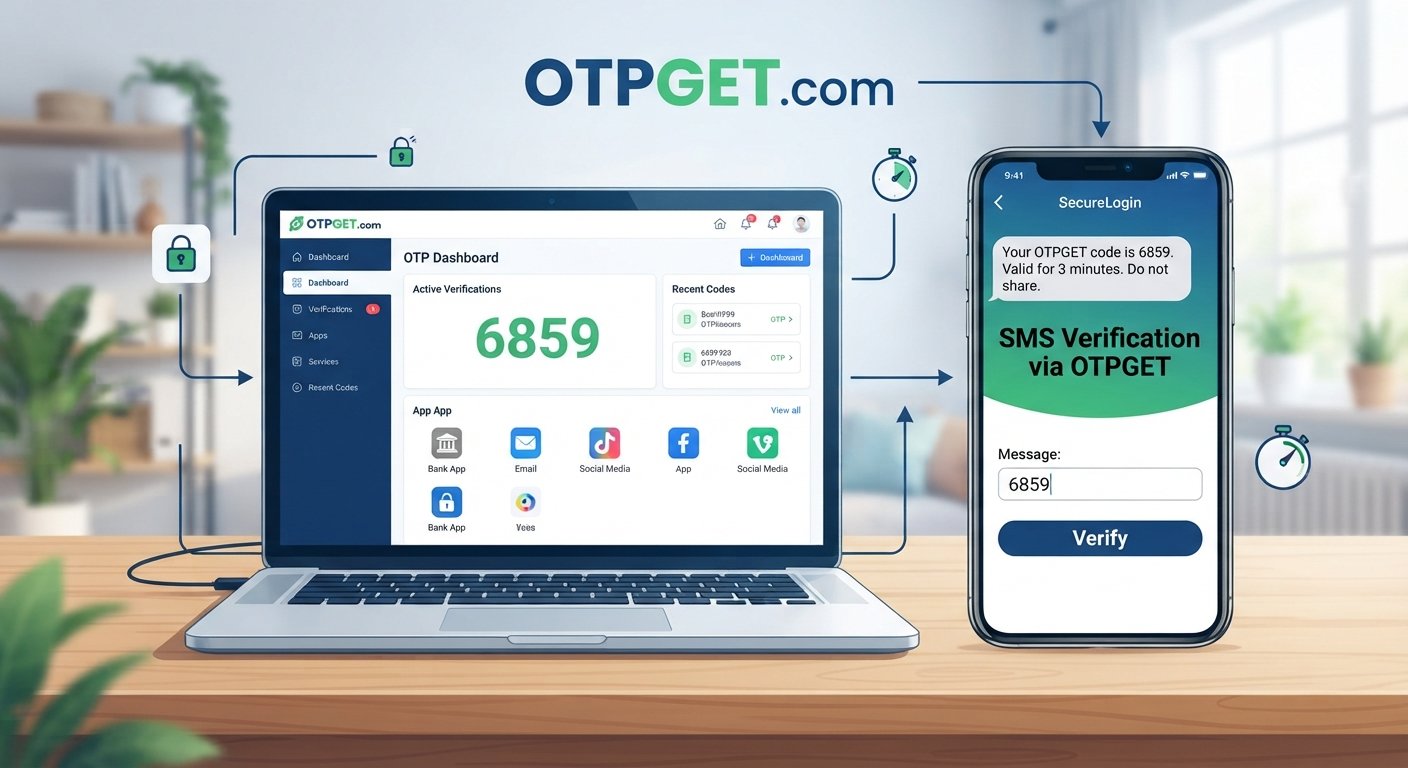
An OTP, or one-time password, is a temporary verification code commonly delivered through channels such as SMS.
A typical SMS verification workflow looks like this:
- A platform requests phone verification.
- The authorized user enters a phone number.
- The platform sends a verification code.
- The user receives the code.
- The code is entered into the platform.
- The platform validates the code.
A virtual phone number can fit into this process when the relevant service supports it and the user is authorized to use the number.
This can be particularly practical for businesses that want to keep client account administration separate from personal phone usage.
Users should always use numbers they are legitimately authorized to use and follow the verification requirements of the relevant platform. A virtual number should not be treated as a tool for defeating security controls, creating deceptive identities, or circumventing account restrictions.
OTPGET: A Practical Solution for Virtual Number Management
Once an agency has identified a legitimate need for virtual-number-based verification, the next question is how to manage the numbers and OTP workflow efficiently.
OTPGET is built around virtual numbers and OTP verification. Its published service information describes virtual numbers for SMS OTP verification, rental numbers for longer-term needs, and access through an online dashboard. It also offers developer APIs for users who need programmatic workflows.
For freelancers and social media managers, the practical value is straightforward: instead of treating phone verification as an isolated administrative problem, it can become part of a more organized digital workflow.
OTPGET can be relevant for:
- Freelancers managing legitimate client accounts
- Social media managers handling business profiles
- Digital marketing agencies with multiple client workflows
- Businesses separating professional and personal phone usage
- Teams that need virtual numbers for supported verification processes
OTPGET also publishes information about both temporary virtual numbers and rental numbers, allowing users to consider the type of number that matches their intended workflow.
The right option depends on the account's legitimate requirements. A short-lived verification workflow and a situation requiring continued access should not automatically be treated the same way.
How to Use OTPGET for Managing Client Social Accounts
A practical workflow can look like this:
1. Identify the client's legitimate requirement
Determine whether the social platform actually requires phone verification and what type of number it accepts.
2. Confirm platform compatibility
Check the platform's current verification rules before obtaining a number. Virtual numbers are not universally accepted across every service.
3. Select an appropriate number through OTPGET
Where supported and permitted, obtain a virtual number suitable for the intended business workflow. OTPGET provides virtual-number options for SMS verification and also offers rental numbers for longer-term requirements.
4. Complete the platform's verification process
Use the authorized number for the client's legitimate account workflow and retrieve the verification code through the available OTPGET process.
5. Document the account responsibly
Record relevant account-management information securely so that the team knows which client and business process the number relates to.
6. Protect access
Limit access to client credentials and verification information to people who genuinely need it.
7. Follow platform requirements
If a platform restricts a particular type of number or verification method, follow those rules rather than attempting to work around them.
This approach turns phone verification from an improvised task into a documented part of the agency workflow.
Benefits for Freelancers and Social Media Agencies
Virtual numbers can be particularly useful when social media work becomes a repeatable service rather than a one-off task.
Freelancers
Independent social media managers can maintain clearer separation between personal communication and client account administration.
Social media agencies
Agencies can incorporate verification into standardized client onboarding and account-management procedures.
Digital marketing teams
Marketing teams handling multiple brands can document account information more systematically.
Remote teams
Virtual communication tools can be useful when team members work from different locations and need access to business processes without relying on one person's physical phone.
Small businesses
A small company can separate certain business verification workflows from an owner's personal mobile number where the relevant platform permits it.
The larger benefit is organization. A virtual number is one component of a broader client account management system—not a replacement for good security practices.
Best Practices for Managing Multiple Client Accounts
Using virtual numbers effectively still requires disciplined account management.
Keep these practices in place:
- Store credentials using an appropriate password manager or secure access system.
- Keep each client's information logically separated.
- Document verification details responsibly.
- Use phone numbers you are authorized to use.
- Avoid sending or sharing sensitive OTPs through unnecessary channels.
- Give team members only the access they need.
- Remove former team members' access promptly.
- Review client access when contracts or responsibilities change.
- Keep recovery information current where permitted.
- Follow every platform's terms and verification requirements.
Most importantly, do not assume that a virtual number makes an account secure by itself. Account security depends on the complete workflow, including passwords, authentication settings, access controls, recovery options, and team practices.
Common Mistakes to Avoid
Several mistakes can make a virtual-number workflow less effective.
Using unauthorized numbers: Only use numbers legitimately available to you or your business for the intended purpose.
Reusing numbers without checking restrictions: Some services may have limitations around previously used numbers or repeated verification.
Sharing OTPs insecurely: A verification code should not be casually posted in team chats or shared with people who do not need it.
Mixing personal and client accounts: Clear separation reduces administrative confusion.
Poor documentation: If nobody knows which number belongs to which authorized workflow, the system quickly becomes difficult to manage.
Ignoring platform rules: Verification requirements vary. A virtual number should never be used to circumvent restrictions.
Assuming every virtual number works everywhere: Compatibility should always be checked before starting a verification process.
Using temporary numbers for long-term recovery: If an account needs an ongoing recovery method, a short-lived number may not be appropriate. Consider the account's long-term ownership and recovery requirements before choosing a number.
Virtual Numbers vs. Traditional Phone Numbers for Client Management
Neither option is universally right for every business. The appropriate choice depends on the workflow, platform requirements, ownership model, and need for continued access.
| Feature | Traditional Number | Virtual Number |
|---|---|---|
| Personal/business separation | May require separate physical SIM/device | Can provide an additional digital number |
| Remote accessibility | Usually tied to a mobile device or carrier | Can support online access where provided |
| Client workflow flexibility | Depends on device and carrier setup | Can fit certain cloud-based workflows |
| Account verification use | Common where supported | Available where the platform accepts it |
| Agency scalability | Can become harder to organize across clients | Can provide additional workflow flexibility |
| Long-term account recovery | Often practical for personally controlled numbers | Depends on number type, rental terms, and platform requirements |
The key consideration is not simply whether a number is virtual or physical. It is whether the number fits the account's legitimate operational and recovery needs.
Is OTPGET Right for Your Social Media Workflow?
OTPGET may be worth considering if your work regularly involves legitimate virtual-number and SMS OTP requirements.
It can be relevant to:
- Freelancers managing client accounts
- Social media managers
- Digital marketing agencies
- Businesses managing multiple legitimate accounts
- Remote teams with structured verification workflows
OTPGET's published platform information includes virtual numbers for OTP verification, rental numbers, and developer-oriented API options.
Before choosing a number, however, check the requirements of the specific social platform and the account's intended use. Compatibility, number duration, ownership, and recovery requirements can all matter.
If your workflow calls for supported virtual-number-based verification, OTPGET provides a practical place to explore those options.
Final Thoughts
Managing client social accounts becomes more complicated as the number of clients, platforms, and team members grows. Phone verification is only one part of the challenge, but it can become an unnecessary source of confusion when personal and professional workflows are mixed together.
Virtual numbers can provide useful separation and flexibility for appropriate business processes. They can help freelancers, social media managers, agencies, and businesses organize supported OTP and SMS verification workflows without making a personal number the default for every task.
OTPGET brings those virtual-number and OTP capabilities into a dedicated platform, making it a practical option for workflows that legitimately require them.
The best results still come from combining the right tool with responsible account management: secure credentials, controlled access, proper documentation, authorized numbers, and compliance with each platform's rules.
If virtual numbers fit your client account workflow, explore OTPGET and see how its virtual-number and OTP verification options can fit into your process.
FAQ
1. What are virtual numbers for social media?
Virtual numbers are phone numbers that can operate without requiring a traditional physical SIM in the user's personal device. Where supported, they can be used for SMS-based verification and other legitimate business workflows.
2. Can virtual numbers be used for OTP verification?
Yes, virtual numbers can receive SMS OTPs for services that support them. However, acceptance varies by platform, so users should check the specific service's verification requirements before proceeding.
3. How can social media managers manage multiple client accounts?
A structured system can help. Managers should separate client information, use secure credential management, document account ownership and verification details, control team access, and maintain clear onboarding and offboarding procedures.
4. Why use a separate phone number for client accounts?
A separate number can help distinguish personal communication from business and client workflows. It can also make verification administration easier to organize, provided the number is permitted for the intended use.
5. What is OTPGET?
OTPGET is a platform focused on virtual phone numbers and OTP verification. Its published services include virtual numbers for SMS verification and rental numbers, along with developer API options.
6. How can OTPGET help with verification workflows?
OTPGET provides access to virtual numbers designed for SMS OTP verification. Depending on the workflow, users can use temporary virtual numbers or rental numbers where appropriate and supported.
7. Are virtual numbers compatible with every social media platform?
No. Compatibility can vary by platform, number type, country, and verification policy. Always check the relevant platform's requirements before using a virtual number.
8. What should businesses consider before using a virtual number?
Businesses should consider platform compatibility, legitimate authorization, number duration, account recovery requirements, internal access controls, privacy, and compliance with the platform's terms.