How to Get an Online Number for OTP Verification: Easy Guide
How to Get an Online Number for OTP Verification: Easy Guide
When a website or app asks for a phone number before letting you complete registration, the next step is often an SMS verification code. For some people, using a personal mobile number for every online service is inconvenient. Others may simply want to keep personal and online activity separate.
That is where an online number for OTP verification can be useful.
An online number is a phone number provided through an online service that can receive SMS messages, including verification codes where the target service permits that type of number. Instead of relying on your everyday mobile number, you can use a separate number for appropriate online verification tasks.
For users looking for a practical way to receive verification messages, OTPGET can be an option to explore. The key is understanding how online numbers work, when they make sense, and what to check before choosing one.
What Is an Online Number for OTP Verification?
An online number is a phone number that can be accessed or managed through an online service rather than being tied exclusively to the SIM card in your personal smartphone.
When an online number supports SMS reception, it can function as an OTP verification number for services that accept it.
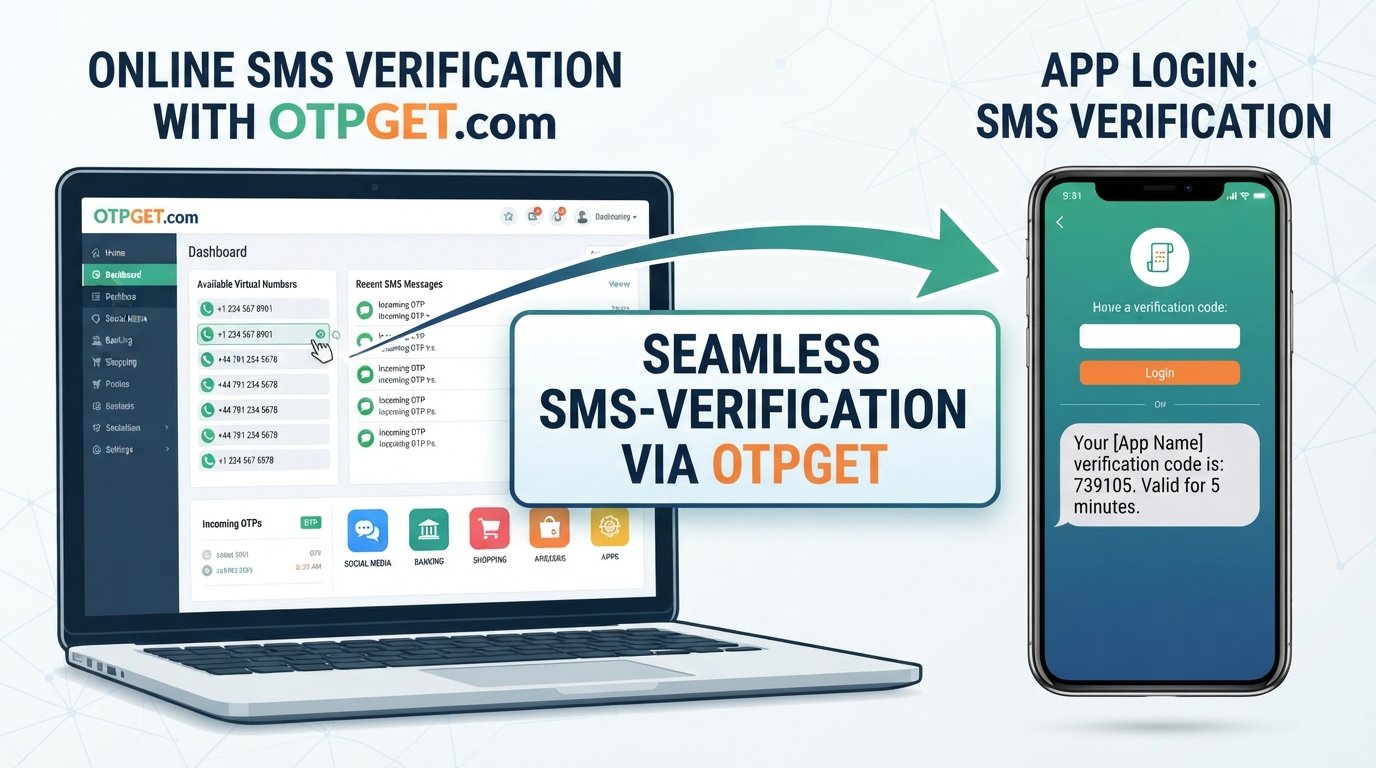
The basic process is straightforward:
- A website or app asks for a phone number.
- You provide an appropriate online number.
- The service sends a verification message.
- The SMS reaches the number through the provider.
- You view the verification code.
- You enter the OTP into the original website or app.
The experience can feel similar to receiving a normal text message, although the number itself is managed differently.
People may use an online phone number for legitimate activities such as account verification, application testing, temporary projects, business workflows, or keeping online registrations separate from personal communications.
However, not every website accepts every type of virtual number. A service may have its own requirements for phone verification, so acceptance should never be assumed.
Why Do People Use Online Numbers for OTP Verification?
There is no single reason people choose a virtual number for OTP verification. Often, it comes down to convenience and separation.
Separating personal and online activity
Using a separate number can help keep verification messages away from your everyday personal communications.
For example, someone working on a temporary online project may not want project-related SMS messages mixed with personal texts. A dedicated number can provide a clearer separation.
Avoiding unnecessary use of a personal number
Some users prefer not to provide their regular phone number to every website or service they interact with. An online verification number can offer another option when the service permits it.
This does not mean an online number automatically provides complete privacy or anonymity. Users should still review the policies of both the number provider and the service requesting verification.
Convenience
An online number can be useful when receiving an SMS is more convenient through an online dashboard or similar interface.
Instead of switching between different devices or managing another physical SIM, users can access supported verification messages through their chosen provider.
Managing verification messages
A dedicated SMS-enabled number can also make it easier to distinguish verification codes from personal messages.
This can be particularly useful for testing, temporary projects, or other legitimate workflows that involve repeated account or phone verification.
How Does OTP Verification Work?
OTP stands for one-time password. It is a temporary verification code used to confirm that a person has access to a particular phone number or another verification channel.
The process usually looks like this:
- A service requests a phone number.
During registration or another verification step, the website or app asks for a number. - The user provides an appropriate number.
This may be a personal mobile number or an online number, depending on what the service permits. - The service sends an OTP.
The verification system generates a code and sends it through SMS. - The SMS arrives.
If the number supports the required messaging service, the verification code appears through the number provider. - The user enters the code.
The OTP is entered into the original website or application. - Verification is completed.
If the number and code are accepted, the service completes its verification step.
This is the basic idea behind SMS verification. The exact experience can vary depending on the service, its verification policies, and the type of number being used.
How to Get an Online Number for OTP Verification
Getting an online number for verification does not need to be complicated. The exact interface depends on the provider, but the general workflow is similar.
1. Choose a suitable online-number provider
Start by looking for a provider that offers numbers appropriate for your intended verification use.
Consider factors such as SMS availability, usability, pricing transparency, number duration, and the provider's policies.
OTPGET can be considered as part of this step for users looking for an online number for OTP verification.
2. Select the required number or service
Depending on the provider, you may need to select a number and, where applicable, the intended service or verification purpose.
Choose an option that matches the legitimate activity you plan to perform.
3. Obtain the number
Once you have selected an appropriate option, obtain the online number through the provider's normal process.
Keep any access information associated with the number private.
4. Enter the number on the legitimate service
Return to the website or application that requested phone verification and enter the online number where permitted.
Do not assume that every platform accepts virtual or temporary numbers.
5. Wait for the verification SMS
After submitting the number, the service may send an SMS containing an OTP code.
The arrival time can depend on the service and the number provider.
6. Retrieve the OTP
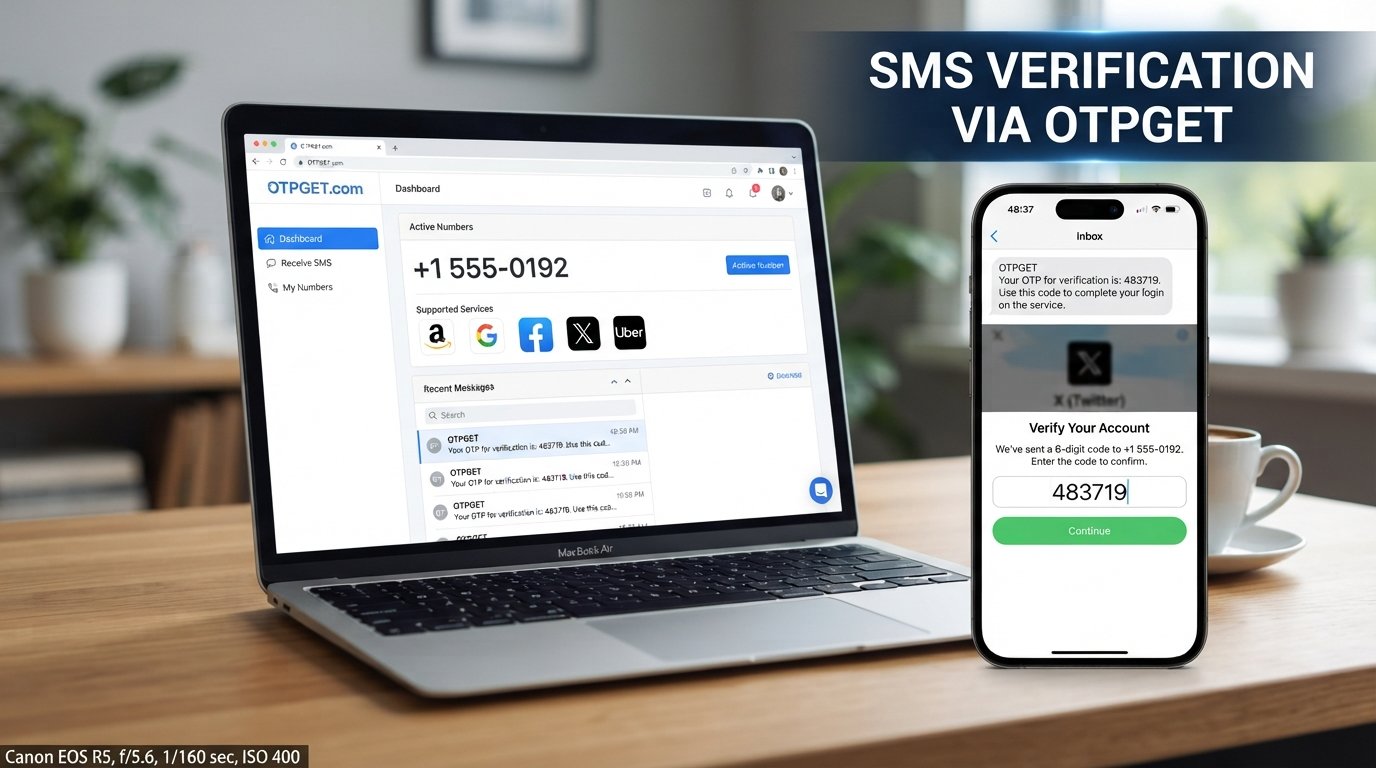
If the SMS is received successfully, view the verification message through the provider's available interface.
Treat the code as sensitive information.
7. Enter the OTP into the original service
Return to the verification screen and enter the received code.
If the service accepts the number and OTP, the phone verification process should complete.
Why Consider OTPGET for Online OTP Verification?
For someone who needs an online number for OTP verification, the main value of a service such as OTPGET is having a practical way to obtain and use an online number for appropriate verification workflows.
OTPGET can be a practical option for users who want to keep verification activity separate from their personal phone number.
Instead of treating an online number as a complicated technical setup, users can approach it as a dedicated tool for receiving supported verification messages.
Potentially useful benefits include:
- Convenient access to online numbers: A dedicated online-number service can simplify the process of obtaining a number for an appropriate verification task.
- Simpler OTP receiving: When SMS reception is supported, the verification code can be accessed through the provider rather than relying on a personal mobile number.
- Separation from personal communications: A separate number can help keep online verification activity distinct from everyday messages.
- Practical workflows: Online numbers can be useful for legitimate testing, temporary projects, registrations where permitted, and other situations that require phone verification.
- Straightforward approach: A dedicated service can make the process easier to understand than managing multiple physical numbers.
The important point is to use OTPGET appropriately. The service you are verifying with still determines whether a particular online number is acceptable. Users should follow the terms and verification policies of the relevant website or application.
What to Look for in an Online OTP Verification Number
Choosing an online verification number involves more than simply finding a number that can receive SMS.
Consider these factors before making a choice:
Number availability
Make sure the provider offers numbers suitable for your intended use. Availability can vary depending on location, service, and demand.
SMS receiving capability
If your goal is to receive OTP codes, SMS reception is essential. Check that the selected number supports incoming verification messages.
Ease of use
A clear process for obtaining the number and accessing incoming messages can save time, particularly for users who are not technically experienced.
Transparency
Look for straightforward information about how the service works, applicable charges, number duration, and usage conditions.
Reliability
Consider whether the service provides a consistent user experience for receiving supported messages. Avoid assuming that any provider can guarantee delivery from every website.
Supported services
Different websites have different verification systems. Before using a virtual number, check whether the target service permits that type of number.
Number duration
Some numbers may be intended for temporary use, while others may be available for longer periods. Understand the access period before relying on a number for an ongoing account.
Appropriate usage policies
A reputable approach starts with responsible use. Make sure your intended activity follows the rules of the number provider and the website or app you are verifying with.
Online Number vs. Personal Phone Number for OTP Verification
Both options can have a place depending on the situation.
| Consideration | Online Number | Personal Phone Number |
|---|---|---|
| Privacy considerations | Can help separate online activity from personal communications | Directly connected to your personal mobile service |
| Convenience | Useful when online access to SMS is preferred | Familiar and straightforward |
| Separation | Keeps some verification messages separate | Verification messages arrive with personal SMS |
| Control | Depends on the provider and number type | Usually directly controlled by the owner |
| Long-term access | Depends on the number arrangement | Generally intended for ongoing personal use |
| Best suited to | Appropriate temporary, testing, or separate online workflows | Personal accounts and services requiring a regular mobile number |
Neither option is universally suitable. The right choice depends on the service's requirements and how you intend to use the number.
Common Uses of Online Verification Numbers
An online SMS number can support several legitimate scenarios.
Application testing
Developers and testers may need phone numbers when testing registration and verification flows. Using a dedicated number can help keep test messages separate from personal communications.
Permitted account registration
Some websites and services allow virtual numbers during registration. Where permitted, an online verification number can provide an alternative to a personal number.
Business workflows
A business may use separate numbers for specific online processes, particularly when multiple people or workflows need access to verification messages.
Temporary projects
Short-term projects can sometimes benefit from a dedicated number rather than adding temporary activity to a personal phone.
Separating personal and online communication
For people who regularly interact with online services, a separate number can help organize verification messages without mixing them with personal texts.
The key is always appropriate use. An online number should not be used to bypass restrictions, defeat anti-abuse systems, impersonate another person, or create fraudulent accounts.
Tips for Using an Online Number Safely
An OTP is more than an ordinary text message. It may be part of an account's authentication process, so handle it carefully.
Keep these practices in mind:
- Follow service terms: Use an online number only where the relevant website or app permits it.
- Never share OTPs unnecessarily: Treat verification codes as sensitive information.
- Avoid fraud or impersonation: Do not use online numbers to misrepresent your identity or conduct unauthorized activity.
- Understand number duration: Know whether your number is temporary, reusable, or subject to access limitations.
- Use reputable providers: Review the provider's information and policies before relying on its service.
- Check compatibility: A website may reject certain virtual or temporary numbers.
- Protect account access: If a number is connected to an important account, understand how losing access to that number could affect future verification.
These simple precautions can make the experience more predictable while reducing avoidable security and account-access problems.
Frequently Asked Questions
What is an online number for OTP verification?
An online number for OTP verification is a phone number provided through an online service that can receive SMS messages where supported. It can be used for legitimate verification purposes when the target service accepts that type of number.
Can I receive OTP codes online?
Yes, you can receive OTP codes online when the number provider supports incoming SMS and the website or application accepts the number. The exact process varies between providers and services.
How does a virtual number receive SMS verification codes?
A virtual number receives SMS through the infrastructure provided by its online-number service. When a supported service sends a verification message, the SMS may appear through the provider's online interface.
Is an online number the same as a regular phone number?
An online number can function as a phone number for supported communications, but the way it is provided and managed differs from a traditional mobile number connected to a physical SIM.
Can every website accept an online verification number?
No. Websites and applications can set their own verification requirements, and some may not accept virtual or temporary numbers. Always check the relevant service's policies.
Why would someone use OTPGET for OTP verification?
OTPGET can be useful for users who need an online number for an appropriate verification workflow. It can provide a practical way to separate verification activity from a personal phone number where the target service permits online numbers.
What should I check before choosing an online number?
Check SMS receiving capability, number availability, duration, pricing information where applicable, ease of use, supported services, provider policies, and whether the target website permits virtual numbers.
Final Thoughts
An online number for OTP verification can be a useful alternative when you need to receive a verification message without using your everyday personal number. It can help with legitimate activities such as application testing, permitted registrations, temporary projects, and separating online verification from personal communications.
The process is generally simple: choose an appropriate number, enter it on a service that permits virtual numbers, receive the verification SMS, and enter the OTP where requested.
For users exploring this approach, OTPGET can be a practical option to consider. The most important step is to choose a number that fits your intended use and to follow the terms and policies of both the provider and the service requesting verification.
If an online number fits your legitimate verification needs, explore OTPGET to see whether its available options suit your workflow.
:::