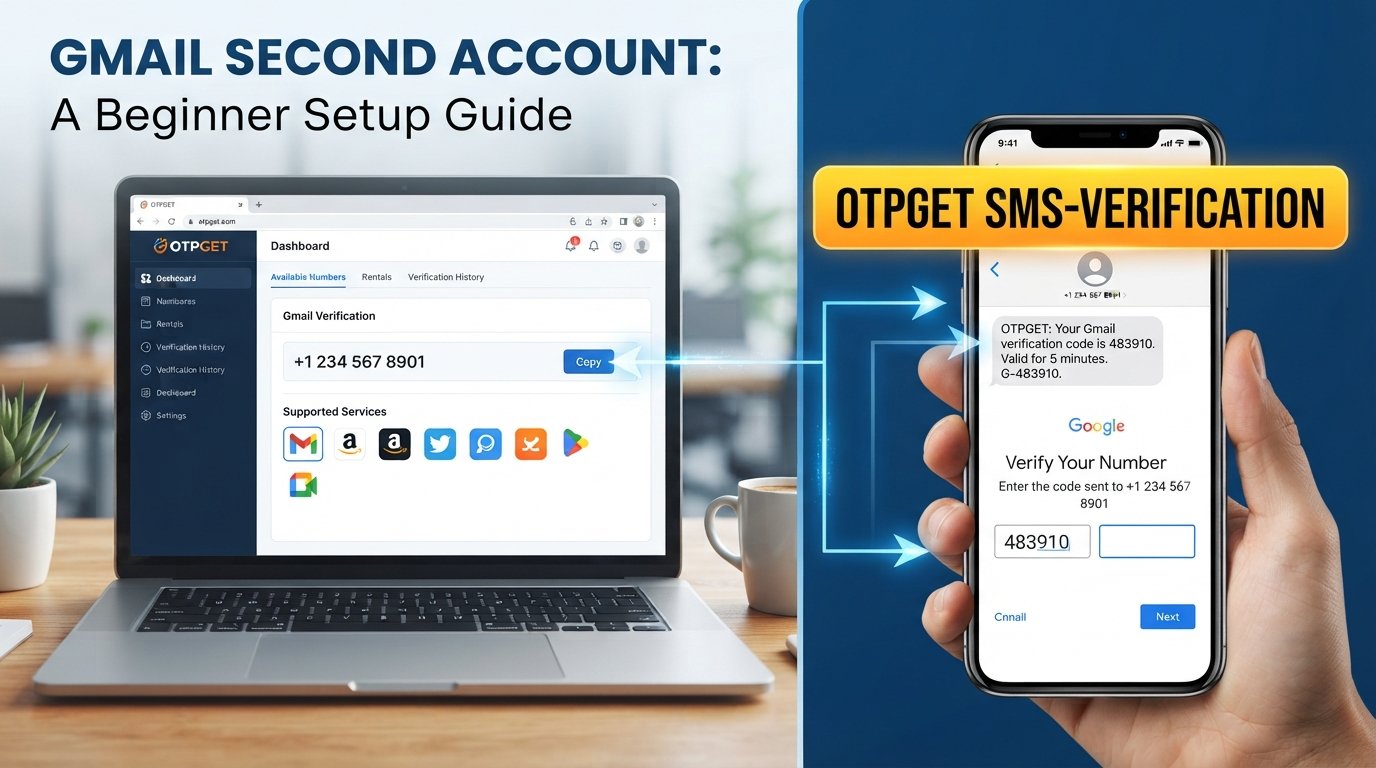
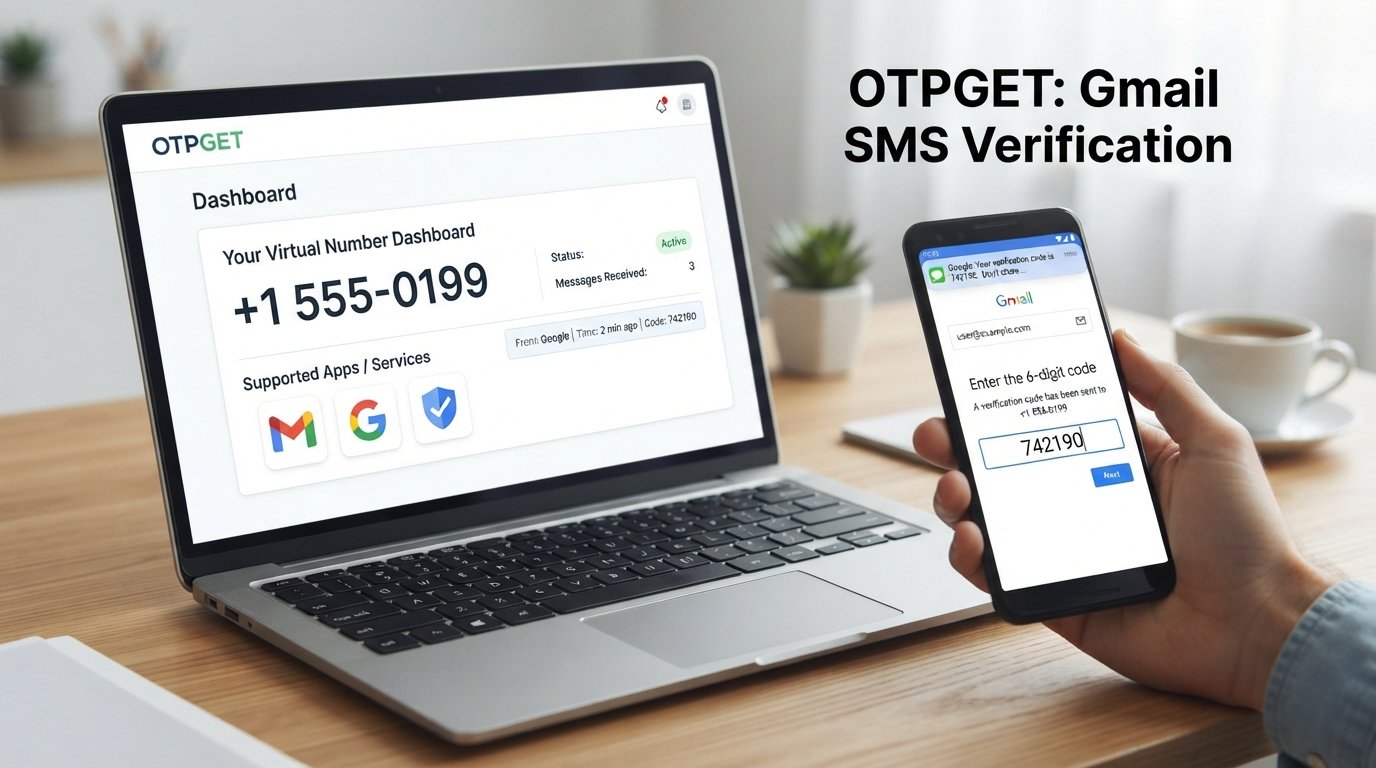
Searching for OptGet? Visit OTPGet.com for OTP Verification
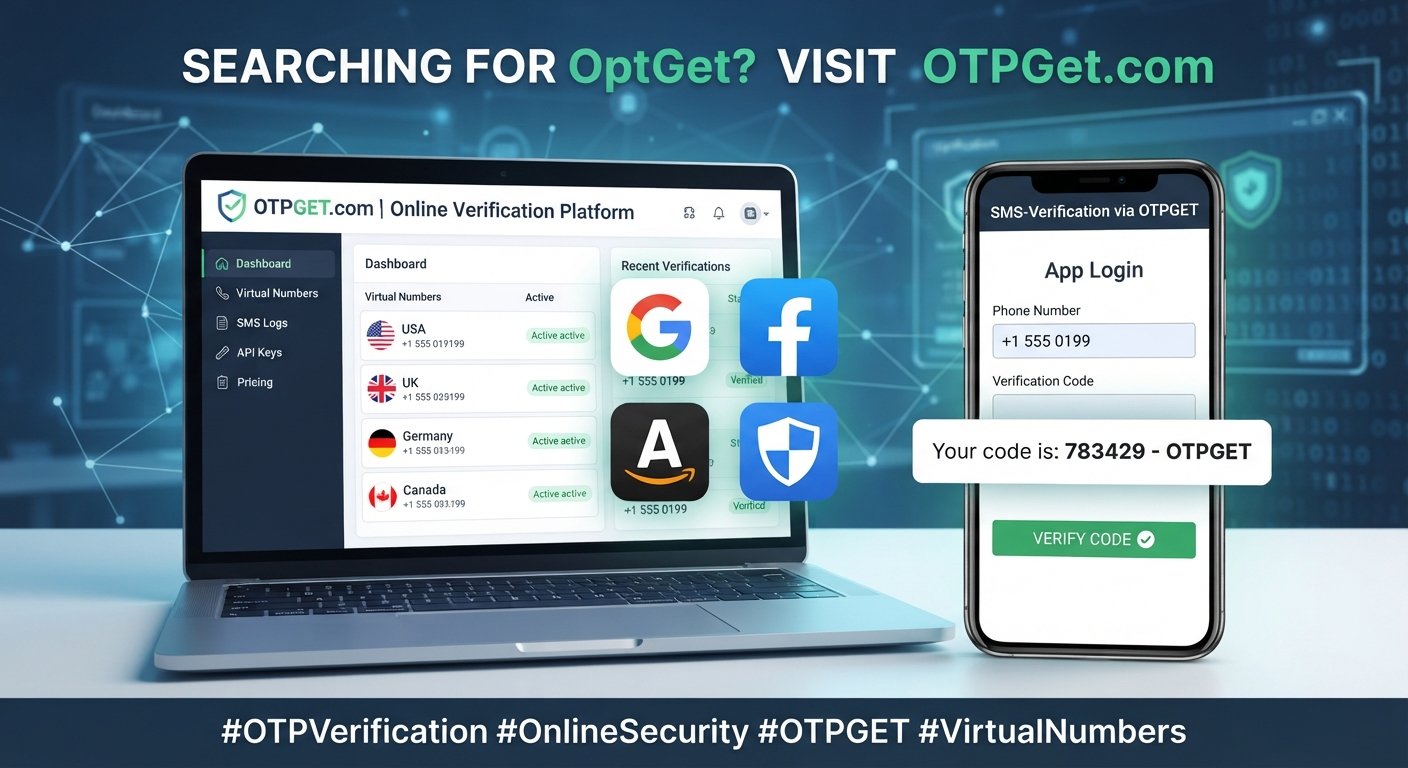
Searching for OptGet? Visit OTPGet.com
Searching for OptGet and trying to find the right website? If your search is related to OTP verification, virtual phone numbers, SMS verification, or online phone verification, OTPGET is the destination to explore. Visit OTPGet.com to learn more about the platform and the verification options available.
Search terms can sometimes be confusing, especially when a brand name and a service-related keyword look similar. If “OptGet” brought you here, the key name to remember is OTPGET.
This guide explains what the OptGet search may mean, how OTP verification works, why people use verification services, and where OTPGET fits into that process.
What Is OptGet?
OptGet is a search term people may use when looking for a website or service connected with OTP verification and online phone verification.
The spelling can create uncertainty. Someone may search for “OptGet,” “OTPGet,” “OTPGet.com,” or related phrases such as “OTP verification service” and “receive OTP online.” These searches can all reflect the same basic need: finding a convenient way to explore OTP and verification services.
If OptGet is the term you searched for, OTPGET is the brand and destination you should know.
Rather than guessing between similarly named websites, start with OTPGet.com and review the available information directly.
Looking for OptGet? Here's Where to Go
If your search led you to the term OptGet, the next step is straightforward: visit OTPGet.com.
OTPGET is positioned around online verification, including OTP and SMS-based verification use cases. Its website provides information about available services and options for users who need virtual numbers or verification-related tools.
The distinction is simple:
-
OptGet is the search term you may have entered.
-
OTPGET is the brand to look for.
-
OTPGet.com is the website to explore.
That makes OTPGet.com a useful starting point when your original search was for OptGet.
What Is OTPGET?
OTPGET is an online platform focused on OTP verification and related virtual-number services. Its documentation describes APIs and workflows for SMS OTP, number rentals, and other verification-related functions.
For a visitor, the important point is that OTPGET is designed around the practical requirements of receiving verification messages through supported services.
Depending on the workflow, OTP verification can involve a temporary or virtual phone number receiving a one-time code by SMS. For developers, verification services can also be relevant when building or testing applications that require phone-based authentication.
The exact availability of services, numbers, countries, and other options can change, so users should check OTPGet.com directly for current information rather than relying on outdated third-party descriptions.
Why People Search for OTP Verification Services
Phone verification is common across websites and applications. A service may ask for a verification code to confirm that a phone number is accessible or to add another step to an account-registration or authentication process.
People may search for an OTP service for several legitimate reasons, including:
-
Testing registration and verification flows during software development
-
Conducting quality assurance for applications
-
Confirming phone-based workflows
-
Testing SMS delivery and verification logic
-
Keeping personal and testing numbers separate
-
Working with applications that support virtual-number verification
For businesses and developers, OTP verification can also be part of a broader authentication workflow. A one-time password provides a temporary code that can be entered during a verification step.
The appropriate use of any verification service depends on the rules of the website or application involved. Users should always follow those rules and avoid using verification tools to bypass restrictions or gain unauthorized access.
How OTP Verification Works
The basic OTP verification process is easy to understand.
-
A phone number is entered.
The user provides a number as part of a website or application verification process. -
A verification request is initiated.
The service generates a request for a one-time password. -
An OTP is sent.
The verification code is delivered through SMS or another supported channel. -
The user enters the code.
The received verification code is submitted to the website or application. -
Verification is completed.
If the code is valid and within its allowed period, the service confirms the verification step.
This is why phrases such as verification code, SMS verification, online OTP, and phone number verification are closely connected.
For developers, an OTP platform can also provide an API-based approach to handling parts of this workflow programmatically. OTPGET's developer documentation describes API endpoints for requesting numbers and checking verification status.
Why Choose OTPGET?
Someone searching for OptGet is usually looking for a clear destination rather than a complicated explanation. OTPGET provides that recognizable destination through OTPGet.com.
There are several practical reasons a visitor may want to explore OTPGET:
A verification-focused platform
OTPGET centers its offering around OTP and verification-related services. That makes it relevant to searches involving online OTP, SMS verification, virtual numbers, and verification codes.
Options for different workflows
Verification needs are not always identical. A developer testing an application may have different requirements from someone completing a one-time verification process. OTPGET's documentation covers SMS OTP and longer-term number rental workflows, giving users information to consider based on their particular use case.
Developer-oriented documentation
For technical users, documentation can be just as important as the service itself. OTPGET publishes API documentation covering authentication, available actions, parameters, and response formats.
That can be useful for developers evaluating how an OTP verification service may fit into an application or testing workflow.
OTPGET for Online Verification
Online verification can involve several different technologies, but SMS-based OTP remains a familiar concept.
An online OTP workflow typically connects a phone number with a verification request. The resulting message contains a temporary code that the user enters into the relevant application or website.
OTPGET is relevant to this category because its platform provides virtual-number and SMS OTP functionality. Its documentation also describes rental-number options and API access for supported workflows.
For developers and technical teams, an OTP service can be useful when testing:
-
Registration forms
-
Login and authentication flows
-
Phone number verification
-
SMS delivery behavior
-
Verification-code handling
-
Automated application testing
The important consideration is to use these tools responsibly. A verification service should support legitimate testing, development, privacy, or account workflows—not attempts to defeat another platform's security or terms.
Searching for OptGet? Start With OTPGET.com
If you originally searched for OptGet, you do not need to keep guessing which spelling or website is correct.
The name to remember is OTPGET, and the website to explore is OTPGet.com.
This is particularly useful if your search was triggered by a need for OTP verification, a virtual number, SMS verification, or an online verification service.
Instead of repeatedly searching variations such as “OptGet login,” “OptGet website,” or “OptGet OTP,” start with OTPGet.com and review the information available there.
The platform's own documentation is the best place to check current service details, technical information, and available verification options.
Tips for Using OTP Verification Responsibly
OTP and phone verification tools can be useful, but responsible use matters.
Keep these basic practices in mind:
-
Never share verification codes with strangers. Treat an OTP like sensitive authentication information.
-
Use services for legitimate purposes. Follow the rules and acceptable-use requirements of the website or application involved.
-
Protect personal information. Avoid unnecessarily exposing personal contact details during testing or verification.
-
Watch for suspicious requests. If someone asks you to forward an OTP, pause and verify why the code is being requested.
-
Use appropriate testing environments. Developers should use verification tools as part of authorized development and QA workflows.
-
Check current service information. Availability and supported options can change, so consult OTPGet.com directly before relying on a particular option.
These habits help keep verification workflows safer and reduce the risk of accidentally exposing account credentials or verification codes.
Frequently Asked Questions
What is OptGet?
OptGet is a search term that may be used by people looking for an OTP or online verification-related service. If you searched for OptGet, the brand to explore is OTPGET, available through OTPGet.com.
Is OptGet the same as OTPGET?
The terms are closely connected in this search context, but they should not be treated as two separate brands without checking the official destination. If “OptGet” is what brought you here, OTPGET is the relevant brand and OTPGet.com is the website to explore.
Where can I find OTPGET?
You can find OTPGET online at OTPGet.com. The website provides information about its verification-related services and technical documentation.
What is OTPGet.com?
OTPGet.com is the website for OTPGET, a platform focused on OTP verification and related virtual-number services. Its documentation includes information about SMS OTP and API-based verification workflows.
What is an OTP verification service?
An OTP verification service helps facilitate one-time-password verification workflows. Depending on the service, a user may receive a temporary verification code through SMS or another supported channel and enter that code into the website or application requesting verification.
How does OTP verification work?
A typical OTP verification process involves entering a phone number, requesting verification, receiving a one-time code, and submitting that code to the relevant website or application. The system then checks the code before completing the verification step.
Why do websites use SMS verification?
Websites may use SMS verification to confirm access to a phone number during registration, authentication, account recovery, or other workflows. It can add a phone-based verification step alongside other authentication methods.
Conclusion
If OptGet was the search you started with, the important destination to remember is OTPGet.com.
OTPGET provides a verification-focused platform for users exploring virtual numbers, SMS OTP, online verification, and related workflows. For developers, its published documentation also provides information about API-based OTP functionality and verification processes.
The simplest next step is to visit OTPGet.com, review the available information, and determine whether the service matches your legitimate verification or development needs.
Searching for OptGet? Start with OTPGet.com and explore OTPGET.