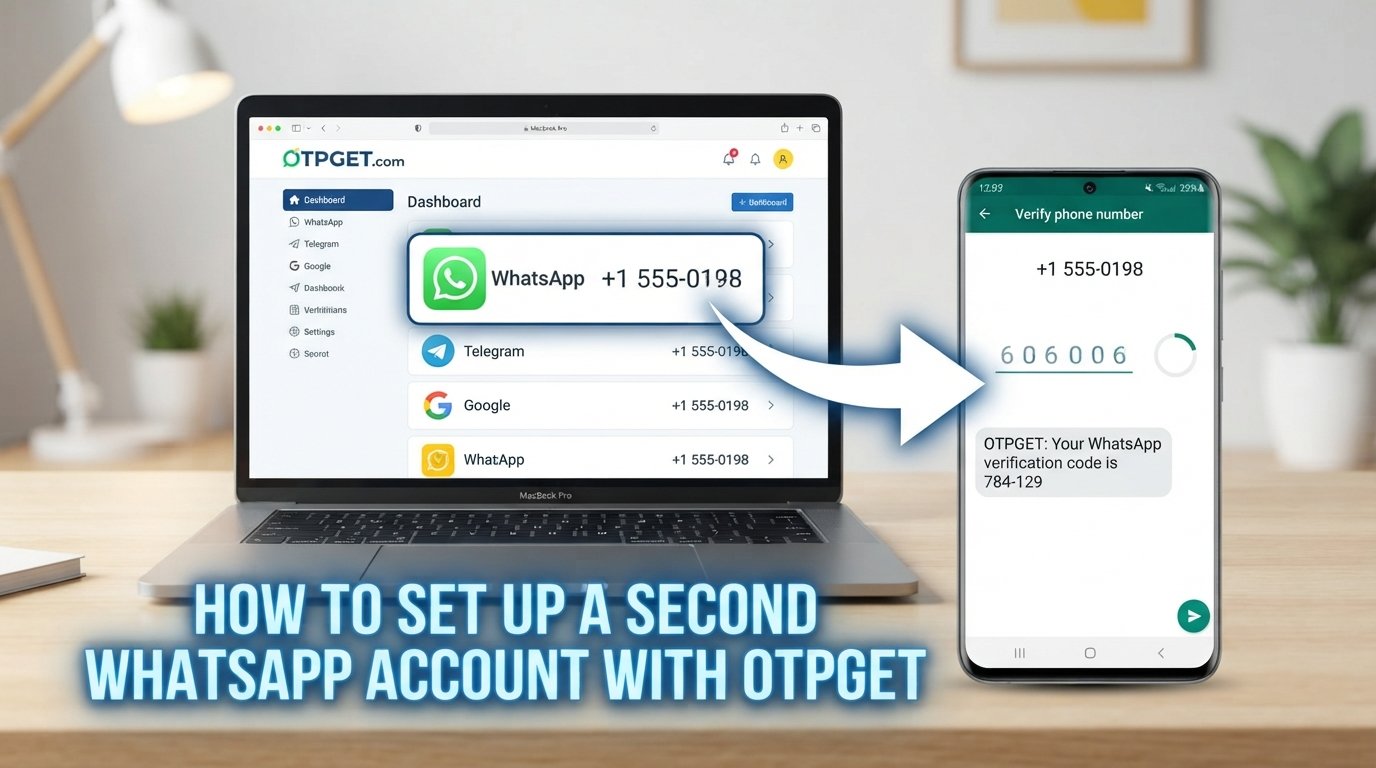
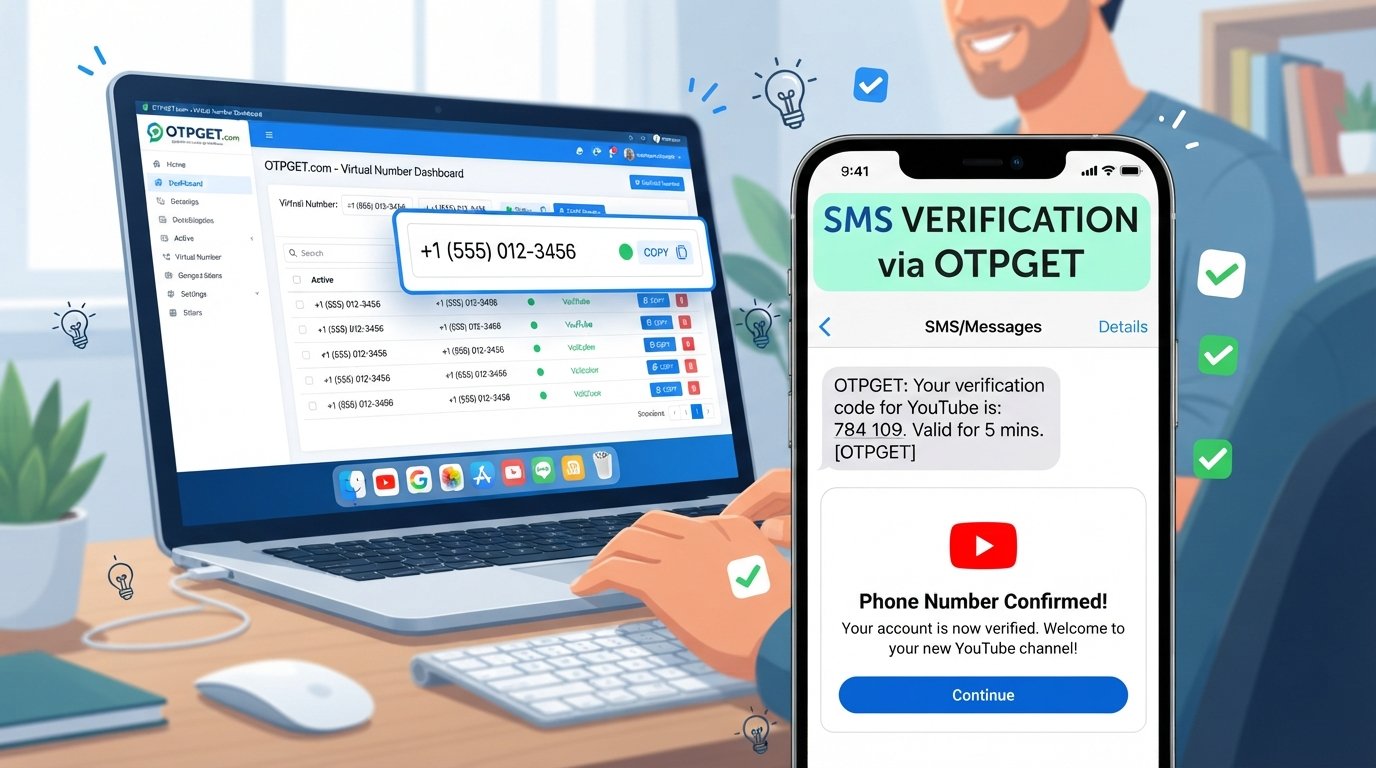
OTPGET Virtual Numbers for OTP Codes: Simple SMS Verification
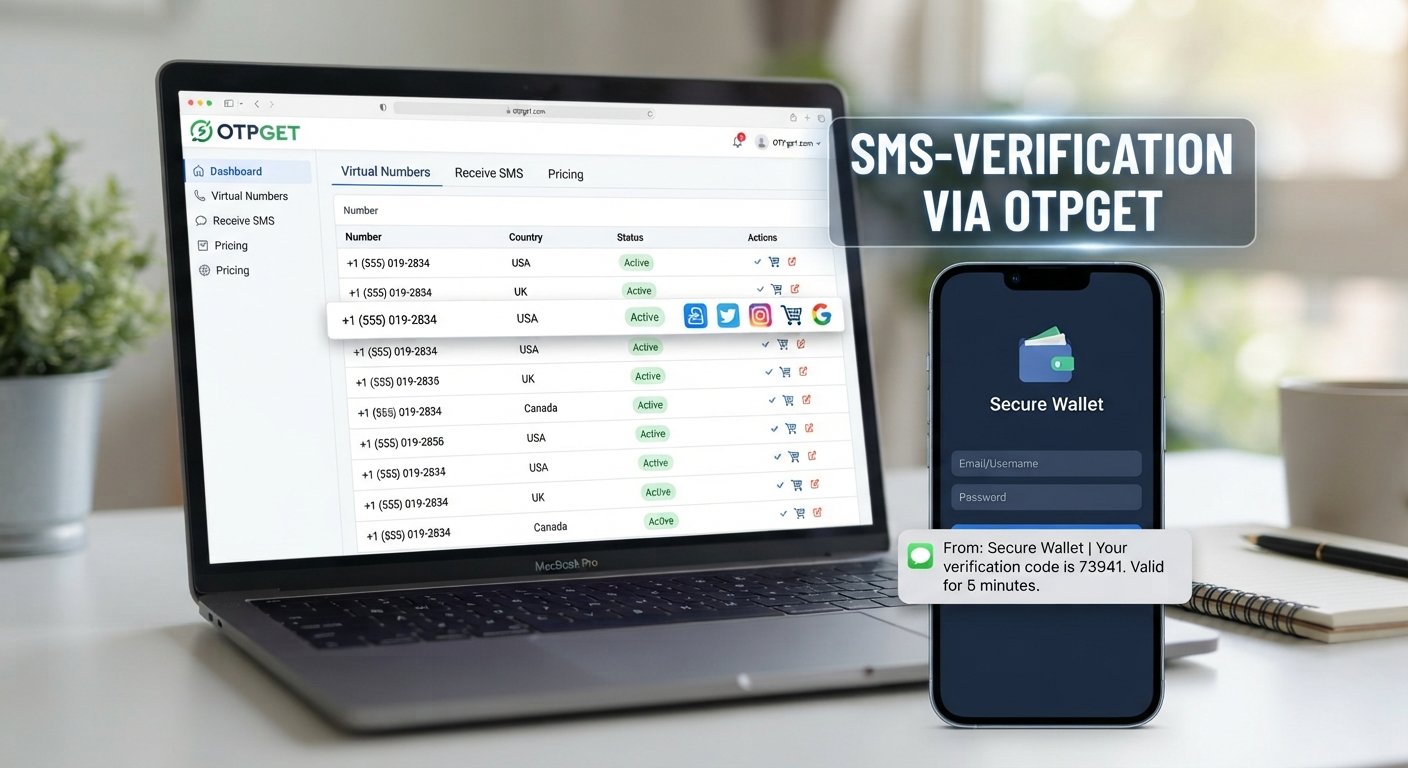
OTPGet (OptGet) – Virtual Numbers for OTP Codes
Online verification has become a routine part of signing up for services, accessing applications, testing websites, and completing account workflows. One of the most common methods is OTP verification, where a service sends a one-time password or verification code by SMS to a phone number.
For many people, using a personal mobile number for every verification request is not always convenient. Verification messages can become mixed with personal texts, while some users simply prefer to keep their primary number separate from online activities.
That is where virtual numbers for OTP can be useful. A virtual phone number can provide an alternative way to receive SMS-based verification codes without relying on a primary personal number for every workflow.
OTPGET is positioned around this practical need, giving users a way to work with virtual numbers for legitimate OTP and SMS verification purposes. In this guide, we will explain what virtual numbers are, how OTP verification works, how OTPGET can fit into the process, common use cases, and what to consider before choosing a virtual number.
What Is OTPGET?
OTPGET, also referred to as OTPGet or OptGet, is associated with the use of virtual numbers for receiving OTP and SMS verification codes.
The basic idea is straightforward. Instead of providing a personal mobile number for an online verification workflow, a user can use an eligible virtual number and receive the verification message through the relevant virtual-number service.
This can make certain verification workflows easier to manage, particularly when users want to separate online verification messages from their everyday communications.
A virtual number can potentially be useful for:
- Receiving SMS verification codes
- Managing separate verification workflows
- Testing SMS-based account processes
- Keeping verification messages separate from personal texts
- Handling legitimate online services that require phone verification
The exact availability and compatibility of a virtual number can depend on the service sending the OTP, so users should always check whether the number type is accepted before relying on it for an important verification process.
What Is a Virtual Number for OTP Verification?
A virtual phone number is a phone number that is not necessarily tied to a traditional physical SIM card in the same way as a personal mobile number. Depending on the provider and setup, it can be used to receive communications such as SMS messages.
For OTP verification, the process is relatively simple.
Suppose a website asks you to verify a phone number. Instead of entering your personal mobile number, you use an eligible virtual number. The website sends an SMS containing a one-time password. If the message reaches the virtual number, you can access the verification code and enter it into the website.
This is commonly described as receive OTP online or receive SMS online.
Virtual numbers can have several legitimate applications. Developers may use them while testing SMS-based authentication. QA teams may need numbers for website or application testing. Businesses may need separate numbers for operational workflows. Individual users may want an alternative number for certain online verification tasks.
However, a virtual number is not automatically accepted everywhere. Some services restrict temporary, VoIP, or virtual numbers, making compatibility an important consideration.
Why Use a Virtual Number for OTP Codes?
There are several practical reasons someone may choose a virtual number instead of using a personal phone number.
Separation From a Personal Number
A virtual number can keep verification-related messages separate from personal SMS conversations. This can make online verification activity easier to organize.
Convenience
When an online service requires an SMS OTP, having access to a suitable virtual number can provide an alternative to using a primary mobile number.
Privacy Considerations
Some users prefer not to provide their personal number to every website or application they use. A virtual number may provide additional separation, although it should not be treated as a guarantee of anonymity or complete privacy.
Testing and Development
Developers and QA teams frequently need realistic ways to test SMS verification and account-verification flows. A virtual number can be useful when a test environment needs to receive an actual verification code.
Less SMS Clutter
Using a separate number for verification workflows can help prevent one-time codes and service notifications from filling a personal messaging inbox.
Managing Different Workflows
For legitimate business, testing, or personal use cases, separate numbers can make different verification activities easier to manage.
How OTP Verification Works
OTP verification is designed to confirm that a user has access to a particular communication channel, such as a phone number.
The basic process usually looks like this:
- A service requests a phone number.
During registration, login, or another workflow, the service asks for a number that can receive SMS. - The user provides an eligible number.
This may be a personal mobile number or, where supported, a virtual number. - The service sends an OTP.
The platform generates a temporary verification code and sends it by SMS. - The message reaches the number.
If the number is compatible with the service and SMS delivery works correctly, the verification message is received. - The user enters the code.
The OTP is entered into the website or application requesting verification. - Verification is completed.
If the code is correct and has not expired, the service completes its verification process.
An OTP is generally intended for one-time use and may expire after a limited period. Delivery speed and successful receipt can depend on both the verification service and the number provider.
How OTPGET Can Help With SMS Verification
For users looking for a virtual number for verification, OTPGET can serve as a practical option for obtaining a number intended for SMS and OTP workflows.
Instead of relying on a personal phone number for every verification request, users can consider a virtual number when the relevant service allows that type of number.
This can simplify certain workflows by creating separation between personal communications and online verification activity.
Potential advantages include:
- Convenience: A virtual number can provide an alternative route for SMS-based verification.
- Workflow separation: Verification messages can remain separate from personal SMS.
- Flexible use cases: Virtual numbers can be relevant to personal, testing, and business workflows.
- Simplified verification management: A dedicated number can make some online verification processes easier to organize.
The important point is to keep expectations realistic. OTPGET should be considered within the requirements of the specific service being verified. Not every website accepts every type of virtual number, and SMS delivery can depend on factors outside the number provider's control.
Common Use Cases for Virtual Numbers
Personal Online Verification
A user may need an additional number for an online service that requests phone verification. A virtual number can be considered when the service permits its use and the user does not want to use a primary personal number.
App and Website Testing
Developers and QA teams can use virtual numbers when testing registration, login, password recovery, and other workflows that rely on SMS-based authentication.
For example, a development team testing a new sign-up form may need to confirm that an OTP is generated, delivered, displayed correctly, and accepted by the application.
Business and Marketing Workflows
Businesses may need separate numbers for legitimate account workflows, testing environments, service registrations, or operational processes. Using dedicated numbers can help distinguish business verification activity from personal communications.
Temporary Verification Needs
Sometimes a user needs a number for a specific, limited verification task rather than ongoing personal communication. A temporary virtual number can be relevant in situations where the service permits that type of number.
Users should still review the relevant platform's terms and understand how long the number remains available.
Benefits of Using OTPGET for Virtual Numbers
For legitimate OTP and SMS verification workflows, OTPGET can offer a practical approach to using virtual numbers.
Key considerations include:
- Convenience for SMS-based verification workflows
- Separation between personal communications and verification messages
- Practical access to virtual-number options
- Useful testing support for SMS-based application workflows
- Simplified management of certain online verification processes
- Alternative phone-number access when a personal number is not preferred
- Flexible applications across suitable personal, testing, and business scenarios
The right choice ultimately depends on the verification service, the number requirements, and the user's intended purpose.
Things to Consider Before Using a Virtual Number
Virtual numbers can be useful, but they are not universally compatible with every verification system.
Before using one, consider the following:
- Some websites may block virtual numbers. A service can decide which number types it accepts.
- VoIP or temporary numbers may be restricted. Certain platforms apply additional controls to these numbers.
- OTP delivery can vary. Delays or failures may originate from the service sending the message, the telecommunications route, or other delivery factors.
- Number availability can change. A particular number may have limitations depending on its provider and intended use.
- Check service terms. Always make sure the use of a virtual or temporary number complies with the platform's rules.
- Consider account importance. For sensitive accounts, users may prefer authentication methods designed specifically for stronger account security, such as authenticator applications or hardware-based methods where available.
A virtual number should therefore be viewed as a practical verification option, not as a universal replacement for a personal mobile number or stronger authentication methods.
OTPGET vs. Using Your Personal Phone Number
The choice between a personal number and a virtual number depends on the situation. Neither approach is automatically suitable for every verification workflow.
| Factor | Personal Phone Number | Virtual Number with OTPGET |
|---|---|---|
| Separation from personal number | Verification messages arrive on the primary number. | Can provide separation from a personal number. |
| OTP/SMS workflow | Generally straightforward when the service accepts the number. | Can support OTP/SMS workflows where the virtual number is accepted. |
| Convenience | Convenient when the phone is readily available. | Convenient for workflows where a separate number is useful. |
| Testing use cases | May be less practical for repeated testing. | Can be useful for suitable application and website testing. |
| Privacy considerations | Requires sharing the personal number with the service. | May reduce the need to provide a primary personal number, depending on the workflow. |
| Availability | Depends on the user's mobile service. | Depends on the availability of suitable virtual numbers. |
| Service compatibility | Often depends on the service's normal phone-number requirements. | Compatibility can vary because some services restrict virtual numbers. |
The best option depends on what the service requires and why the number is being used.
How to Choose the Right Virtual Number for OTP Verification
Before choosing an online verification number, consider the following factors:
Intended Verification Service
First, determine whether the website or application accepts virtual numbers. This can prevent problems later in the verification process.
SMS Support
If your goal is to receive a verification code, the number needs to support the relevant SMS workflow.
Number Availability
A suitable number needs to be available when you need it. Availability can vary by provider and intended use.
Geographic Requirements
Some services may have country or regional requirements for phone numbers. Check the verification service's requirements before selecting a number.
Service Compatibility
Do not assume that a virtual number accepted by one website will automatically work with another. Compatibility is determined by the individual service.
Number Duration
Consider whether you need the number temporarily or for a longer-running workflow. A temporary number may not be appropriate for an account that requires future SMS access.
Privacy Considerations
Understand how the virtual-number service handles messages and access. Avoid assuming that using a virtual number automatically provides complete anonymity.
OTP Delivery
Reliable verification depends on successful SMS delivery. Consider the potential for delays and whether the verification service supports the number type.
Terms and Acceptable Use
Always use virtual numbers for legitimate purposes and follow the rules of both the number provider and the service being verified.
Is OTPGET Suitable for OTP and SMS Verification?
For users specifically looking for virtual numbers for SMS verification, OTPGET can be a practical solution to consider.
It is particularly relevant for people who want an alternative to using their personal phone number for suitable verification workflows, as well as developers, testers, and businesses working with SMS-based application processes.
The important consideration is compatibility. A virtual number does not guarantee that every website, application, or online service will accept it. Users should check the requirements of the service they intend to verify and choose a number that fits the intended use.
If your goal is legitimate OTP verification, application testing, or managing online verification separately from personal communications, OTPGET provides a focused approach worth exploring.
Frequently Asked Questions About OTPGET and Virtual Numbers
1. What is OTPGET?
OTPGET is associated with virtual numbers used for receiving SMS-based OTP and verification codes. It can be considered by users who need an alternative number for suitable online verification workflows.
2. What is a virtual number for OTP verification?
A virtual number is a phone number that can be used for supported communications without necessarily being tied to a traditional personal SIM-based setup. For OTP verification, it can receive an SMS containing a verification code when the relevant service accepts that number.
3. Can I receive OTP codes online?
Yes, OTP codes can be received online when a compatible virtual number and verification service support SMS delivery. The exact process depends on the provider and the service sending the code.
4. How does SMS verification with a virtual number work?
The user provides an eligible virtual number to the service. The service sends an SMS OTP to that number, and the user enters the received code into the relevant verification field.
5. Why use a virtual number instead of a personal phone number?
A virtual number can provide separation from a personal number, reduce verification-related SMS clutter, and support certain testing or online verification workflows. It does not guarantee anonymity or acceptance by every service.
6. Can virtual numbers be used for app testing?
They can be useful for testing applications that rely on SMS-based authentication, provided the testing environment and service permit the use of virtual numbers.
7. Do all websites accept virtual numbers?
No. Some websites and applications may restrict virtual, temporary, or VoIP numbers. Compatibility should always be checked before starting an important verification process.
8. What should I check before using a virtual number for verification?
Check whether the service accepts virtual numbers, whether SMS is supported, whether geographic restrictions apply, how long the number is available, and whether its use complies with the service's terms.
Conclusion
OTP verification is now a common part of online account and application workflows, but using a personal phone number for every verification request is not always convenient. Virtual numbers for OTP provide an alternative approach when the relevant service supports them.
OTPGET can be useful for people looking for a practical way to work with virtual numbers for SMS and OTP verification. It can also fit legitimate testing, business, and temporary verification scenarios where separating online verification from a personal number makes sense.
At the same time, users should consider compatibility, SMS delivery, number availability, privacy expectations, and service terms before choosing a virtual number.
If you need a virtual number for OTP, OTPGET is worth exploring as part of your verification workflow. Choose the number and setup based on the requirements of the service you intend to use, and keep the purpose of the verification legitimate and appropriate.