Phone OTP API: A Practical Guide to Secure Automated Verification
Phone OTP API: A Guide to Automated Verification
Introduction
A phone number is often one of the simplest ways to confirm that a user is real and has access to a particular device. From creating an account to recovering a password, businesses increasingly need a reliable way to verify phone numbers without making the process complicated for users or developers.
That is where one-time passwords, commonly called OTPs, come in.
An OTP is a temporary verification code that can be sent to a user's phone and checked before an application completes an action. When this process is connected to an API, businesses can automate phone verification directly inside their websites, mobile applications, and digital platforms.
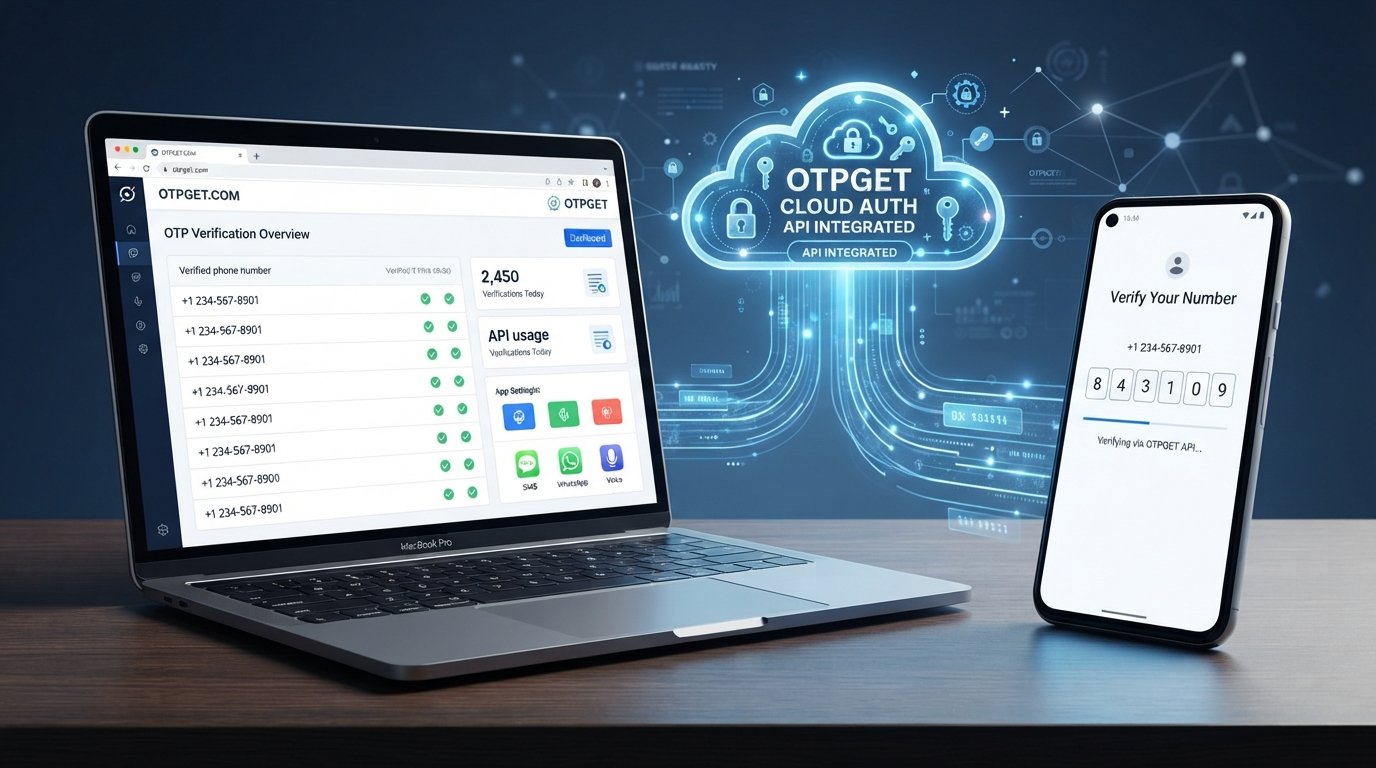
A Phone OTP API provides the infrastructure needed to create an automated verification workflow. Instead of building every part of the process manually, developers can connect their application to an OTP service and use an API-driven workflow for sending and verifying codes.
This can support account registration, login verification, password recovery, transaction confirmation, customer onboarding, and two-factor authentication.
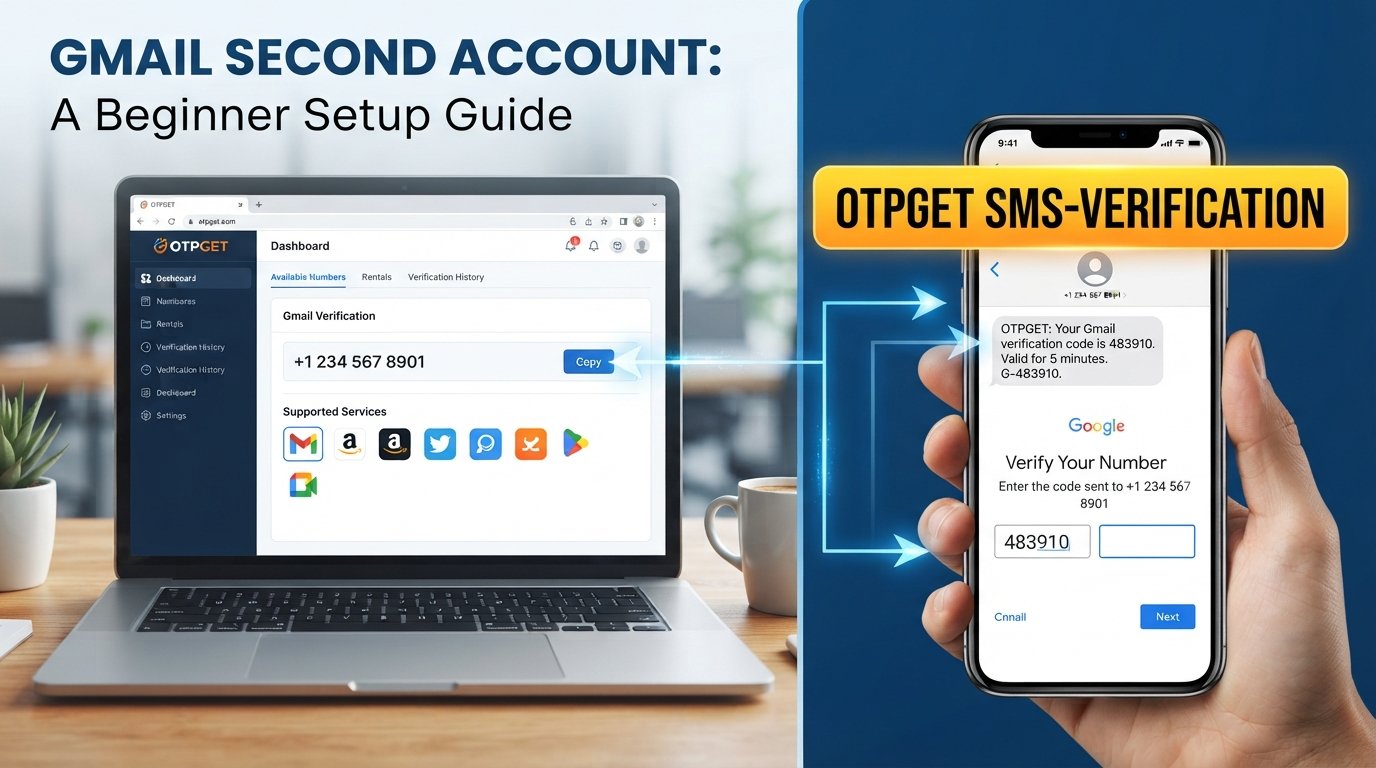
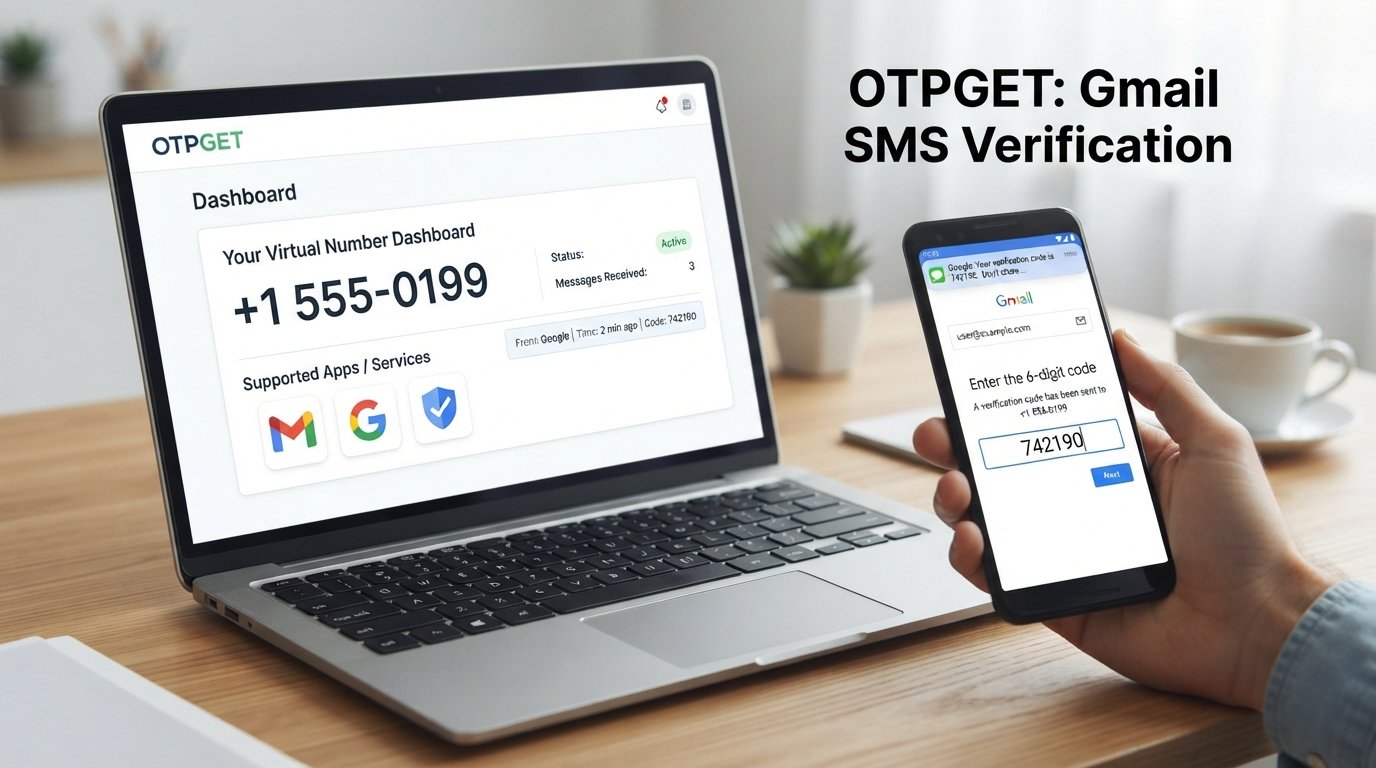
For businesses looking to simplify this process, OTPGET provides a practical solution for automated OTP verification and phone number verification through an API-driven approach.
[Internal Link: Phone Verification]
What Is a Phone OTP API?
A Phone OTP API is a software interface that allows an application to send and verify one-time passwords associated with a user's phone number.
OTP stands for one-time password. Unlike a permanent password, an OTP is designed for temporary use. A user receives a code, enters it into an application, and the system checks whether the code is valid.
A typical OTP verification API handles the communication between an application and the verification system. This allows developers to add phone verification without designing the entire verification infrastructure from scratch.
Depending on the implementation, an OTP API can support workflows such as:
- Sending an OTP to a phone number
- Verifying a submitted OTP
- Supporting mobile number verification
- Connecting authentication to an existing application
- Automating SMS OTP verification workflows
An SMS OTP API is particularly useful when businesses want to deliver verification codes through text messages. Developers can integrate the process into registration, login, account recovery, or other authentication flows.
[Internal Link: OTP API]
How Does Phone OTP Verification Work?
Although the technical implementation can vary, the basic workflow is straightforward.
1. The user enters a phone number
The user provides a phone number during registration, login, account recovery, or another verification process.
2. The application sends the request
The application sends the phone number and relevant verification request to the OTP API.
3. The verification system generates an OTP
The verification service creates a temporary one-time password associated with the verification request.
4. The OTP is delivered
The code is sent to the user's phone, typically through an SMS-based verification workflow.
5. The user enters the code
The user enters the received OTP into the application.
6. The application verifies the code
The application sends the submitted code for verification. If the code is valid and meets the configured verification conditions, the application can proceed.
7. The requested action is completed
The user can then continue with registration, login, account recovery, or another protected action.
This automated approach is one of the main reasons businesses use an OTP verification API instead of handling phone verification manually.
Why Businesses Use OTP Verification
Phone verification can serve several purposes within an application.
Account Security
An OTP can add another layer of protection around sensitive account actions. A user may need to prove access to a particular phone number before completing an authentication step.
OTP verification should not be treated as a complete security solution by itself, but it can be a useful component of a broader authentication strategy.
User Verification
Businesses can use phone number verification to confirm that a user has access to the number they provided.
This can be particularly useful during account creation and onboarding, where verifying contact information is an important part of the user journey.
Account Recovery
OTP verification can support password-reset and account-recovery workflows. Rather than relying only on a password, an application can use a verified phone number as one part of the recovery process.
Fraud Reduction
Phone verification can help reduce some forms of fake or automated account creation by adding a verification step.
It does not eliminate fraud, and businesses should combine it with appropriate security controls and monitoring.
Better User Experience
Automated verification can reduce manual steps. When the process is designed well, users can receive a code, enter it, and continue without waiting for a manual review.
Key Benefits of Using an OTP API
An API-based verification system can provide several practical advantages.
Automation: Verification can happen automatically as part of an application's existing workflow.
Faster verification: Users can receive and submit a temporary code without waiting for manual confirmation.
Developer-friendly integration: An API allows developers to connect verification functionality to websites, mobile applications, and other software.
Scalable workflows: As an application grows, automated verification can be incorporated into larger authentication workflows without relying on manual processes.
Reduced manual work: Businesses can automate repetitive verification tasks instead of handling each request individually.
Consistent authentication: An OTP API can provide a standardized verification process across different parts of an application.
Flexible integration: Businesses can incorporate phone verification into registration, login, recovery, onboarding, and other user journeys.
Together, these benefits make an OTP service useful for applications where phone-based authentication is an important part of the customer experience.
[Internal Link: SMS API]
What to Look for in a Phone OTP API
Choosing a verification provider requires more than simply finding an API that can send a code. Businesses should consider how the service fits into their technical and operational requirements.
Easy API Integration
Clear documentation and a straightforward API structure can make implementation significantly easier.
Developers should understand how requests are made, how responses are returned, how errors are handled, and how verification states are managed.
A simple integration can reduce unnecessary development effort and make future maintenance easier.
Reliability
OTP delivery is closely connected to the user experience. If a verification code does not arrive when expected, a user may abandon registration or become frustrated during login.
Businesses should therefore evaluate the reliability of an OTP verification service and consider how it handles delivery failures and verification requests.
Security
Verification codes, API credentials, phone numbers, and related user information should be handled carefully.
Businesses should use secure communication, protect API credentials, restrict unnecessary access, and avoid exposing sensitive verification information in application logs.
Scalability
The requirements of a small application may differ from those of a platform processing large numbers of verification requests.
Businesses should consider whether an OTP service can accommodate their expected verification volume and evolving application requirements.
Developer Experience
Documentation, testing support, predictable API responses, error handling, and integration simplicity all matter.
A developer OTP API should make it clear how to implement common verification workflows rather than forcing developers to guess how different responses should be handled.
Cost Efficiency
Price should be evaluated against expected verification volume and business requirements.
The cheapest option is not necessarily the most suitable if it creates additional development or operational problems. Businesses should assess the complete cost of integrating and maintaining their verification system.
How OTPGET Simplifies Phone Verification
For businesses searching for a practical Phone OTP API, OTPGET can provide an API-driven approach to automated phone verification.
The goal of using a service such as OTPGET is to make phone-based verification part of an application's existing workflow rather than treating it as a separate manual process.
With OTPGET, developers can integrate OTP verification into application experiences where users need to confirm access to a phone number. This can support workflows involving:
- Automated OTP verification
- Phone number verification
- SMS-based verification
- API-based authentication
- Customer onboarding
- User authentication
- Account verification
- Verification-focused application workflows
The benefit of an API-driven model is that developers can connect verification to the application logic they already use. A registration form, for example, can initiate verification after a user submits a phone number. A protected action can require successful OTP verification before continuing.
OTPGET can therefore be considered by businesses that want to streamline phone verification without building every verification component independently.
The exact implementation will depend on the application's requirements, but the underlying concept remains simple: connect the application to a verification API, initiate the OTP workflow, receive the user's submitted code, and complete the verification process.
[Internal Link: OTPGET Documentation]
Common Use Cases for Phone OTP APIs
Phone OTP APIs can be useful across many types of digital products.
User Registration
A business can verify a phone number during account creation before allowing a new user to complete registration.
Login Verification
An application can use OTP authentication as an additional verification step during login.
Password Reset
A verified phone number can be used as part of an account-recovery workflow.
E-commerce Accounts
Online stores can use mobile number verification during account creation or selected account actions.
Financial Applications
Applications handling sensitive financial activities may use additional authentication steps, subject to their broader security requirements.
SaaS Applications
Software platforms can incorporate phone verification into user onboarding, authentication, or account recovery.
Customer Onboarding
Businesses can verify contact information before activating certain customer accounts or services.
Delivery Platforms
Delivery and marketplace applications can use phone verification as part of account registration and user communication workflows.
Mobile Applications
Mobile apps can integrate an OTP verification API directly into registration and authentication experiences.
Two-Factor Authentication
OTP can serve as one component of a two-factor authentication (2FA) workflow, depending on the application's overall authentication design.
Transaction Verification
Businesses may use phone-based verification as one step in confirming certain actions or transactions, where appropriate.
Phone OTP API vs Manual Verification
Manual verification can work for small-scale or highly controlled processes, but it becomes difficult to manage as application usage increases.
| Factor | API-Based Verification | Manual Verification |
|---|---|---|
| Speed | Automated workflow | Often slower |
| Scalability | Designed for automated processes | Requires additional manual effort |
| Consistency | Standardized process | Can vary by operator |
| Developer integration | Built around APIs | Limited or custom |
| User experience | Can be integrated directly into the application | May require additional interaction |
| Repetitive work | Highly automatable | More manual effort |
For applications that need speed, consistency, scalability, and automated workflows, API-based verification is often a more practical approach.
Best Practices for OTP Verification
A good verification system should focus on both security and usability.
- Set appropriate OTP expiration periods. Codes should remain valid only for a reasonable period required by the workflow.
- Limit verification attempts. Repeated incorrect attempts should be controlled to reduce abuse.
- Avoid exposing OTPs in application logs. Verification codes should not unnecessarily appear in development or production logs.
- Protect API credentials. API keys and other credentials should be stored securely and kept away from publicly accessible application code.
- Use secure communication. Verification requests and related application traffic should use appropriate secure communication methods.
- Monitor failed verification attempts. Unusual patterns can help identify abuse or application problems.
- Provide useful error messages. Users should understand whether they need to retry, request another code, or correct an input.
- Design a clear resend process. Users should have an understandable way to request another OTP when a code does not arrive.
- Avoid excessive OTP requests. Rate controls can help reduce unnecessary traffic and potential abuse.
- Protect phone numbers and related data. Treat user information as sensitive application data and limit unnecessary exposure.
These practices help balance security with a verification experience that users can understand.
Why OTPGET Can Be the Right Choice
Choosing a Phone OTP API is ultimately about finding an approach that fits the application's technical requirements and user experience.
OTPGET can be a practical option for businesses that want to automate phone verification through an API-driven workflow. Instead of depending on manual confirmation, businesses can incorporate OTP verification into registration, authentication, onboarding, recovery, and other application processes.
For teams evaluating an OTP solution, the key considerations remain straightforward:
- Does it fit the application's verification workflow?
- Is the API integration suitable for the development team?
- Can the verification process be automated?
- Does it support the intended user experience?
- Can the business implement appropriate security controls around the workflow?
- Does the service align with expected operational requirements?
For businesses whose requirements match an API-based verification approach, OTPGET is worth considering as part of the evaluation.
Frequently Asked Questions
What is a Phone OTP API?
A Phone OTP API is a service interface that allows an application to automatically send and verify one-time passwords associated with a user's phone number.
How does an OTP API work?
An application sends a verification request to the API, an OTP is generated and delivered to the user's phone, and the submitted code is then checked before the application completes the requested action.
What is an SMS OTP API?
An SMS OTP API enables applications to incorporate SMS-based one-time password verification into workflows such as registration, login, account recovery, and user verification.
Why do businesses use phone number verification?
Phone number verification can help confirm that users have access to the phone numbers they provide. It can also support authentication, onboarding, account recovery, and certain fraud-reduction workflows.
Is OTP verification useful for two-factor authentication?
Yes. OTP verification can be used as one component of a two-factor authentication workflow. Businesses should combine it with an authentication strategy appropriate for the sensitivity of their application.
How can developers integrate an OTP verification API?
Developers typically connect their application to the provider's API, initiate a verification request, handle the OTP workflow, and submit the user's code for verification. Implementation details depend on the provider and application architecture.
How can OTPGET help with phone verification?
OTPGET can help businesses implement automated phone verification through an API-driven workflow, allowing developers to incorporate OTP-based verification into application experiences such as registration, authentication, and onboarding.
FAQ Schema Suggestions
Question: What is a Phone OTP API?
Answer: A Phone OTP API is a service interface that allows an application to automatically send and verify one-time passwords associated with a user's phone number.
Question: How does an OTP API work?
Answer: An application sends a verification request, an OTP is delivered to the user's phone, and the submitted code is checked before the requested action is completed.
Question: What is an SMS OTP API?
Answer: An SMS OTP API allows applications to use text messages for one-time password verification during workflows such as registration, login, and account recovery.
Question: Why do businesses use phone number verification?
Answer: Phone number verification helps businesses confirm that users have access to a provided phone number and can support authentication, onboarding, and account recovery.
Question: Is OTP verification useful for two-factor authentication?
Answer: Yes. OTP verification can serve as one component of a two-factor authentication workflow when implemented as part of an appropriate security strategy.
Question: How can developers integrate an OTP verification API?
Answer: Developers can connect their application to an OTP provider's API, initiate verification requests, handle the verification workflow, and submit OTPs for validation.
Question: How can OTPGET help with phone verification?
Answer: OTPGET can help businesses implement automated phone verification through an API-driven workflow for application experiences such as registration, authentication, and onboarding.
Final CTA
If your business needs a practical way to automate phone verification, a Phone OTP API can make OTP-based authentication easier to integrate into your application workflows. Explore OTPGET to see how its API-driven approach can support your phone verification and user authentication requirements.