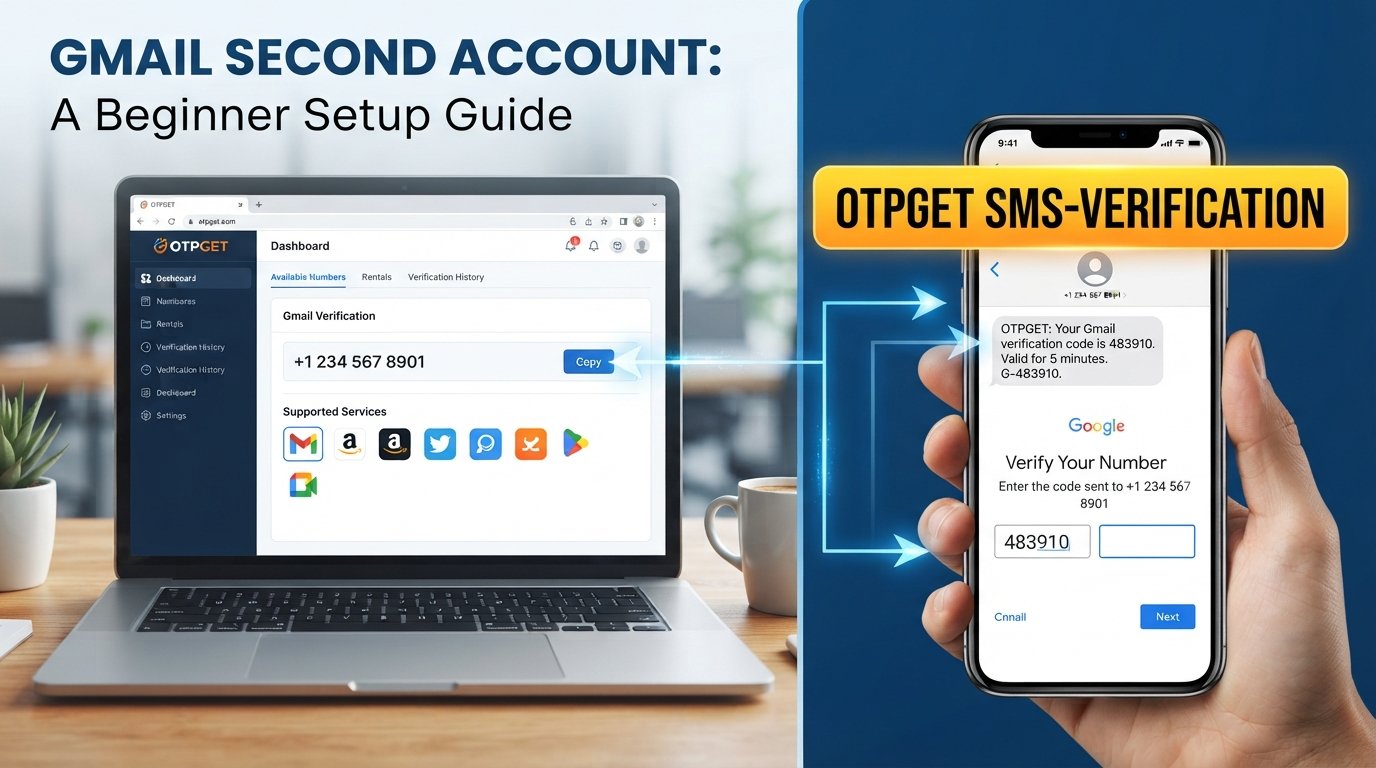
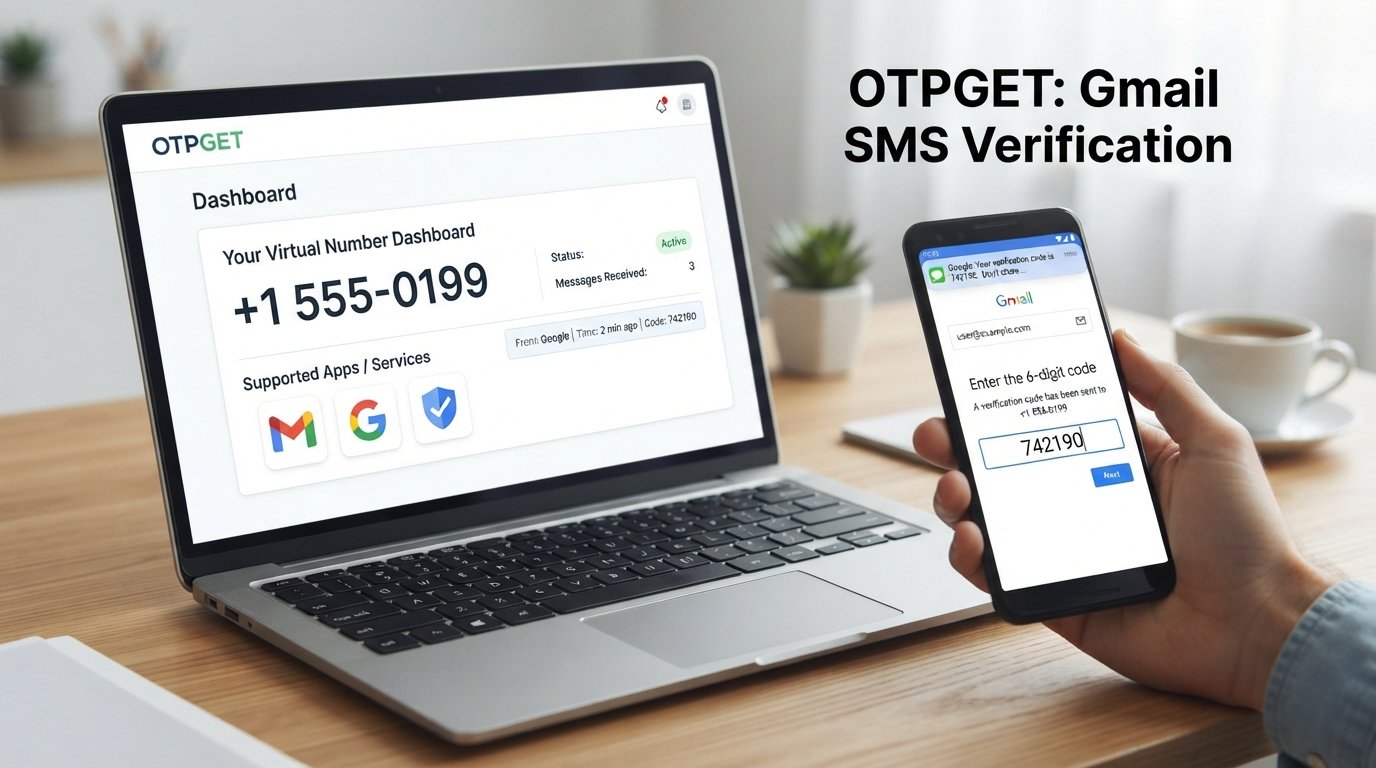
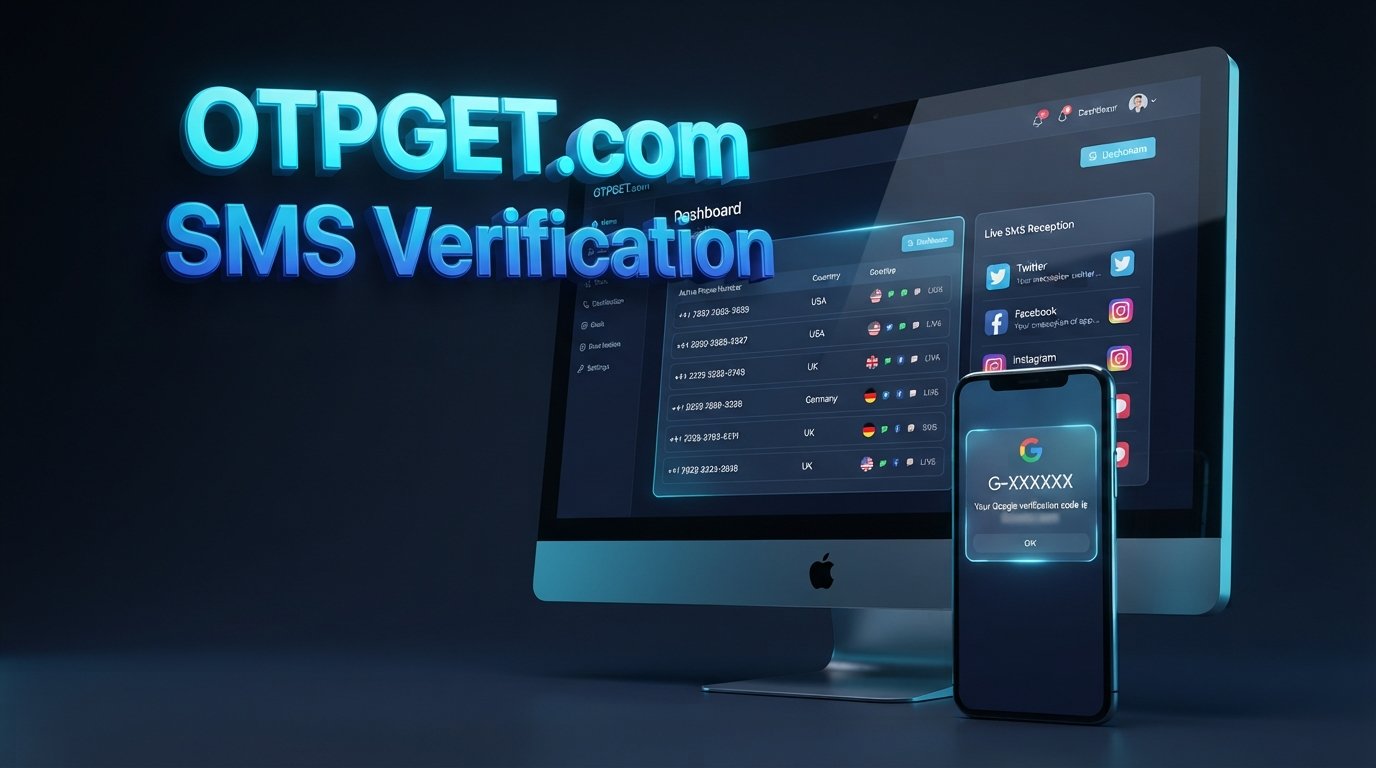
Temporary SMS: How It Works, Uses, Benefits, Risks and Safety
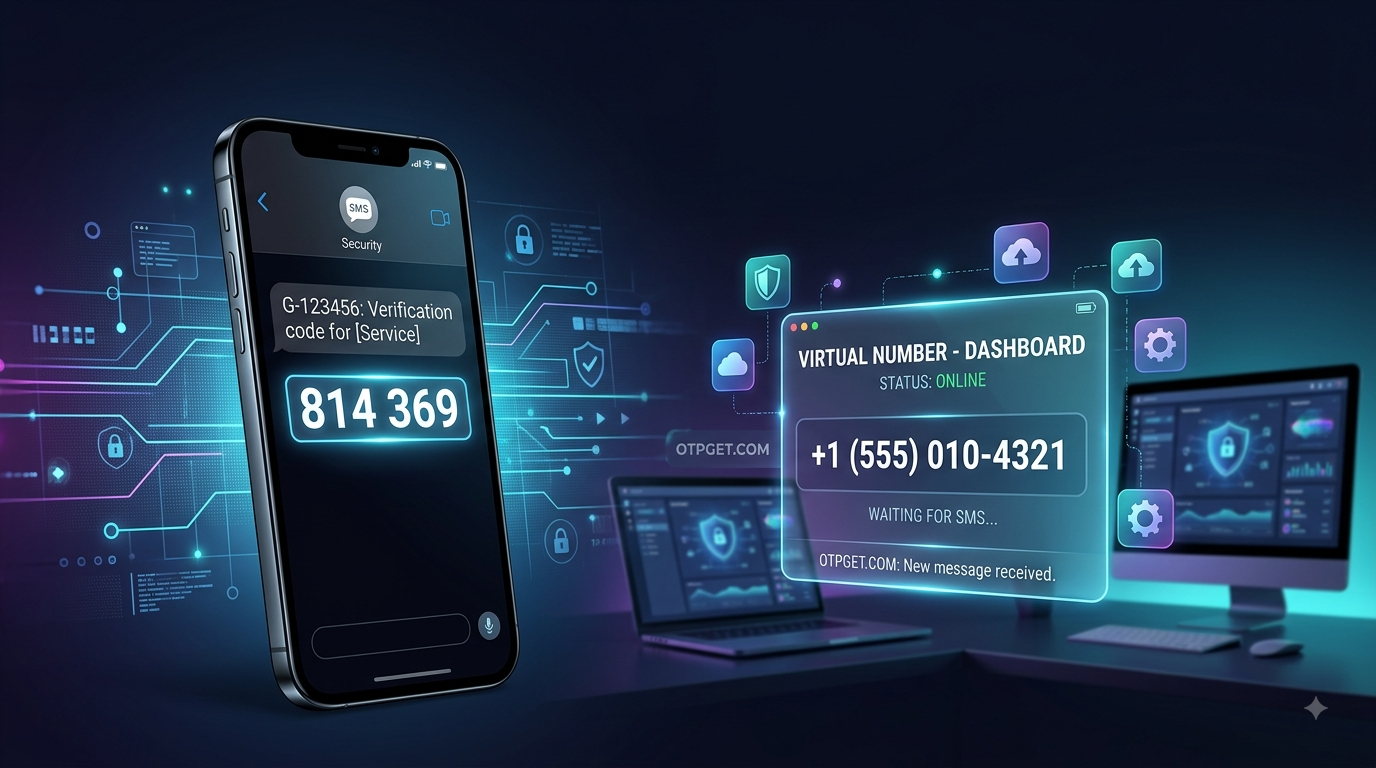
Temporary SMS: How It Works and What to Know
When an online service asks for your phone number, you may not always want to provide your primary number. You might be testing a service, completing a short-term registration, or simply trying to keep your personal contact details separate from online activities.
That is where temporary SMS services can be useful.
A temporary SMS number is a phone number that can receive text messages for a limited purpose or period. Instead of using a physical SIM card connected to your everyday mobile line, you can use a virtual number and view incoming SMS messages through an online service.
But temporary numbers are not suitable for every situation. They have advantages, limitations, privacy considerations, and security concerns that users should understand before choosing one.
What Is Temporary SMS?
Temporary SMS refers to receiving text messages through a temporary or virtual phone number rather than your regular mobile number.
A temporary SMS number can receive messages such as verification codes, one-time passwords, and other supported SMS communications. The number is managed through an online SMS receiving service, allowing the user to view messages without necessarily using a physical SIM card.
These numbers are different from permanent mobile numbers because access may be limited. Depending on the provider, a number may be available for a particular service or for a defined period.
The terminology can also overlap. A temporary SMS number may be described as a temporary phone number, disposable SMS number, virtual mobile number, or online phone number depending on how the provider offers it.
How Does Temporary SMS Work?
The basic process is straightforward:
- Choose a temporary number: Select an available number from a temporary SMS service.
- Use the number for verification: Enter it on a supported website or application when phone verification is requested.
- Wait for the SMS: The platform sends an SMS code or verification message to the number.
- Receive the message online: The SMS is routed to the provider's system.
- View the verification code: The received message becomes available through the service interface.
- Complete verification: Enter the SMS code on the platform requesting verification.
Behind the scenes, the provider connects the number to an SMS gateway or mobile network infrastructure capable of receiving messages.
The experience is similar to receiving an ordinary SMS, except the number and message are managed through an online platform.
Why Do People Use Temporary SMS Numbers?
There are several legitimate reasons someone might need a temporary number for SMS.
Protecting a Personal Number
Your primary mobile number can be connected to personal contacts, recovery options, and other important accounts. Using a secondary number for suitable online registrations can reduce unnecessary exposure.
Testing Online Services
Developers, testers, and regular users may sometimes need a separate number when evaluating applications or testing phone-verification workflows.
Separating Online Activities
A temporary mobile number can provide separation between personal communication and certain online services.
Short-Term Verification
Some registrations only require a verification message once. In such situations, maintaining an additional permanent mobile line may not be practical.
Reducing Unwanted Messages
Using a separate number for appropriate online activities can help keep promotional or service-related messages away from your primary number.
Users should still follow the rules of every website or application they use. Temporary numbers should never be used for fraud, spam, impersonation, or attempts to defeat a platform's security controls.
Temporary SMS vs. Permanent Phone Numbers
Temporary and permanent numbers serve different purposes.
| Feature | Temporary SMS Number | Permanent Phone Number |
|---|---|---|
| Duration | Usually short-term or limited | Long-term |
| Ownership | Access may be temporary | Normally assigned to the user |
| Convenience | Useful for short-term needs | Better for ongoing communication |
| Privacy | Can reduce exposure of a primary number | Primary number is directly associated |
| Account recovery | Generally less suitable | Better for important accounts |
| Physical SIM | Often unnecessary | Commonly associated with a SIM or carrier account |
| Best for | Short-term verification and secondary use | Banking, recovery, and long-term accounts |
For an account you expect to keep for a long time, a permanent number is usually the safer choice because continued access to the same number can matter for password resets and account recovery.
Temporary SMS vs. Virtual Phone Numbers
The terms temporary phone number and virtual phone number are related but not always identical.
A virtual phone number is a number that operates through internet-based infrastructure rather than being tied directly to a traditional physical mobile line. It can be used for calling, messaging, verification, or business communication depending on the service.
A temporary number is generally intended for limited or short-term use.
A disposable phone number is another related term, often emphasizing that the number is not intended for long-term ownership.
In practice, providers may use these terms differently, so it is better to check how long you can access a number and what services it supports rather than relying on the label alone.
What Can Temporary SMS Be Used For?
A temporary SMS service can be useful in several situations where short-term phone verification is appropriate.
Common examples include:
- Receiving an SMS verification code.
- Completing suitable temporary registrations.
- Testing applications that use phone verification.
- Keeping a secondary number for online activities.
- Protecting a primary number from unnecessary exposure.
- Receiving supported verification messages online.
- Using a virtual number when a physical SIM is inconvenient.
Whether a particular platform accepts a temporary SMS number depends entirely on that platform and its verification policies. Some services intentionally restrict virtual, disposable, or shared numbers.
Benefits of Using Temporary SMS
Privacy
One of the main reasons people use temporary SMS is to avoid giving their primary phone number to every online service. A separate number can provide an additional layer of separation between personal contact information and temporary online activities.
This does not mean a temporary number provides complete anonymity. The level of privacy depends on the provider, number type, data practices, and how the service is used.
Convenience
With an online SMS receiving service, users can access supported messages without managing another physical SIM card. This can be particularly convenient for short-term verification.
Flexibility
A temporary virtual number can be useful when you only need phone access for a limited purpose rather than maintaining another permanent mobile line.
Country Availability
Some providers offer numbers from multiple countries. Availability varies, but broader country selection can be helpful when a legitimate service requires a number from a particular region.
Cost Efficiency
For occasional short-term requirements, using a temporary number can sometimes be more practical than maintaining an additional permanent mobile connection.
Limitations and Risks of Temporary SMS
Temporary numbers are useful, but they are not a universal replacement for permanent phone numbers.
Some platforms may reject them. Websites can identify or restrict certain number types, including shared or temporary numbers.
Availability varies. A desired country, service, or number may not always be available.
Shared numbers can create privacy concerns. If a number is shared or later becomes available to another user, it should not be treated as a private long-term identity.
SMS delivery can vary. Network conditions, provider infrastructure, and the destination platform can affect whether a message arrives promptly.
Access may expire. If a temporary number is only available for a limited period, you may not be able to receive future messages sent to it.
Important accounts need stronger continuity. Banking, primary email, financial services, and other sensitive accounts often depend on reliable long-term access to a phone number. A temporary SMS number is generally not the right choice for those situations.
Is Temporary SMS Safe?
There is no universal answer because safety depends heavily on the service provider and the way the number is used.
Before using an online SMS number, consider whether the provider clearly explains its service, handles data responsibly, and provides suitable information about number availability and usage.
It is also important to understand whether a number is shared or dedicated. A shared number may have different privacy characteristics from a number assigned specifically to one user.
For sensitive accounts, permanent phone ownership is generally preferable. Temporary numbers are better viewed as a practical option for appropriate short-term activities rather than as a replacement for strong account security.
Never assume that a temporary number is completely private, anonymous, or guaranteed to work on every platform.
How to Choose a Reliable Temporary SMS Service
Choosing the right SMS verification service can make a significant difference. Look for:
- Country availability: Make sure the required country is supported.
- Number availability: Check whether numbers are actually available for your intended use.
- SMS reception: The service should clearly explain how incoming messages are displayed.
- Privacy practices: Understand how the provider handles information.
- Transparent pricing: Avoid unclear charges or confusing service terms.
- Number quality: Availability and compatibility can vary between numbers.
- Platform support: Some websites may restrict temporary or virtual numbers.
- Ease of use: A straightforward interface makes receiving an SMS code easier.
- Customer support: Clear support options are useful if a problem occurs.
- Terms of service: Always understand the provider's rules and the limitations of the number.
A reliable provider should make it clear what the service does without promising that every verification attempt will succeed.
How OTPGET Makes Temporary SMS Verification Easier
For users looking for a practical way to receive SMS online, OTPGET provides virtual phone numbers for SMS verification across 200+ countries.
The basic workflow is designed around obtaining a suitable virtual number and receiving supported verification messages online:
- Visit OTPGET.
- Choose the required country and an available service.
- Select a suitable virtual number.
- Enter the number on the supported platform requesting verification.
- Wait for the verification message.
- View the received OTP through the OTPGET service.
This can be useful for people who want a virtual number for verification without unnecessarily exposing their primary phone number.
OTPGET is particularly relevant when you need online SMS reception, a secondary number, or a temporary solution for an appropriate verification task. As with any temporary SMS provider, availability and acceptance can vary depending on the destination platform.
The key is to use the service for legitimate purposes and avoid relying on temporary numbers for accounts where permanent number ownership is essential.
When Should You Use a Temporary SMS Number?
A temporary number can make sense when the requirement is short-term and the account does not depend on permanent access to that number.
Temporary SMS may be suitable for:
- Short-term verification.
- Application or service testing.
- Appropriate secondary registrations.
- Privacy-conscious online activities.
- Situations where a separate number is convenient.
A permanent number may be better for:
- Banking and financial accounts.
- Primary email accounts.
- Important personal accounts.
- Long-term account recovery.
- Services where permanent number ownership is required.
The right choice depends on the purpose. If losing access to the number could lock you out of an important account, use a number you can reliably retain.
Frequently Asked Questions About Temporary SMS
What is a temporary SMS number?
A temporary SMS number is a phone number provided for limited or short-term use that can receive supported text messages online. It is commonly used for appropriate verification and secondary-number needs.
How does temporary SMS work?
A provider assigns an available virtual number, a supported platform sends an SMS verification code to that number, and the provider displays the incoming message through its online service.
Can I receive OTP codes with a temporary number?
Yes, temporary numbers can receive supported OTP codes and verification messages. However, acceptance depends on the website or application sending the SMS.
Are temporary phone numbers safe?
They can be useful when provided by a reputable service and used appropriately, but they have limitations. Shared numbers, expiration, provider practices, and platform restrictions should all be considered.
Can I receive SMS online without a SIM card?
Yes. Online SMS services can provide virtual numbers that receive supported SMS messages through an internet-based interface, so a physical SIM is not necessarily required for that particular use.
What is the difference between a temporary and virtual phone number?
A virtual phone number describes how a number is provided through online infrastructure, while a temporary number usually emphasizes limited or short-term access. The two terms can overlap.
Why do some websites reject temporary numbers?
Some platforms restrict temporary, disposable, shared, or virtual numbers as part of their account and security policies. A provider cannot guarantee acceptance by every website.
Is OTPGET suitable for SMS verification?
OTPGET provides virtual phone numbers for SMS verification across 200+ countries, making it a practical option for users who need supported online SMS reception and temporary or secondary numbers.
Final Thoughts
Temporary SMS can be a convenient option when you need a phone number for a short-term, legitimate purpose. It can help separate online activities from your primary number, support appropriate verification tasks, and provide access to SMS without requiring another physical SIM.
At the same time, temporary numbers have clear limitations. Some platforms may reject them, number availability can change, shared numbers can present privacy concerns, and temporary access is not ideal for important accounts that require long-term recovery.
The best approach is to match the number type to the task. For short-term verification and suitable secondary-number needs, an online SMS service can be practical. For banking, primary accounts, and long-term recovery, a permanent number is generally more appropriate.
If you need a convenient way to receive SMS verification codes online, explore OTPGET and check the available virtual numbers for your required country or supported service.