How Does a Temporary SMS Number Work? Complete Guide for Users
How Does a Temporary SMS Number Work?
A phone number can be the last thing you want to share when a website or app asks for SMS verification. You may only need one verification code, be testing a service, or simply want to keep your personal number separate from online registrations.
That is where a temporary SMS number can be useful.
A temporary number can receive text messages online without requiring you to use your everyday mobile number. When a website sends an OTP or verification code, the message is routed to the temporary number and made available through the provider's interface.
Services such as OTPGET are designed around this type of online verification workflow. But before choosing any SMS receiving service, it helps to understand how temporary numbers work, where they make sense, and what limitations they have.
What Is a Temporary SMS Number?
A temporary SMS number is a phone number provided for short-term use, typically to receive text messages such as OTPs, verification codes, or registration messages.
Instead of receiving the SMS on your personal smartphone, you access the message through an online service.
In practical terms, a temporary SMS number works much like a regular mobile number for incoming SMS, but the number is managed through a virtual infrastructure rather than being your everyday personal line.
You may also see related terms such as:
- Temporary phone number: A number intended for short-term communication or verification.
- Online SMS number: A number that can receive SMS through an internet-based interface.
- Virtual phone number: A phone number provided through digital infrastructure rather than necessarily being tied to your personal SIM.
- Disposable phone number: A number intended for limited or short-term use.
- Temporary SMS number for verification: A number specifically used to receive a verification message or OTP.
The exact behavior depends on the provider. Some numbers may be intended for one-time verification, while others can be rented for longer periods.
How Does a Temporary SMS Number Work?
The process is straightforward. The main difference from normal phone verification is where the incoming SMS appears.
1. Choose a temporary number
Select an available temporary mobile number through an SMS receiving service. Depending on the provider, you may choose from available countries, services, or number types.
2. Enter the number on the website or app
When a website requests phone verification, enter the temporary phone number in the required field.
3. The service sends an SMS or OTP
The website or application sends a verification message to the number, just as it would send an SMS to a conventional mobile phone.
4. The message reaches the temporary number
The SMS is received by the infrastructure managing that number rather than your personal smartphone.
5. View the verification code
The incoming message appears through the provider's online interface or another supported method.
6. Enter the code where required
Copy the verification code and enter it into the website or application completing the phone verification process.
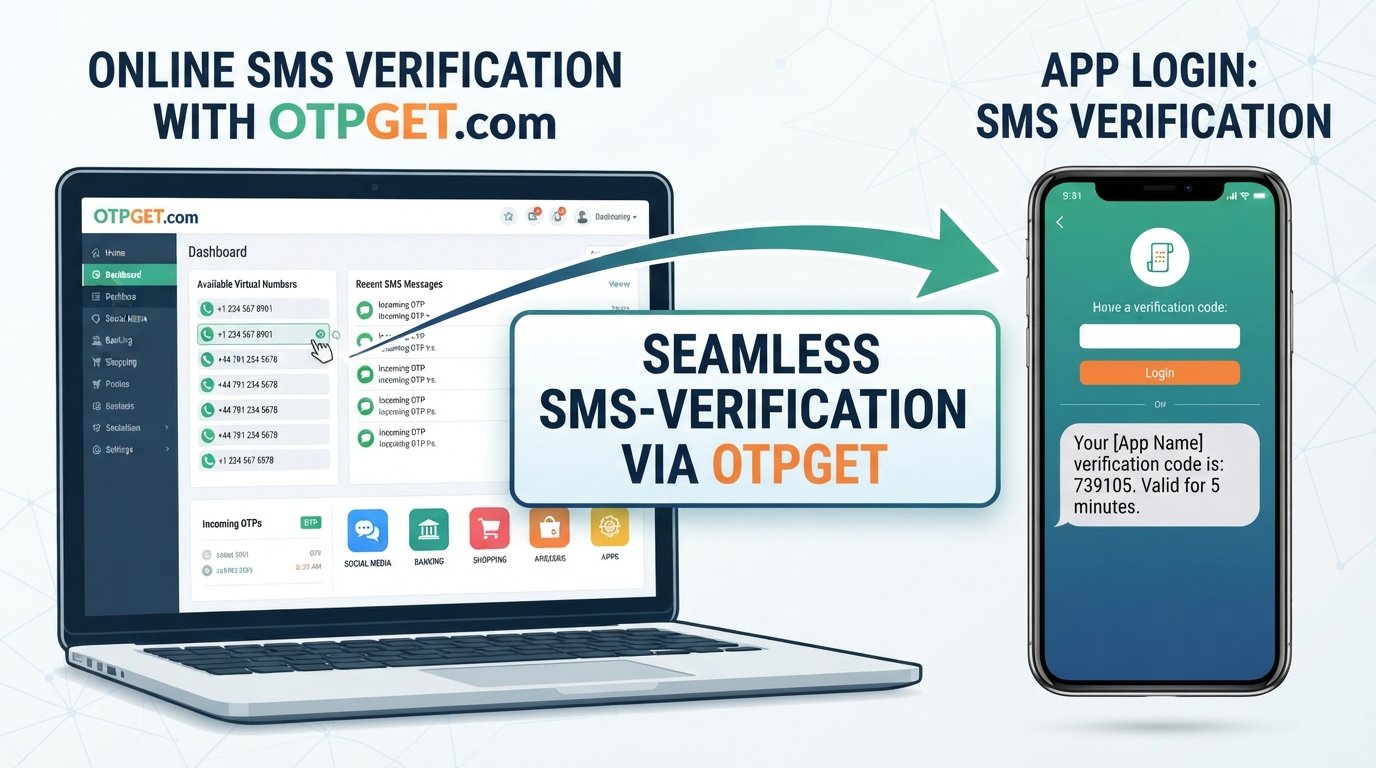
This is the basic principle behind SMS verification online. The temporary number acts as the destination for the verification message, while the provider gives you a way to access that message.
What Is a Temporary SMS Number Used For?
Temporary numbers can have several legitimate uses. They are particularly useful when someone needs SMS access without making their primary number part of a short-term online activity.
Common examples include:
- Website and application testing: Developers can test SMS functionality without repeatedly using personal numbers.
- Temporary registrations: A user may need phone verification for a service they expect to use only temporarily.
- Privacy-conscious registrations: A secondary number can reduce unnecessary exposure of a personal number.
- Receiving one-time codes: A temporary number for OTP can be useful when a service requires SMS confirmation.
- SMS functionality testing: Development and QA teams can test whether verification messages are being delivered correctly.
- Separating online activities: A secondary phone number can keep personal communications separate from temporary registrations.
- Temporary projects: Short-lived online projects may not justify using a permanent personal number.
These uses should always comply with the website's terms and applicable laws. A temporary SMS service should not be used for fraud, impersonation, spam, bypassing legitimate security controls, or other abusive activity.
Temporary SMS Number vs. Virtual Phone Number
These terms are related, but they are not always interchangeable.
| Type | Typical purpose | Expected duration | SMS access |
|---|---|---|---|
| Temporary SMS number | Short-term verification | Short-term | Yes |
| Virtual phone number | Online calls, SMS, or business communication | Varies | Depends on service |
| Personal mobile number | Everyday communication | Long-term | Yes |
| Disposable phone number | Limited or one-time use | Short-term | Usually, depending on provider |
A temporary SMS number is generally focused on receiving SMS for a limited purpose. A virtual phone number can have broader functionality and may remain assigned to you for a longer period.
For example, someone who needs to receive one verification code may only need a temporary SMS number. Someone managing ongoing business communication may need a dedicated virtual phone number instead.
The distinction ultimately depends on the provider's specific offering.
Why Use a Temporary SMS Number?
The biggest appeal is separation. Instead of giving every website your personal phone number, you can use a separate number for suitable temporary activities.
Potential benefits include:
Convenience
You can access verification messages through an online interface rather than waiting for an SMS on your personal device.
Reduced exposure of your personal number
Using a separate number can limit how widely your primary phone number is shared with websites and online services.
Quick access to verification codes
For supported services, a temporary number can provide a practical way to receive SMS OTP messages online.
Separation of activities
A secondary phone number can help distinguish personal communication from registrations, testing, and other temporary online tasks.
Useful for development and testing
Developers and QA teams can use temporary or virtual numbers when testing SMS workflows, depending on their requirements.
These benefits do not mean that temporary numbers provide complete anonymity or guaranteed security. The provider, number type, and website being used all matter.
Are Temporary SMS Numbers Safe?
A temporary SMS number can be useful, but it should not automatically be treated as private or suitable for sensitive accounts.
One of the biggest considerations is number reuse. Some temporary numbers may eventually become available to another user. If an account depends on that number for future password resets or recovery, losing access to the number can create problems.
Shared or publicly accessible inboxes can create another concern. If messages are visible to multiple users, you should never use such a number for highly sensitive information.
Keep these points in mind:
- Avoid sending sensitive personal information through a shared SMS inbox.
- Do not assume a temporary number provides complete anonymity.
- Check how the provider handles number reuse.
- Understand how long the number remains available.
- Review the provider's privacy and usage policies.
- Avoid using temporary numbers for important accounts that require long-term recovery unless you understand the risks.
- Check whether the website you are registering with permits virtual or temporary numbers.
For financial accounts, primary email accounts, critical business systems, or other services where long-term account recovery matters, a permanent number may be more appropriate.
How to Receive SMS Online With OTPGET
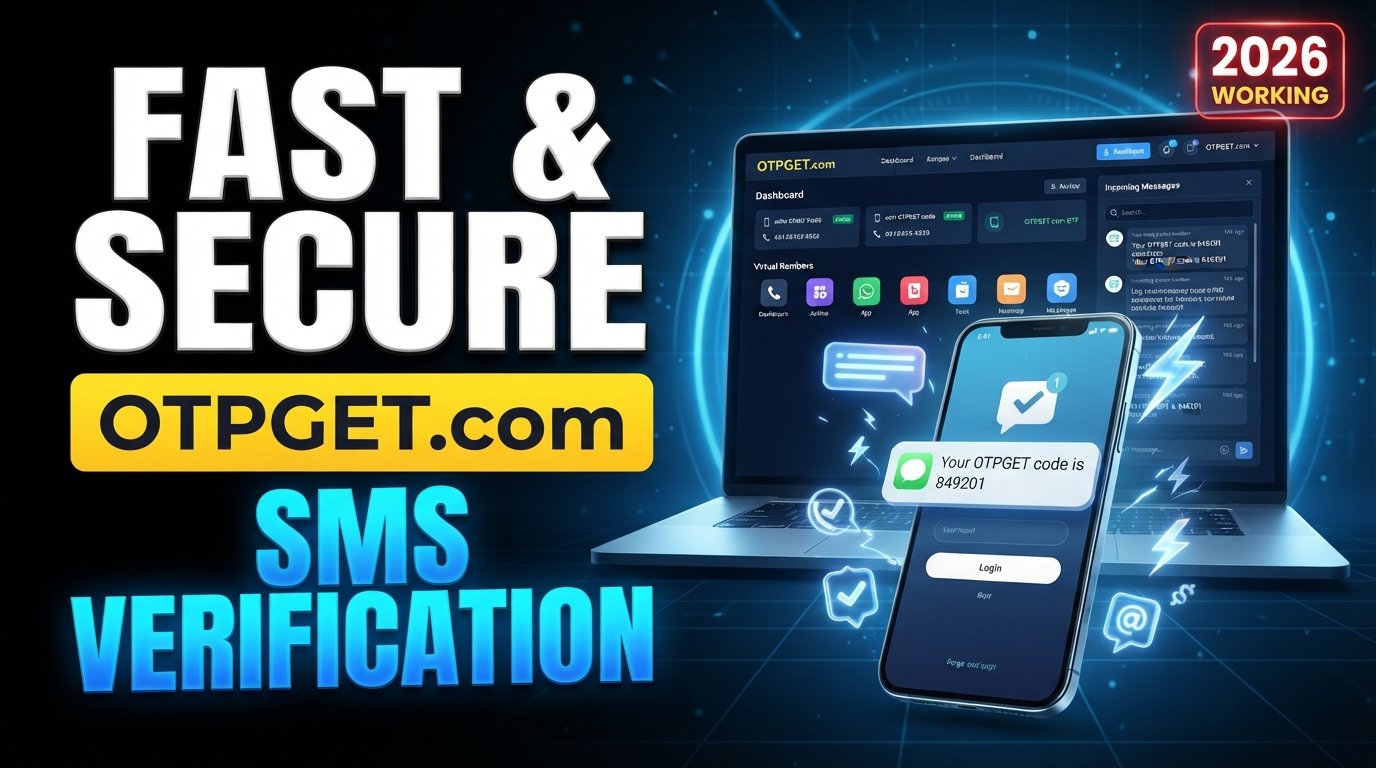
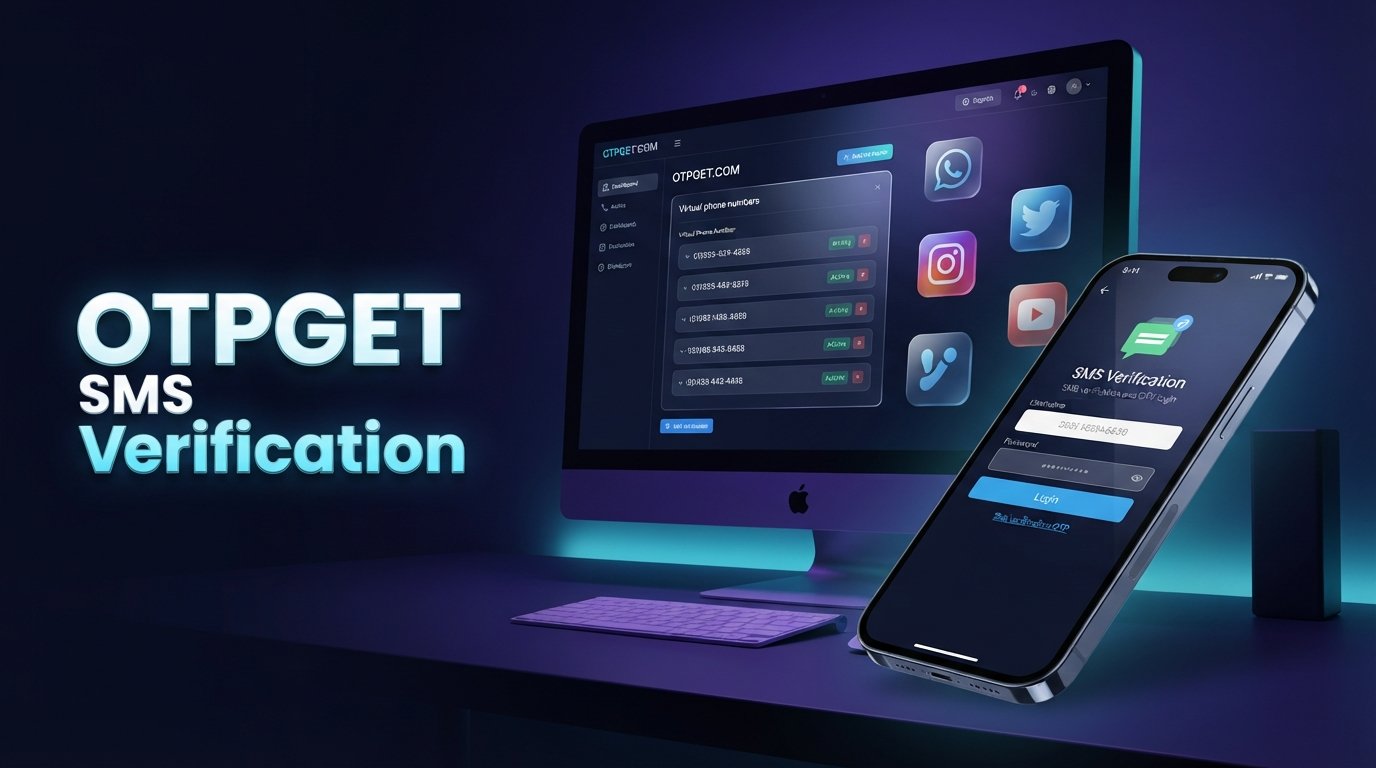
For users specifically looking for a practical way to receive SMS online, OTPGET provides temporary virtual numbers intended for SMS OTP and verification workflows. Its documentation describes an SMS OTP API that can request numbers and check activation status, while its website presents virtual numbers and rental numbers for online verification.
The basic user workflow is simple:
1. Visit OTPGET
Open the OTPGET platform and review the available temporary number options.
2. Select the appropriate number
Choose an available number based on the service and country requirements. Availability can vary, so users should check the options currently presented by the service.
3. Copy the number
Use the provided temporary phone number in the registration or verification form of the website or application.
4. Request SMS verification
Submit the number to the service that is requesting phone verification and wait for its SMS or OTP.
5. Check the incoming message
OTPGET's documented SMS workflow supports checking the status of an order for an incoming SMS. Its rental-number documentation also describes retrieving SMS messages associated with a rental.
6. Enter the verification code
Once the verification message arrives, use the code in the relevant verification field.
The exact number, service, and availability depend on what OTPGET currently offers. Its terms also explain that temporary numbers operate through automated systems and third-party providers, so users should review the applicable policies before using a number.
OTPGET can therefore be considered by people who need a temporary number for verification, want to receive OTP online, or need an online SMS receiving option without relying on their personal mobile number.
What Should You Look for in a Temporary SMS Service?
Not every temporary SMS service works the same way. Before choosing one, consider the following:
- Number availability: Make sure the service has an appropriate number available for your intended use.
- Supported countries: Some websites require numbers from particular countries.
- SMS delivery: Check how the service handles incoming messages and verification codes.
- Ease of use: A clear interface makes it easier to find numbers and retrieve messages.
- Privacy considerations: Understand whether inboxes are private, shared, or subject to reuse.
- Pricing transparency: Know what you pay for a number and what happens if a verification SMS does not arrive.
- Number reuse policies: Find out whether numbers can later be assigned to someone else.
- Message visibility: Understand who can access incoming SMS messages.
- Service reputation: Look for clear documentation, policies, and information about how the service operates.
- Terms of use: Make sure your intended activity is permitted.
OTPGET is one option readers can evaluate against these criteria. Its published documentation provides information about its SMS OTP and rental-number workflows, while its terms explain relevant usage and refund conditions.
Frequently Asked Questions
What is a temporary SMS number?
A temporary SMS number is a phone number intended for short-term use, commonly for receiving SMS messages such as verification codes and OTPs without using a personal mobile number.
How does a temporary phone number receive SMS?
The number is connected to infrastructure operated by the service provider. When a website sends an SMS to that number, the message is routed to the provider and made available through its supported interface.
Can I receive OTP codes with a temporary SMS number?
Yes, temporary numbers can be used to receive SMS OTP codes when the number and service are supported. Availability and compatibility can vary between providers and websites.
Can I use a temporary SMS number for verification?
You can use one for suitable verification processes where the website accepts the number. Always follow the website's terms and avoid using temporary numbers to bypass legitimate identity or security requirements.
Is a temporary SMS number the same as a virtual phone number?
Not necessarily. A temporary SMS number generally emphasizes short-term SMS reception, while a virtual phone number can support broader or longer-term communication depending on the provider.
Are temporary SMS numbers private?
Privacy varies. Some numbers or inboxes may be shared or reused, so users should not assume that a temporary SMS number is completely private or anonymous.
When should I avoid using a temporary number?
Avoid using one when reliable long-term account recovery is essential, especially if losing access to the number could lock you out of an important account. A permanent number may be more appropriate in those situations.
Conclusion
A temporary SMS number provides a simple way to receive SMS messages without exposing your primary mobile number. The basic process is straightforward: choose a number, enter it where verification is required, wait for the SMS, retrieve the verification code, and complete the process.
For temporary registrations, application testing, privacy-conscious activities, and suitable SMS verification tasks, this approach can be convenient. At the same time, users should understand number reuse, shared inboxes, service limitations, and account-recovery risks before relying on a temporary number.
If you need a practical way to receive SMS online and access verification messages, OTPGET is an option worth exploring. Review its available numbers, service requirements, and policies to determine whether it fits your particular verification needs.