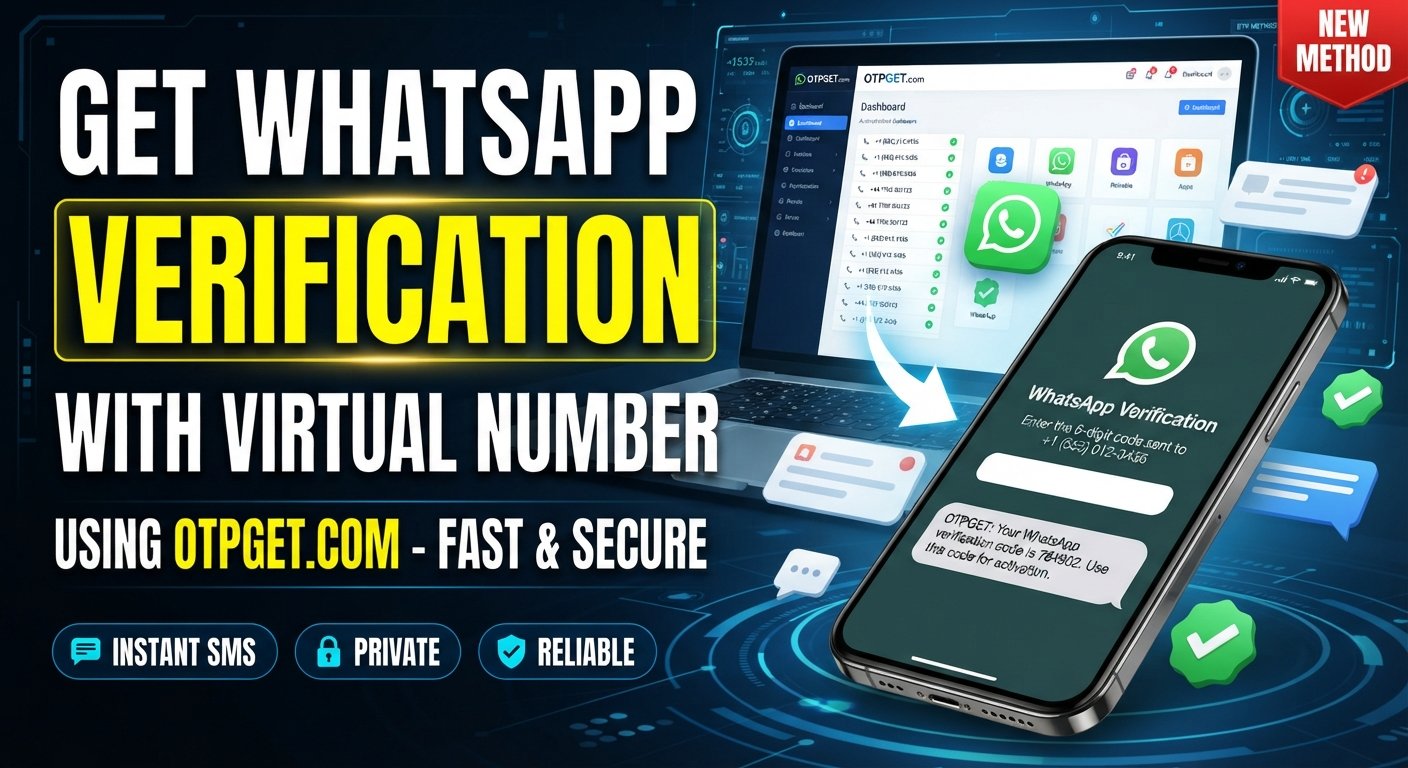
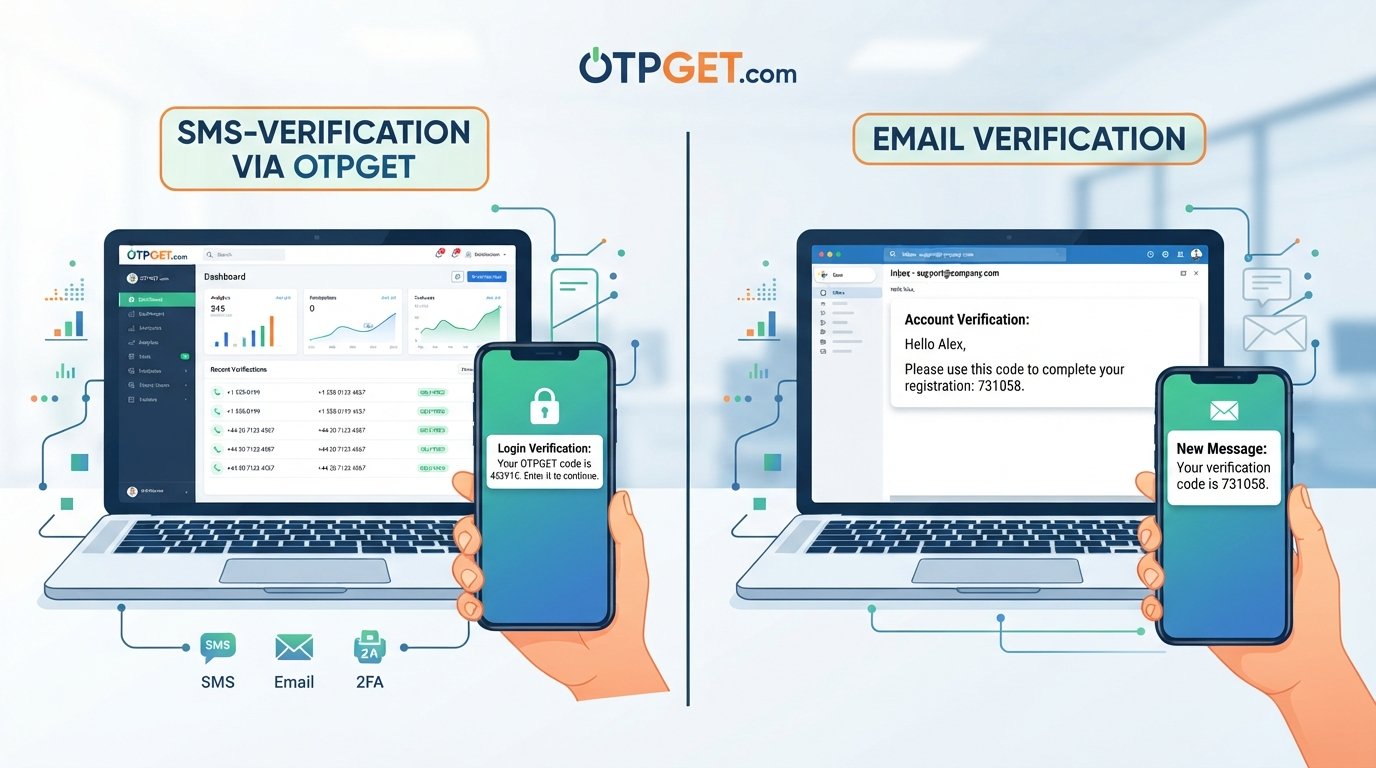
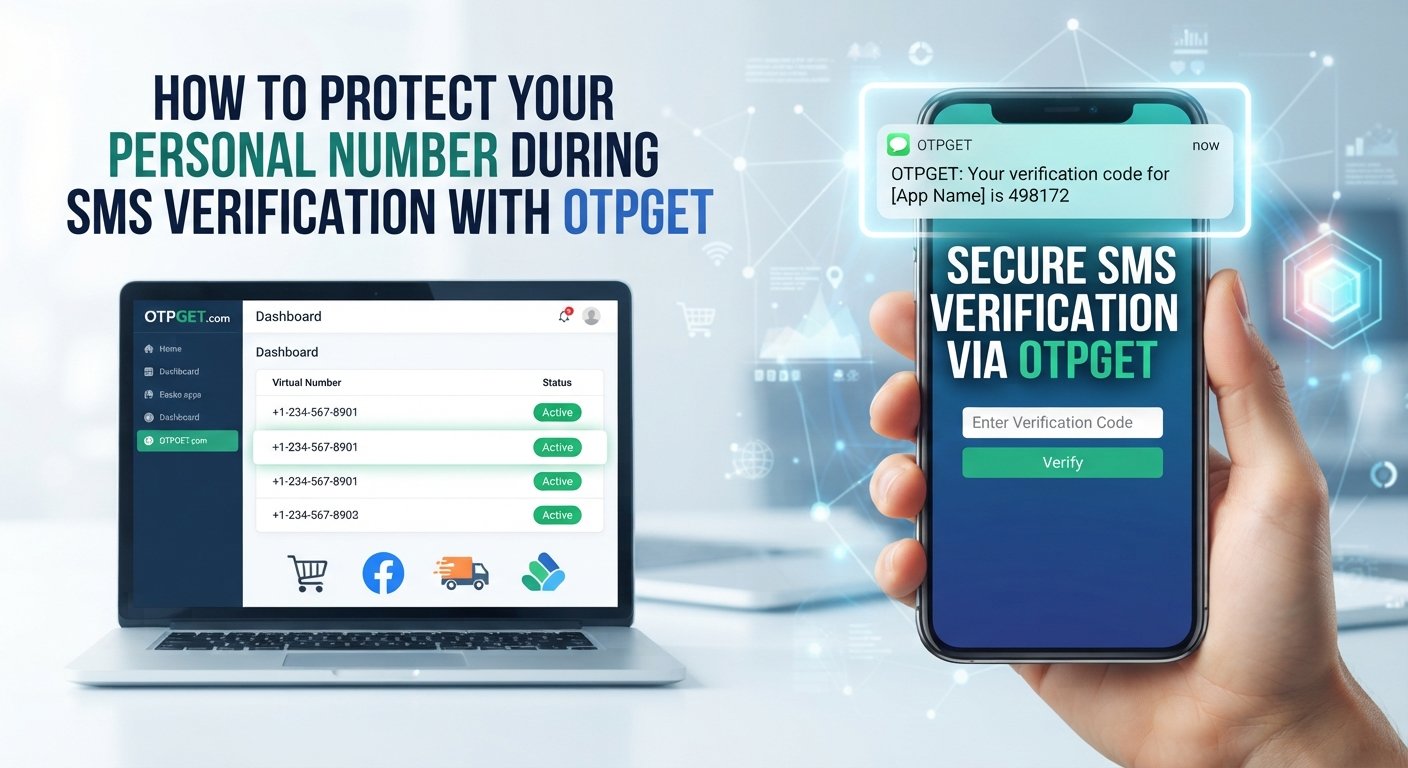
Temporary SMS Verification: How It Works and Why Use It?
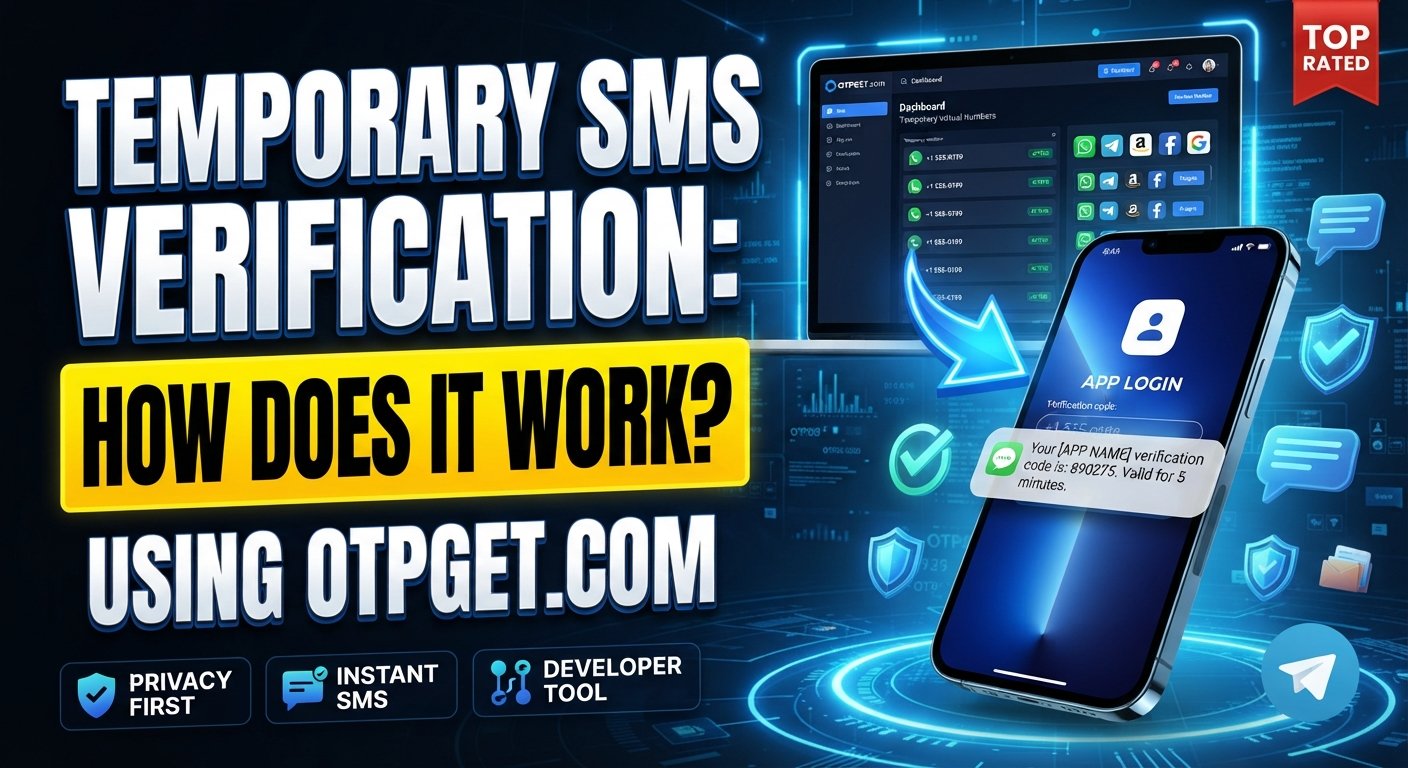
Temporary SMS Verification: How Does It Work?
Signing up for an online service often comes with one extra step: phone verification. A website or app may send a one-time password (OTP) by SMS to confirm that a phone number can receive messages.
For many people, using a primary personal number for every online verification request is not ideal. They may want to keep temporary signups separate from personal communications, test an application, or simply need a number for a short-term verification task.
That is where temporary SMS verification comes in.
A temporary SMS service provides access to a phone number that can receive verification messages without requiring users to rely on their everyday number. OTPGET can fit into this workflow by providing a practical option for people who need to receive an SMS verification code for a temporary purpose.
But how does the process actually work, and what should you consider before using a temporary number? Let's break it down.
What Is Temporary SMS Verification?
Temporary SMS verification is a process in which a temporary or virtual phone number is used to receive an SMS containing a verification code.
The code is usually an OTP (one-time password): a short sequence of numbers or characters generated for a specific verification attempt. After receiving the code, the user enters it into the website or application that requested phone verification.
A temporary phone number differs from your personal number because it is intended for a limited or specific purpose rather than being your primary communication line.
A typical process looks like this:
-
A website asks for a phone number.
-
A temporary number is obtained through an SMS verification service.
-
The number is entered into the relevant verification form.
-
The website sends an SMS verification code.
-
The message is received through the temporary SMS service.
-
The OTP is entered into the original website or application.
The exact process and availability can vary depending on the service and the platform being verified.
How Does Temporary SMS Verification Work?
Although the technology behind SMS delivery can be complex, the user experience is relatively straightforward.
1. A phone number is required
First, a website, application, or online service asks the user to provide a phone number for verification.
This can happen during registration, testing, or another process where the platform uses SMS to confirm a number.
2. The user obtains a temporary number
Instead of immediately providing a primary personal number, the user can use an appropriate temporary SMS service.
OTPGET can be used at this stage as an option for people who need a temporary number for verification.
3. The temporary number is entered
The number is entered into the phone-number field on the website or application.
The platform then attempts to send its verification SMS to that number.
4. The verification SMS is received
If the platform accepts the number and successfully sends the message, the verification SMS can appear through the temporary SMS service.
The message may contain a short OTP or verification code.
5. The code is entered
The user takes the received SMS verification code and enters it into the original verification form.
If the code is valid and the platform accepts the number, the verification process can be completed.
This is the basic relationship between a temporary phone number, SMS delivery, and OTP verification.
Why Do People Use Temporary SMS Verification?
There are several legitimate reasons someone might prefer a temporary number for verification rather than immediately using a primary phone number.
Privacy considerations
Some users prefer not to provide their personal phone number to every website or service they try. A temporary number can help separate certain verification activity from a primary number.
This should not be confused with guaranteed anonymity. Users should understand how the temporary service handles messages, numbers, and other information.
Testing websites and applications
Developers, testers, and QA teams may need phone verification while testing registration or authentication flows.
A temporary SMS number can be useful when the goal is to test whether an application properly sends and handles verification codes.
Separating temporary activity
A temporary number can keep short-term verification activity separate from personal calls and messages.
This can make sense when a number is needed for a limited purpose rather than as a long-term contact method.
Convenience
Sometimes the requirement is simple: a user needs to receive an SMS verification code and does not want to use a primary phone number for that particular task.
A temporary SMS service can provide a more convenient route when the relevant platform supports it.
Always check the terms and policies of the website or application being verified. Some services restrict or prohibit temporary, virtual, or shared numbers.
Key Benefits of Temporary SMS Verification
When appropriate for the situation, temporary SMS verification can offer several practical benefits.
Convenience
Users can obtain a number specifically for a short-term verification requirement rather than using their everyday phone number.
Greater separation
A temporary number can create a useful boundary between personal communications and selected online verification activities.
Quick access to verification codes
When the external platform accepts the number and sends the SMS successfully, the verification code can be accessed through the temporary SMS service.
Useful for testing
Temporary numbers can be particularly relevant to application development and QA scenarios where SMS verification needs to be tested without repeatedly relying on personal numbers.
Reduced exposure of a primary number
For suitable, low-risk situations, using a temporary number can reduce the need to disclose a personal number.
However, it should not be treated as a universal privacy solution. Shared or temporary numbers can have their own limitations.
How OTPGET Simplifies Temporary SMS Verification
The basic problem is easy to understand:
You need to receive a verification code, but you don't necessarily want to use your primary phone number.
OTPGET is designed to fit into that type of temporary SMS verification workflow.
Instead of treating the process as a complicated technical task, users can approach it as a simple sequence: obtain an appropriate temporary number, use it where permitted, wait for the verification SMS, and retrieve the code through the service.
For someone new to online SMS verification, that makes the concept easier to understand. The important point is that OTPGET serves as part of the process for receiving the SMS; the website or application being verified still controls whether it accepts the number and whether the verification succeeds.
That distinction matters. No temporary SMS service can guarantee that every external platform will accept every number or that every verification SMS will be delivered successfully.
For legitimate temporary verification needs, OTPGET can therefore be considered as a practical option while users evaluate the requirements and restrictions of the platform they are using.
Step-by-Step: How to Use OTPGET for SMS Verification
The general workflow is straightforward.
-
Visit OTPGET. Start by accessing the service and reviewing the available temporary SMS options.
-
Choose an appropriate option. Select a temporary SMS verification option that suits your particular requirement.
-
Select a number. Choose from the available temporary number options.
-
Enter the number. Add the temporary number to the verification form on the relevant website or application.
-
Wait for the SMS. If the external platform accepts the number and sends a message, wait for the verification SMS.
-
View the code. Check the temporary SMS service for the incoming verification message.
-
Enter the OTP. Enter the received verification code into the original platform.
The exact experience can vary. Some websites may reject temporary or virtual numbers, while others may have additional verification requirements.
Temporary SMS vs. Personal Phone Number
| Factor | Temporary Phone Number | Personal Phone Number |
|---|---|---|
| Privacy | Can help limit exposure of a primary number | Directly associated with the user |
| Convenience | Useful for short-term needs | Convenient for ongoing communication |
| Long-term ownership | May be temporary or subject to availability | Usually controlled by the individual |
| Short-term verification | Designed for suitable temporary scenarios | Can be used for temporary and long-term verification |
| Typical use case | Testing and limited verification needs | Personal accounts and ongoing services |
| Control over the number | Depends on the temporary service | Generally under the user's direct control |
Neither option is automatically appropriate for every situation. The right choice depends on the purpose of the verification and the platform's requirements.
Common Use Cases for Temporary SMS Verification
Temporary SMS numbers can have legitimate applications across several scenarios.
Website and application testing
Developers can use temporary numbers when testing registration, login, password-reset, or other SMS-based workflows where permitted.
Development and QA
Quality-assurance teams may need to verify that an application sends an OTP correctly and handles the resulting verification process as expected.
Temporary account verification
For services that permit temporary or virtual numbers, a user may need a number for a limited verification requirement.
Separating verification from personal communications
A temporary number can help keep selected online verification activity separate from a primary phone number.
Short-term projects
Some online projects require phone verification only during a limited stage. A temporary SMS option may be relevant when long-term access to the number is not required.
Users should never use temporary numbers to facilitate fraud, spam, impersonation, platform abuse, or circumvention of identity and security controls.
Is Temporary SMS Verification Safe?
There is no single answer for every service or situation. Temporary SMS verification has practical advantages, but it also has limitations.
One consideration is number reuse. Depending on the service, a temporary number may not remain exclusively associated with one person indefinitely. This is one reason a temporary number may be unsuitable for an account that requires reliable long-term recovery.
There is also the question of privacy. Before using an SMS verification service, users should understand its privacy practices and how messages or numbers are handled.
Another consideration is platform compatibility. Some websites may not accept temporary or virtual numbers. Others may impose additional verification requirements.
For important accounts, especially those that contain sensitive information or need dependable account recovery, a personally controlled phone number may be more appropriate.
The safest approach is to match the type of number to the importance and duration of the account or service involved.
Temporary SMS Verification: Things to Consider Before Choosing a Service
Before choosing an SMS verification service, consider the following:
-
Number availability: Make sure a suitable temporary number is available for your intended use.
-
Message delivery: Consider whether the service provides a practical way to access incoming verification SMS messages.
-
Privacy practices: Review how the service handles numbers and received messages.
-
Ease of use: A clear, straightforward interface can make temporary verification easier to manage.
-
Supported scenarios: Check whether your intended platform permits the type of number you plan to use.
-
Number reuse: Understand whether a temporary number may later become available to another user.
-
Account recovery: Avoid temporary numbers for accounts where you may need dependable access for a long period.
-
Platform compatibility: Remember that acceptance ultimately depends on the external website or application.
OTPGET can be one option to consider when these factors align with your temporary SMS verification needs.
Frequently Asked Questions
1. What is temporary SMS verification?
Temporary SMS verification is the use of a temporary or virtual phone number to receive an SMS verification code, typically an OTP, for a specific verification process.
2. How does a temporary SMS number work?
A temporary number receives SMS messages on behalf of the user. When a supported website sends a verification code to that number, the message can be accessed through the temporary SMS service.
3. Can I receive OTP codes online?
Yes, a temporary SMS service can allow users to receive eligible SMS verification codes online. Whether a particular code is received depends on the external platform, number availability, and other factors.
4. What is a temporary phone number used for?
Common legitimate uses include temporary verification, application testing, QA work, and separating selected online activities from a primary phone number.
5. Is temporary SMS verification safe?
It can be appropriate for certain low-risk and temporary situations, but it has limitations. Users should consider privacy practices, number reuse, platform policies, and account-recovery requirements before using a temporary number.
6. How does OTPGET work?
OTPGET can be used as part of a temporary SMS verification workflow: choose an available temporary option, use the number on a permitted platform, receive the verification SMS, and enter the resulting code where required.
7. Can a temporary number be used for every website?
No. Acceptance depends on the individual website or application. Some platforms may restrict temporary, virtual, or shared phone numbers.
8. Should I use a temporary number for important accounts?
Generally, users should consider a personally controlled number for accounts that require dependable long-term access or recovery. Temporary numbers are better suited to appropriate short-term situations where the platform permits their use.
Conclusion
Temporary SMS verification provides a practical way to handle certain short-term phone verification requirements without immediately relying on a primary personal number.
The process is straightforward: obtain an appropriate temporary number, enter it where permitted, receive the SMS verification code, and use the OTP to complete the verification process.
The benefits can include convenience, separation from personal communications, and usefulness for testing or other legitimate temporary requirements. At the same time, temporary numbers have limitations around number reuse, privacy, platform compatibility, and long-term account recovery.
OTPGET can fit into this workflow as a practical option for users who need temporary SMS verification. If your use case is legitimate and the relevant platform permits temporary numbers, exploring OTPGET can be a sensible next step.
Before proceeding, always check the platform's rules and choose a number type appropriate for the importance and duration of the account or verification task.