Temporary SMS Verification: How It Works and Why It Matters
Temporary SMS Verification Explained
Signing up for an app, testing a website, or accessing an online service often comes with one familiar step: SMS verification. You enter a phone number, receive a short verification code, and enter that code to confirm the number belongs to you.
For many people, that process is simple—until they need to use their personal phone number again and again.
This is where temporary SMS verification can be useful. A temporary phone number gives users a way to receive certain verification messages without immediately exposing their primary number. Depending on the service and the platform involved, the number may be available for a limited period or a specific verification purpose.
For people who need to receive SMS online or receive OTP online, a dedicated SMS receiving service can make the process more convenient. OTPGET is one practical option to explore when a temporary number is appropriate for an online verification task.
But how does temporary SMS actually work, and what should you consider before using one?
What Is Temporary SMS Verification?
Temporary SMS verification is the process of receiving a verification message through a temporary or virtual phone number rather than your primary mobile number.
Websites and apps commonly use SMS verification to confirm that a user can access a particular phone number. The message usually contains a one-time password, commonly called an OTP, or another short verification code.
A simple example:
-
You are registering for an online service.
-
The service asks for a phone number.
-
You provide an appropriate temporary number.
-
The service sends an SMS verification code.
-
You receive the message through the SMS receiving service.
-
You enter the code on the original website or app.
If the code is accepted, the platform completes its phone verification process.
A temporary number for verification therefore acts as a communication point between the platform and the user. It can be useful when you do not want every temporary online registration to be tied directly to your personal number.
However, temporary numbers are not suitable for every situation. Some platforms restrict virtual, shared, or temporary numbers, so acceptance depends on the service's own policies.
How Does SMS Verification Work?
Although different websites use different verification systems, the basic process is usually straightforward.
1. You enter a phone number
During registration or another verification step, the platform asks you to provide a mobile or virtual number.
2. The platform generates an OTP
The service creates a one-time verification code and sends it to the number you entered.
3. The SMS is delivered
The SMS travels through the mobile messaging system and reaches the number associated with the verification request.
4. You enter the code
You copy or type the SMS verification code into the website or app.
5. The platform confirms the number
If the code matches and is still valid, the platform completes the verification step.
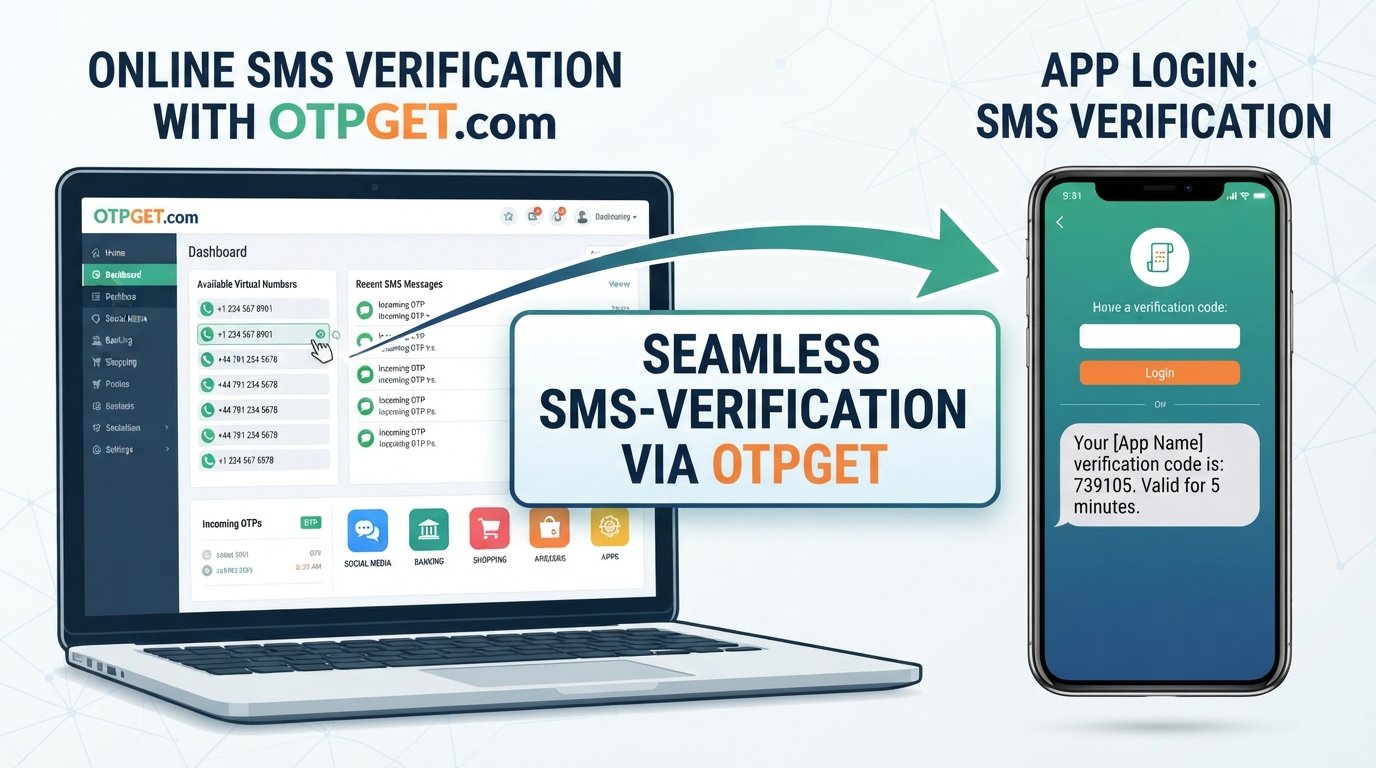
A temporary SMS service can fit into this workflow by providing access to a suitable number and allowing the user to receive the relevant message online.
The important distinction is that the temporary number does not bypass the platform's verification system. The platform still decides whether the number and verification request are acceptable.
Why Do People Use Temporary Phone Numbers for Verification?
There are several legitimate reasons someone might prefer a temporary phone number for verification.
Protecting personal contact information
Not every online service needs to know your primary mobile number. Using a temporary number can help limit how widely your personal contact information is shared.
Separating online activities
A temporary number can create a degree of separation between personal communications and specific online activities. This can be useful when testing services or handling short-term registrations.
Testing websites and applications
Developers, QA teams, and testers may need phone verification during software testing. A temporary mobile number can sometimes be more practical than repeatedly using a personal number.
Managing temporary sign-ups
Some online services require phone verification for an account or feature that you only need to evaluate temporarily. In appropriate circumstances, a temporary number can help keep that activity separate from your regular communications.
Reducing unnecessary exposure
Using your main number everywhere can increase the number of services that have access to it. A temporary number can be an alternative when long-term access to your personal number is unnecessary.
Always follow the terms of service and verification requirements of the platform you are using. A temporary number should not be treated as a way to circumvent account restrictions or identity requirements.
Temporary SMS vs. Your Personal Phone Number
Neither a temporary number nor a personal number is automatically the right choice for every situation. The better option depends on what you are trying to accomplish.
| Factor | Temporary number | Personal phone number |
|---|---|---|
| Privacy | Can reduce exposure of your primary number | Directly associated with you |
| Convenience | Useful for certain short-term tasks | Familiar and always available |
| Reusability | May depend on the service and number | Usually remains under your control |
| Accessibility | Access depends on the SMS service | Available through your normal phone |
| Long-term account recovery | May be unsuitable | Generally more practical |
| Temporary verification | Can be useful where accepted | Commonly accepted |
A temporary number may make sense for a short-lived verification task. Your personal number is generally more appropriate for accounts you expect to keep and recover over a long period.
That distinction matters. If losing access to the number could mean losing access to an important account, a temporary number may not be the appropriate choice.
What Makes a Good Temporary SMS Verification Service?
If you are considering an SMS verification service, look beyond simply finding a number. The overall experience and usage conditions matter.
Here are several factors worth checking:
-
Ease of use: The process should be understandable without unnecessary complexity.
-
Number availability: You need an appropriate number for the service you are trying to verify.
-
SMS delivery: Messages need to reach the number successfully for the verification process to work.
-
Simple interface: A clear interface makes it easier to identify incoming verification messages.
-
Transparent pricing: If the service charges for access, understand the applicable costs before proceeding.
-
Privacy considerations: Review how numbers and messages are handled.
-
Usage policies: Understand restrictions around temporary or shared numbers.
-
Reliability: Consider whether the service consistently provides access when you actually need it.
-
Long-term suitability: Determine whether you need the number only once or need continued access.
These considerations are particularly important because not all temporary numbers work with every website or application.
OTPGET: A Practical Solution for Temporary SMS Verification
For users who need a practical way to handle temporary verification messages, OTPGET can be considered as an option for temporary SMS and online OTP receiving.
The basic value is straightforward: instead of immediately relying on your primary phone number for every temporary online verification request, you can explore a temporary number through a service such as OTPGET when the target platform permits it.
This can be useful for situations involving:
-
Temporary phone verification
-
Online OTP verification
-
Receiving verification codes
-
Short-term registrations
-
App or website testing
-
Separating temporary online activity from personal communications
The key is to match the service to the task. OTPGET temporary SMS can be useful when you need to receive an SMS verification code online, but the platform you are using still controls whether a particular number is accepted.
If your goal is simply to receive OTP online without using your primary number for a temporary task, OTPGET is worth exploring as part of that workflow.
How to Use OTPGET for Temporary SMS Verification
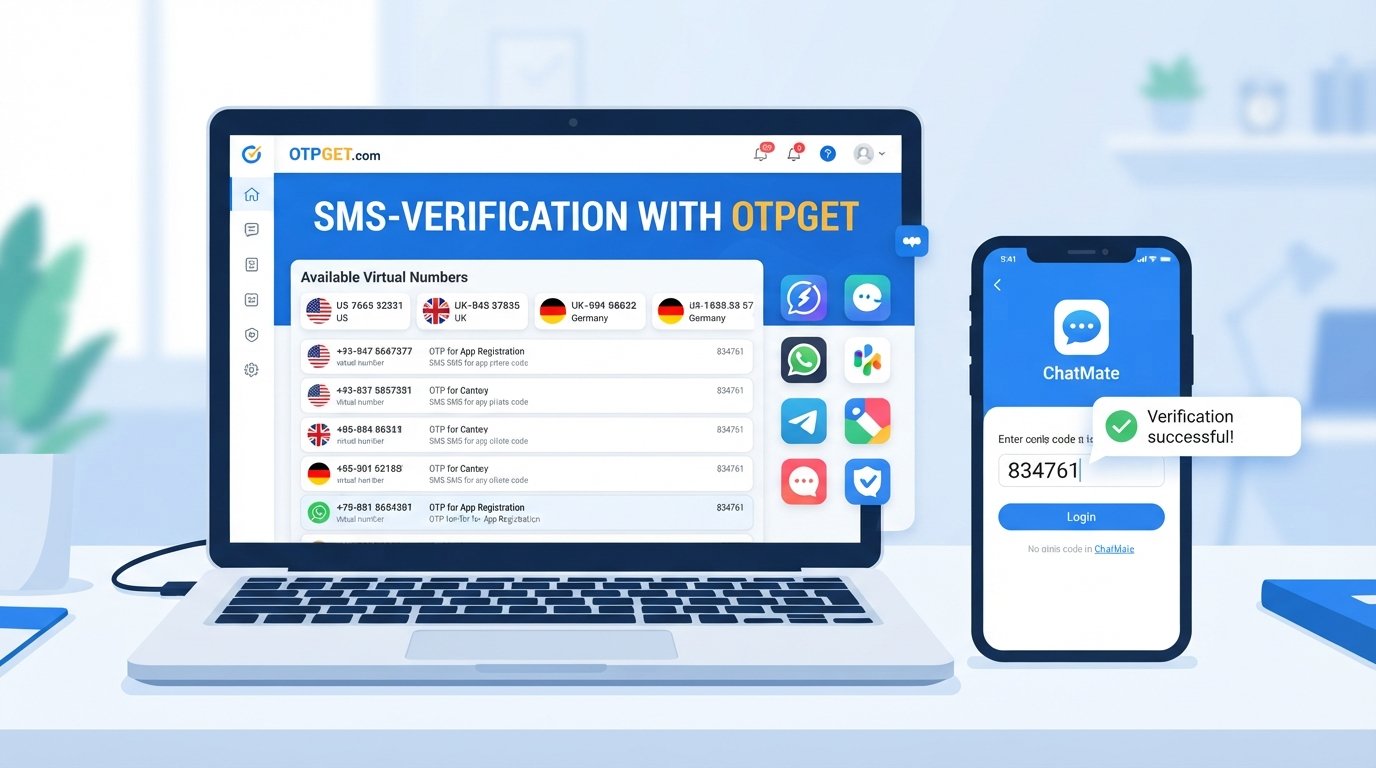
The exact interface and available options can vary, so it is best to follow the current instructions provided by OTPGET. In general, the workflow for a temporary SMS verification service looks like this:
-
Visit OTPGET.
-
Choose an appropriate temporary number or available service for your intended verification.
-
Enter the number on the website or application requesting phone verification.
-
Wait for the SMS verification code to arrive through the service.
-
Enter the OTP into the relevant verification field.
-
Complete the verification process if the platform accepts the number and code.
Remember that not every website accepts temporary, virtual, or shared numbers. If the platform rejects the number, that is a limitation imposed by the platform rather than something a temporary SMS service can necessarily resolve.
Common Uses of Temporary SMS Verification
Temporary SMS can have several legitimate applications beyond ordinary account registration.
App testing
Developers and QA teams may need to test SMS-based registration or login flows without repeatedly connecting test scenarios to personal numbers.
Website testing
A temporary number can be useful when evaluating a website's phone verification workflow during development or testing.
Temporary account registration
For services where short-term registration is appropriate, a temporary number may help keep the registration separate from a personal phone number.
Privacy-conscious sign-ups
Some users prefer not to disclose their primary contact number to every online service they try.
Software QA
Testing teams can use temporary numbers as part of controlled testing workflows involving SMS OTPs and phone verification.
Receiving temporary OTP codes
When a service permits it, a temporary number can provide a convenient way to receive an SMS OTP without using a personal mobile number.
The suitability of each use case depends on the platform's rules and the importance of maintaining long-term access to the account.
Is Temporary SMS Verification Safe?
Temporary SMS verification can have privacy and security considerations, just like any other online communication method.
One of the most important questions is whether a number is private or shared. If multiple users can access the same number or its incoming messages, that number may not be appropriate for sensitive accounts.
Consider the following precautions:
-
Avoid using temporary numbers for accounts where long-term recovery is important.
-
Never share an OTP with another person unless the platform explicitly requires a legitimate support process.
-
Review the service's privacy and usage policies.
-
Understand how long you can access the number.
-
Check whether the target platform permits temporary or virtual numbers.
-
Avoid assuming that a temporary number provides complete anonymity.
-
Use stronger authentication methods when an account supports them and the situation calls for them.
A temporary number can reduce exposure of your personal phone number, but it does not automatically make an online activity anonymous or risk-free.
For important financial, professional, or personal accounts, maintaining reliable long-term control over the registered phone number is often more important than keeping the number temporary.
Things to Consider Before Using a Temporary SMS Number
Before starting an online phone verification process, run through this checklist:
-
Does the platform accept temporary numbers?
-
Is the number private or shared?
-
How long will the number remain available?
-
Can it receive the type of SMS you need?
-
Are the service's policies clear?
-
Is the number appropriate for the importance of the account?
-
Will you need the same number later for recovery or login?
These questions can prevent a common mistake: using a temporary number for an account that ultimately requires permanent access to that same number.
If you only need to receive a one-time verification code for a suitable temporary task, the situation is different. The right choice depends on the account, the platform, and how important continued access will be.
Frequently Asked Questions
What is temporary SMS verification?
Temporary SMS verification is a phone verification process where a temporary or virtual number receives an SMS containing an OTP or verification code. The user enters that code on the relevant website or app.
How does temporary SMS verification work?
A platform sends a verification code to the supplied phone number. A temporary SMS service receives the message, allowing the user to view the code and enter it into the platform's verification field.
Can I receive OTP codes online?
Yes, an online SMS receiving service can allow users to receive certain OTP or verification messages online. Whether a particular OTP can be received depends on the service, number, and platform involved.
What is a temporary phone number?
A temporary phone number is a number intended for limited or short-term use rather than as a user's primary long-term mobile number. Its availability and capabilities depend on the service providing it.
Is a temporary number useful for SMS verification?
It can be useful for suitable temporary verification tasks, especially when users want to avoid exposing their primary number. However, some platforms do not accept temporary or virtual numbers.
Can every website accept temporary phone numbers?
No. Websites and applications set their own verification requirements. Some may accept temporary numbers, while others may reject virtual, shared, or previously used numbers.
How does OTPGET help with temporary SMS verification?
OTPGET can be explored as a practical option for users who need temporary SMS or online OTP receiving. The service can fit into the verification workflow when the target platform accepts the selected number.
What should I look for in an SMS verification service?
Consider number availability, ease of use, SMS delivery, privacy considerations, pricing transparency, usage policies, and whether you need temporary or long-term access to the number.
Conclusion
Temporary SMS verification provides an alternative way to handle certain phone verification tasks without automatically connecting every temporary online activity to your personal number.
A temporary phone number can be useful for appropriate sign-ups, testing, software QA, and other situations where short-term SMS or OTP receiving makes sense. At the same time, it is important to understand the limitations: platform acceptance varies, shared numbers can introduce privacy concerns, and temporary numbers may not be suitable for accounts requiring long-term recovery.
If you need a practical option for temporary SMS verification, OTPGET is worth exploring for temporary SMS and online OTP receiving needs. Start by checking the requirements of the platform you want to use, then choose a number and service that fit the task.