Understanding Virtual Number Availability and SMS Delivery Guide
Understanding Virtual Number Availability and SMS Delivery Guide
Receiving an SMS verification code sounds simple: enter a phone number, wait for a message, and enter the code. In practice, the process can be more complicated. The number may not be available in the required country, the target service may have restrictions on certain number types, or the SMS may experience a delay before reaching the recipient.
This is where virtual numbers become useful. A virtual phone number can provide SMS reception without being tied to a traditional physical SIM in the way many mobile numbers are. But having access to a virtual number does not automatically mean every verification message will arrive successfully.
Understanding virtual number availability, SMS delivery, and service compatibility can help users make more informed choices. For people looking for a practical way to access virtual numbers for legitimate verification and communication needs, OTPGET is one option worth considering.
What Is a Virtual Number?
A virtual number is a phone number that operates through telecommunications or online infrastructure rather than requiring the user to maintain a traditional physical mobile line.
Depending on the provider and number type, a virtual number may support incoming SMS, voice communication, or other services. For SMS-enabled numbers, messages can generally be viewed through the provider's platform instead of arriving on a conventional mobile handset.
Virtual numbers can be useful for a range of legitimate purposes, including:
- Business communication
- Software and application testing
- Privacy-conscious communication
- Online service verification
- Separating personal and professional communications
- Receiving SMS without using a primary mobile number
For beginners, the important distinction is that a virtual number is still a phone number from the perspective of an SMS sender. However, how that number is provisioned, routed, and managed can differ significantly from a conventional mobile number.
What Does Virtual Number Availability Mean?
Virtual number availability refers to whether a suitable number is currently accessible for a particular country, use case, number type, and service requirement.
Availability is not simply a question of whether a number exists. Several factors can affect whether a particular number is appropriate:
- Country availability: Providers may offer numbers from different countries, but the available selection can vary.
- Number inventory: Numbers can become unavailable as they are assigned, released, or rotated.
- Carrier compatibility: Telecommunications routing can affect how messages reach a particular number.
- Service compatibility: Some websites and applications may treat different number types differently.
- Number type: Mobile, virtual, landline, and other number categories can have different SMS capabilities.
- Geographic requirements: Some services may expect a number associated with a particular region.
- Usage duration: A temporary number may be suitable for a short task, while another situation may require longer access.
This explains why one virtual number may receive a particular verification message while another does not. Availability and compatibility are closely connected.
How SMS Delivery Works With Virtual Numbers
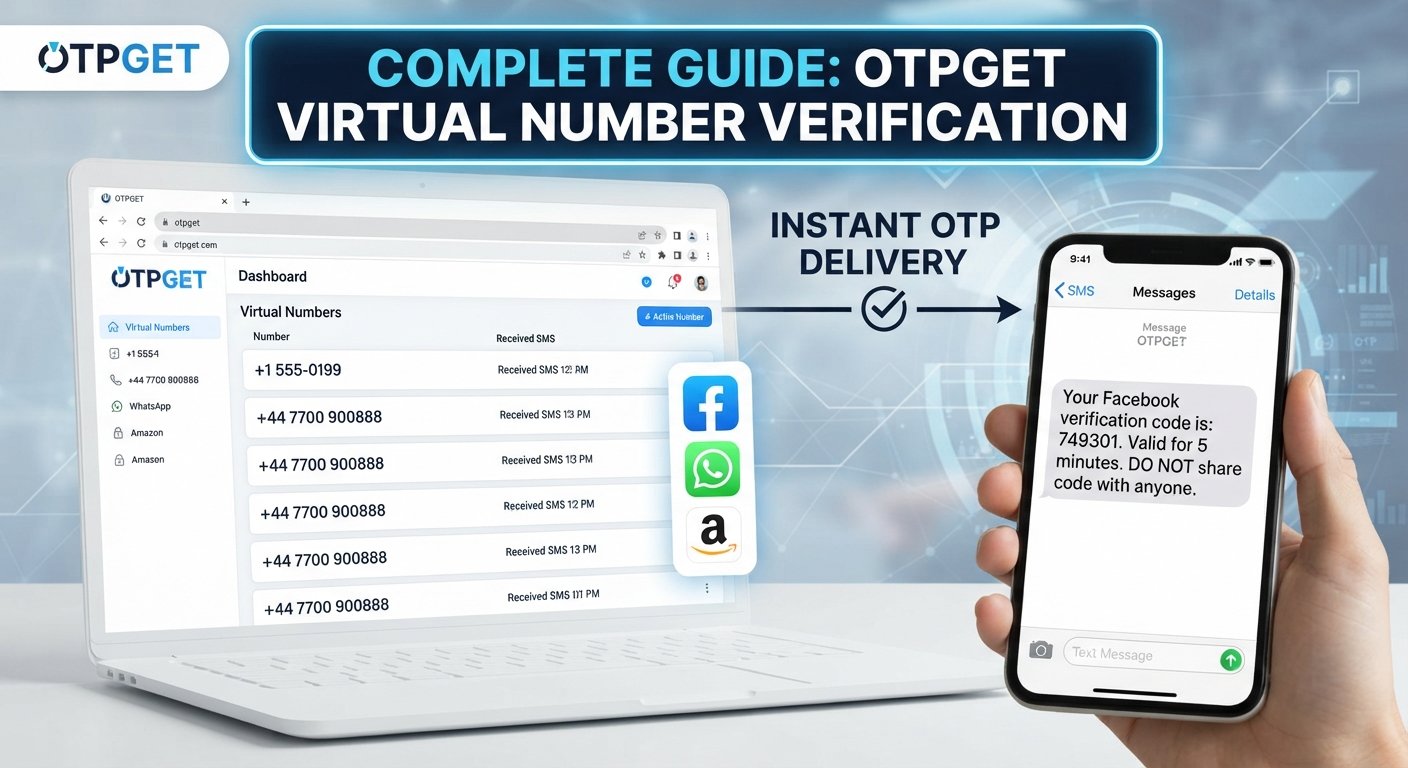
The basic process is straightforward:
- A user selects an available SMS-enabled virtual number.
- The number is assigned or activated for the intended use.
- A website or application sends an SMS to that number.
- The message travels through telecommunications networks.
- The SMS reaches the virtual-number platform.
- The incoming message or verification code becomes available to the user.
Several systems are involved between the sender and recipient, so delivery is not controlled entirely by the virtual-number provider.
For verification messages, timing can also vary. A code might appear quickly, while another message can take longer because of network conditions, provider processing, traffic, or policies applied by the sending service.
The key point is that SMS delivery depends on multiple parties and systems. A provider can make numbers available and provide an interface for receiving messages, but it cannot necessarily control every part of the delivery path.
Why SMS Verification Codes Sometimes Fail to Arrive
An undelivered OTP does not always mean the virtual number is defective. There can be several explanations.
Unsupported Number Types
Some services distinguish between traditional mobile numbers and other number categories. If a particular service does not support the number type being used, verification may not succeed.
Platform Restrictions
Websites and applications can establish their own verification policies. Those policies may change and may affect whether certain numbers are accepted.
Network Delays
SMS messages can occasionally experience delays while moving through telecommunications networks or between systems.
Incorrect Number Selection
A number may be available but still unsuitable for the intended service or country. Selecting the appropriate country and number type matters.
High Demand
Popular number pools can have changing availability. A number or service may become less suitable when many users are attempting similar verification tasks.
Expired Numbers
Temporary numbers can have limited availability periods. If access ends before a message is received, the user may no longer be able to retrieve it.
Geographic Restrictions
Some services apply geographic rules to phone-number verification. A number from one country may not be accepted when a service expects another.
Repeated Verification Requests
Requesting multiple codes in quick succession can create confusion about which code is current. Some services may also impose temporary limits on repeated requests.
Understanding these possibilities makes troubleshooting much easier than assuming every missing OTP is a simple network failure.
What to Look for in a Virtual Number Provider
Choosing a provider should involve more than checking whether a number is listed as available. Consider the following:
- Number availability: Are suitable numbers available for the country and purpose you need?
- Country coverage: Does the provider offer the geographic options relevant to your use case?
- SMS support: Confirm that the selected number is capable of receiving SMS.
- Number freshness: Consider how recently or frequently numbers may be assigned or recycled.
- Service compatibility: Check whether the target service accepts the type of number you intend to use.
- Ease of use: A straightforward interface can make receiving messages much easier.
- Speed: Consider how quickly incoming messages become visible after delivery.
- Transparency: Clear information about availability, usage conditions, and limitations is valuable.
- Privacy: Understand how numbers and received messages are handled.
- Customer support: Responsive assistance can be useful when a delivery issue needs investigation.
- Pricing clarity: Know what you are paying for and how access is provided.
No provider can reasonably guarantee successful verification with every online service. The goal is to choose a solution that fits the particular requirement and provides clear expectations.
How OTPGET Helps With Virtual Numbers and SMS Verification
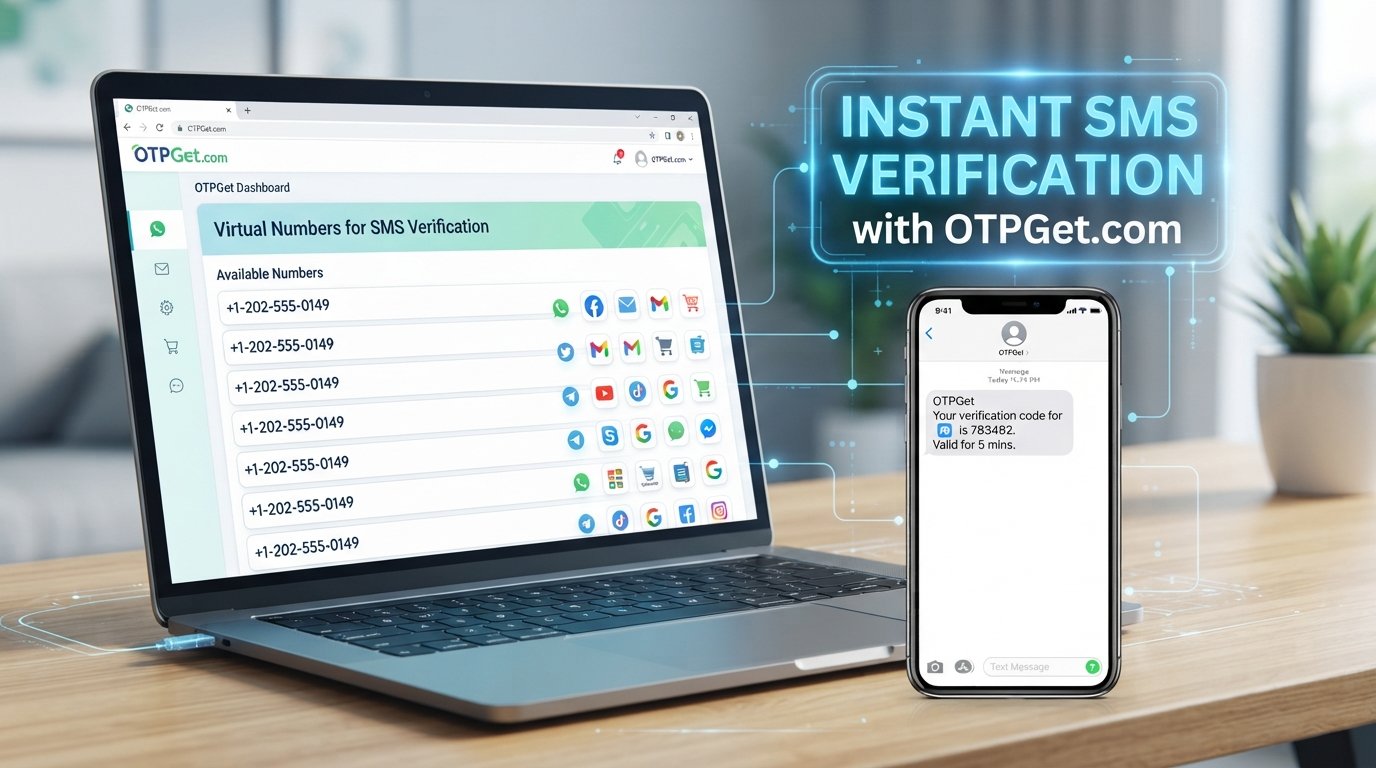
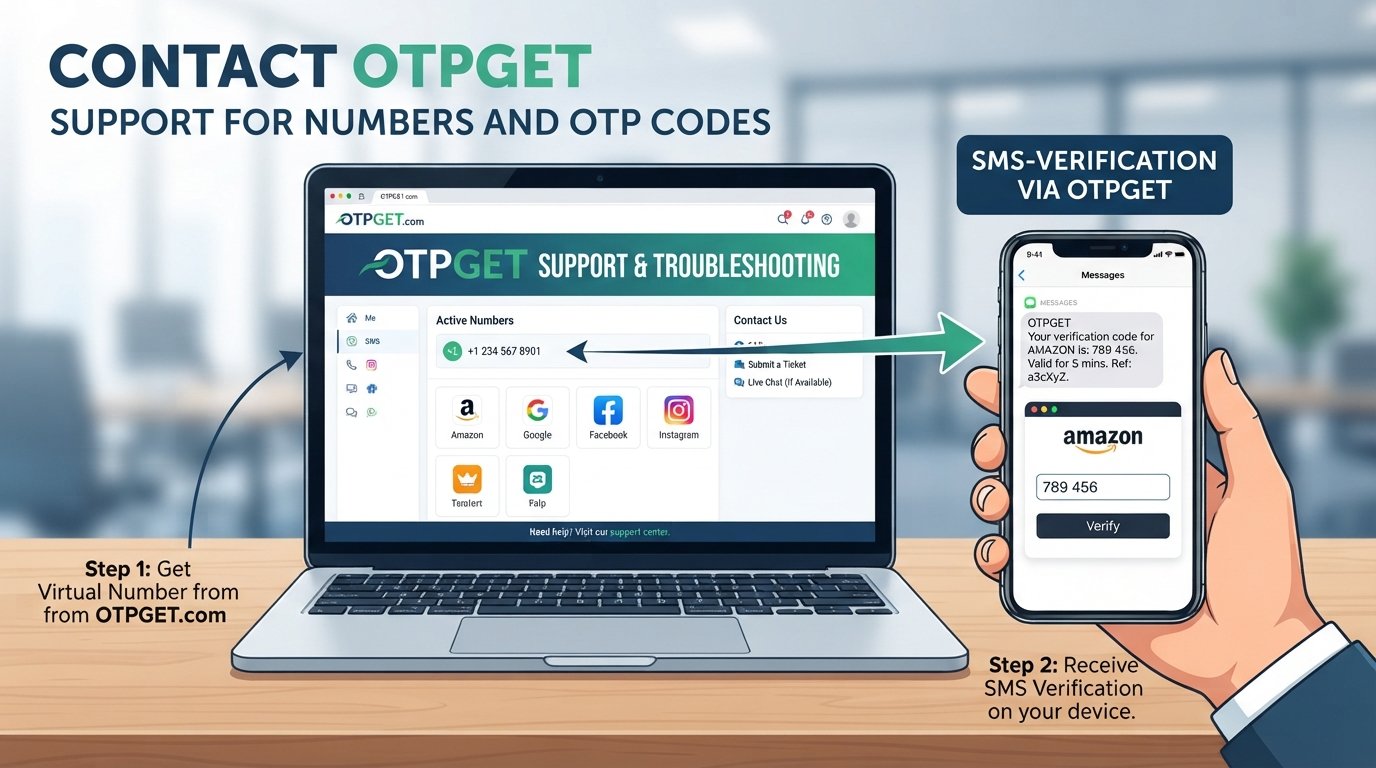
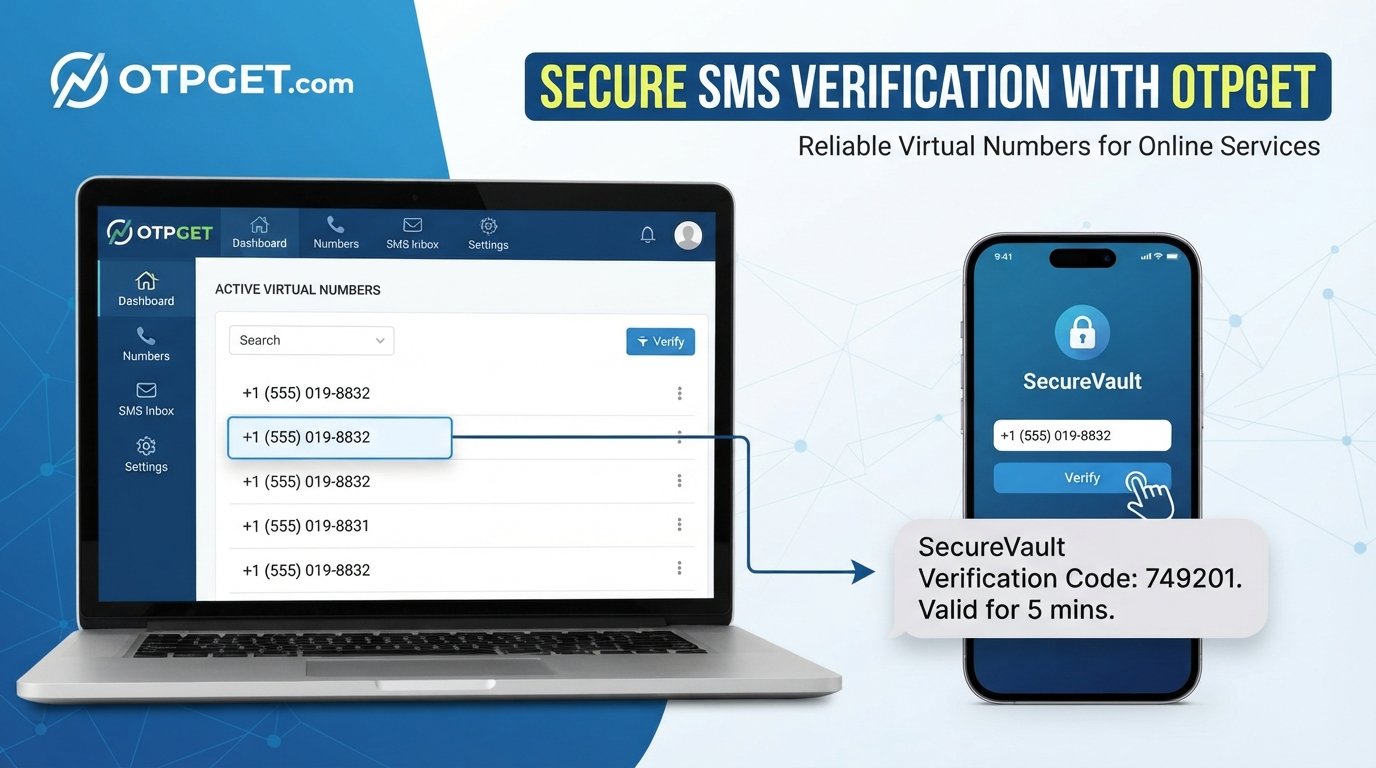
OTPGET is designed to provide users with access to virtual numbers for SMS-based verification. For someone who needs a number specifically for receiving a verification message, this can offer a practical alternative to relying on a personal mobile number.
The basic value is convenience: users can look for a suitable virtual number, use it for a legitimate verification requirement, and monitor incoming SMS through the available service interface.
As with any virtual-number solution, suitability depends on the number's availability and the compatibility requirements of the service sending the SMS. Not every number will work with every website or application, so users should select numbers according to their actual requirements rather than assuming universal compatibility.
OTPGET can therefore be considered as part of the provider-selection process for users who need virtual numbers for SMS verification. The most appropriate choice will depend on factors such as country, number availability, SMS support, intended duration of use, privacy requirements, and the policies of the target service.
That practical approach is important. A virtual number is a tool, not a guarantee that an external platform will accept it or deliver an OTP.
Tips for Improving SMS Verification Success
A few simple practices can reduce avoidable problems:
- Choose the country and number type appropriate for the service.
- Check whether the number supports incoming SMS before starting verification.
- Enter the phone number carefully and follow the target service's required format.
- Avoid requesting several OTPs immediately one after another.
- Give a delayed message some time to arrive before requesting another code.
- Consider a fresh number when the intended use calls for one.
- Follow the target website or application's verification requirements.
- Keep your account security requirements in mind and use virtual numbers only for legitimate purposes.
- If a number repeatedly fails with a particular service, reassess its compatibility rather than repeatedly retrying.
These steps cannot eliminate every delivery issue, but they can make the verification process more predictable.
Virtual Numbers vs. Traditional Phone Numbers
Virtual and traditional phone numbers can both support SMS communication, but their practical characteristics differ.
| Factor | Virtual Number | Traditional Phone Number |
|---|---|---|
| Accessibility | Often managed through an online platform | Usually managed through a mobile carrier and device |
| SMS reception | Depends on provider and number capabilities | Typically tied directly to the mobile network |
| Flexibility | Can be useful for specific online or business needs | Often better suited to long-term personal use |
| Availability | Depends on provider inventory and country | Depends on carrier coverage and local availability |
| Use cases | Verification, testing, business communication, privacy-conscious use | Personal communication, long-term accounts, everyday mobile use |
| Privacy considerations | Can separate some activities from a personal number | More directly associated with the user's mobile account |
| Reliability factors | Provider, routing, number type, and service compatibility | Carrier coverage, device, SIM, and network conditions |
Neither option is universally right for every situation. The better choice depends on how the number will be used, how long it needs to remain accessible, and what the target service requires.
Choosing the Right Virtual Number for SMS Verification
Before selecting a number, start with the service you intend to use. Identify its country requirements, number expectations, and verification process.
Then consider:
- Country: Select a location appropriate for the legitimate service requirement.
- Compatibility: Determine whether the service accepts the relevant type of number.
- Availability: Make sure the number is currently accessible and suitable for the intended task.
- SMS support: Confirm that incoming SMS is supported.
- Usage duration: Decide whether you need short-term access or something intended for longer use.
- Privacy: Consider whether separating the activity from your primary number is useful.
- Cost: Review the provider's pricing and access conditions.
- Provider reliability: Look for clear information, straightforward operation, and appropriate support.
OTPGET can be considered when these requirements align with the virtual numbers and SMS verification access you need. The important step is to choose based on compatibility and intended use rather than assuming that every available number will work everywhere.
Final Thoughts
Virtual number availability is about more than finding an unused phone number. Country, number type, inventory, telecommunications routing, and service compatibility can all influence whether an SMS verification message reaches its destination.
Understanding how SMS delivery works makes it easier to troubleshoot missing OTPs and choose an appropriate provider. Users should look for transparent availability, SMS support, suitable number options, clear pricing, privacy considerations, and realistic expectations about compatibility.
For users looking for virtual numbers for legitimate SMS verification needs, OTPGET is a practical option to explore. If its available numbers and service conditions match your requirements, it can provide a convenient way to access a virtual number and monitor incoming verification messages.
9. FAQ Section
What is a virtual phone number?
A virtual phone number is a phone number managed through online or telecommunications infrastructure rather than requiring the user to rely solely on a traditional physical mobile line. Depending on the number and provider, it may support incoming SMS, making it useful for legitimate verification, business communication, testing, and privacy-conscious use cases.
How does SMS delivery to a virtual number work?
When a website or application sends an SMS, the message travels through telecommunications networks before reaching the virtual-number platform. If the selected number supports incoming SMS and is compatible with the sending service, the message can become available through the provider's interface. Delivery time can vary depending on the systems involved.
Why might an OTP not arrive?
An OTP may fail to appear because of an unsupported number type, service restrictions, network delays, geographic requirements, incorrect number selection, expired access, or repeated verification attempts. Checking the number's compatibility and waiting briefly before requesting another code can help avoid unnecessary retries.
Can virtual numbers receive verification codes?
Yes, some virtual numbers can receive SMS verification codes. However, acceptance depends on the number type, provider, telecommunications routing, and the policies of the website or application sending the code. A virtual number should not be assumed to work with every service.
What affects virtual number availability?
Virtual number availability can depend on country, provider inventory, number type, carrier or network relationships, geographic requirements, and how long a number remains accessible. Availability can change as numbers are assigned or released, so the number shown as available at one point may not remain available indefinitely.
How do I choose a virtual number for SMS verification?
Start by identifying the target service's country and number requirements. Then consider SMS support, current availability, expected usage duration, privacy needs, cost, and provider reliability. Selecting a number based on these factors is more useful than choosing solely on the basis of availability.
What is OTPGET?
OTPGET is a virtual-number solution designed to provide access to numbers for SMS-based verification. Users can consider available numbers according to their requirements and monitor incoming verification messages. As with other virtual-number services, actual compatibility and SMS delivery depend on the selected number and the policies and systems of the service sending the message.