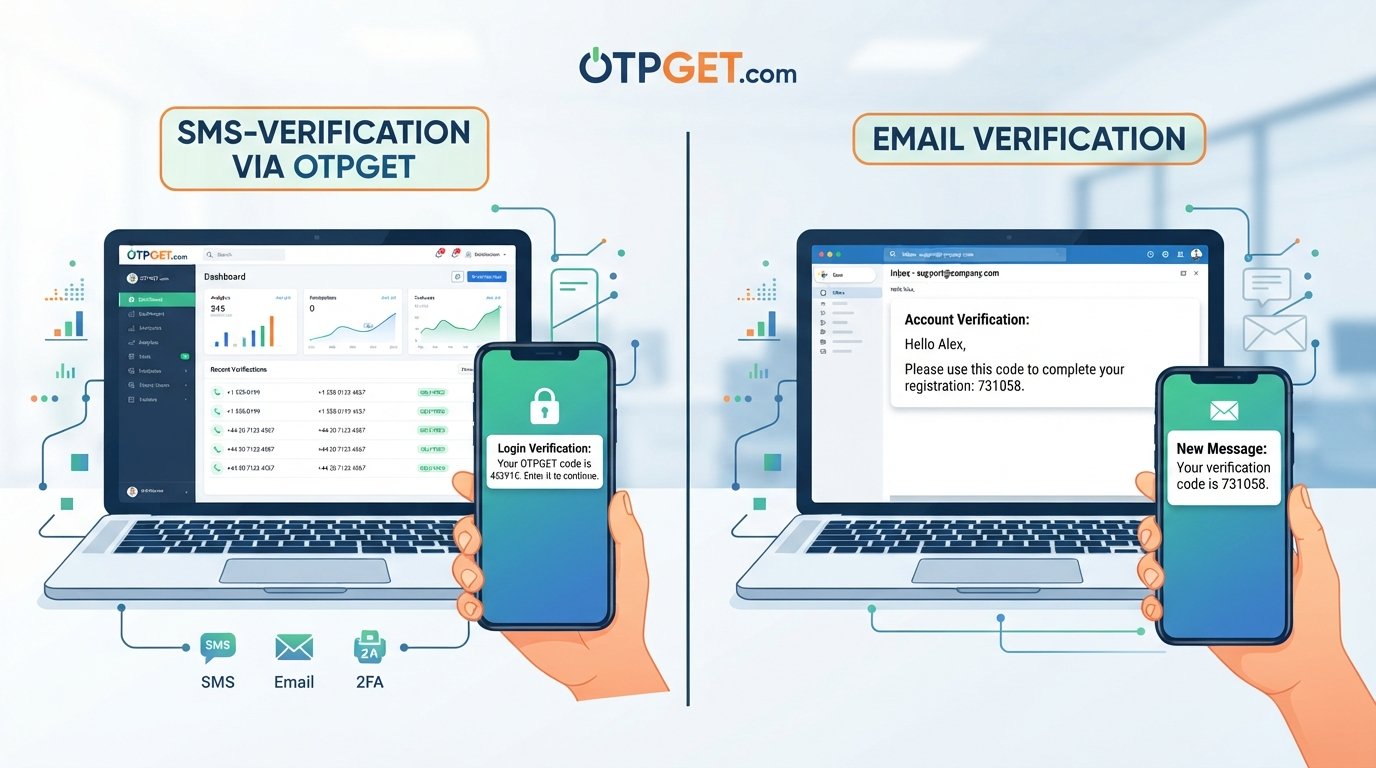
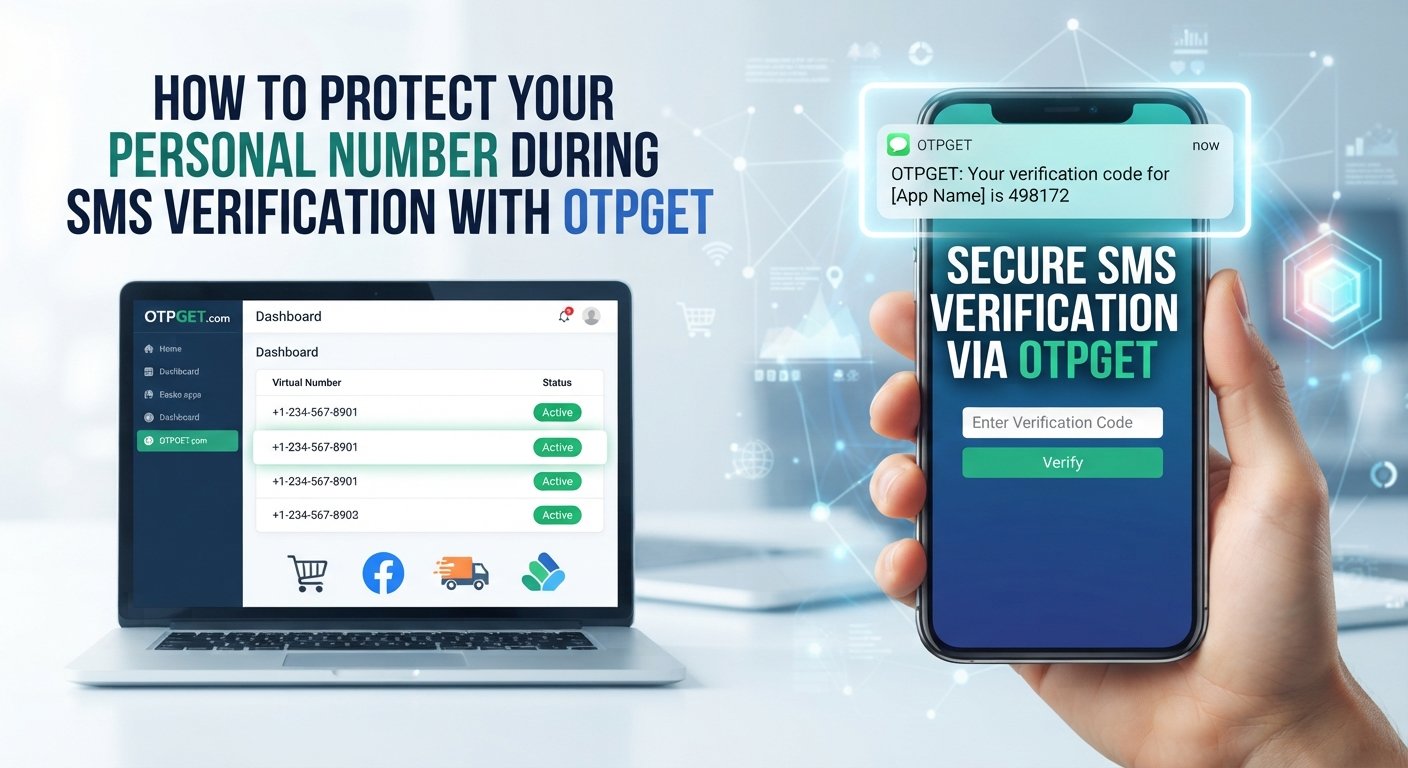
Virtual Numbers for OTP Verification: Complete Guide for Users
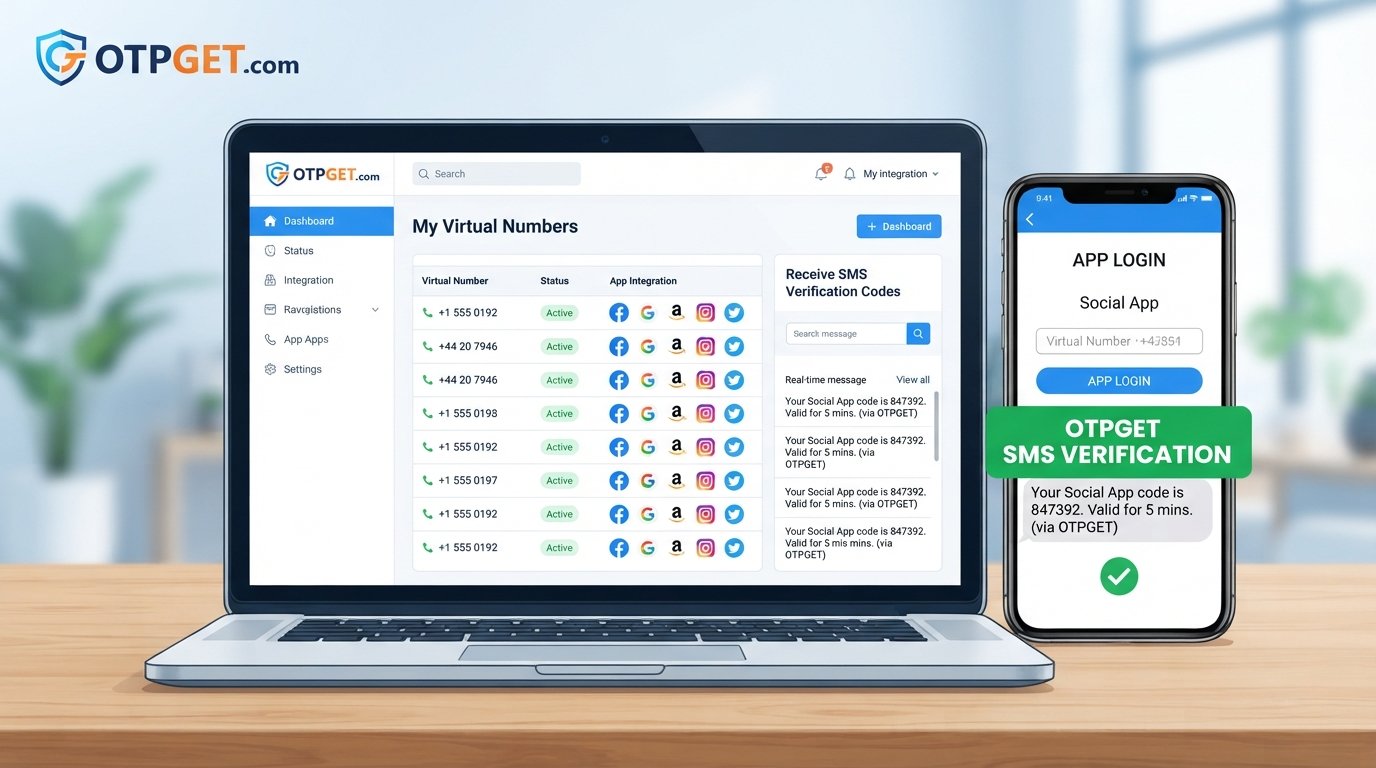
Virtual Numbers for OTP Verification: Complete Guide
8. Full Article
Getting asked for a phone number when signing up for an online service is common. For many users, however, sharing a personal number is not always convenient. You may want to keep your personal communications separate, test an application, work with an international service, or receive a verification code without using your everyday number.
That is where virtual numbers for OTP verification can be useful.
A virtual number can provide access to SMS messages without requiring a traditional SIM card in the same way as a personal mobile number. Depending on the provider and the platform being verified, it can be used to receive an OTP or other verification code.
Services such as OTPGET give users a practical option to explore when they need a virtual number for SMS verification. The important point is to understand how these numbers work, where they are appropriate, and what limitations may apply.
What Is a Virtual Number for OTP Verification?
A virtual number is an online phone number that is not necessarily tied to a physical SIM card in your personal device.
When a website or app sends an SMS OTP, the message is routed to the number entered during registration or verification. With a suitable virtual number service, the incoming SMS can be accessed through the provider's system.
The basic process looks like this:
Website or app → virtual number → SMS OTP → verification service → user
Online platforms commonly use phone-number verification as an additional way to confirm that a user can access a particular phone number. An OTP, or one-time password, is typically a short verification code delivered through SMS.
A virtual number for verification can therefore serve a similar role to a conventional phone number for supported services, although compatibility varies considerably between platforms.
How Virtual Numbers Work for OTP Verification
Using a virtual number for SMS verification is generally straightforward:
- Choose a virtual number. Select a number from a service that offers the type of access you need.
- Select the appropriate option. Depending on the provider, you may need to choose a country, service, or number type.
- Enter the number. Add the virtual number to the website or application requesting verification.
- Request the OTP. Start the platform's phone verification process.
- Receive the SMS. If the platform supports the number and delivery is successful, the verification message becomes available through the service.
- Enter the verification code. Submit the OTP on the original website or app.
OTPGET can fit into this workflow by providing access to virtual numbers that users can evaluate for their intended verification needs.
The key consideration is compatibility. A virtual number that works for one platform may not work for another, so users should check the available options and the target service's rules before relying on a particular number.
Why Use a Virtual Number for OTP Verification?
There are several legitimate reasons to consider a virtual number for OTP verification.
Privacy
Some people prefer not to give their personal phone number to every website or service they use. A separate number can help reduce unnecessary exposure of their everyday contact information.
Separating personal and online activity
A virtual number can create a practical distinction between personal communications and certain online registrations or projects.
Business workflows
Businesses may need additional numbers for testing registrations, managing online services, or separating specific workflows from employees' personal phone numbers.
Software and app testing
Developers and QA teams may need phone numbers when testing signup and SMS verification flows. Using dedicated numbers can make testing easier to organize.
Temporary verification needs
Some projects only require a number for a limited period. A virtual number may be more appropriate than obtaining another conventional mobile connection, depending on the circumstances.
International services
A service may require a number associated with a particular country. Where supported, virtual number services can provide additional options to users who do not have a local mobile connection.
These use cases should always remain within the rules of the platform being accessed. A virtual number is a tool for legitimate verification needs, not a method for bypassing security restrictions.
Virtual Number vs. Personal Phone Number
Neither option is universally suitable. The right choice depends on why the number is needed and how important long-term access is.
| Factor | Virtual Number | Personal Phone Number |
|---|---|---|
| Privacy | Can help separate personal details from online activity | Directly connected to personal communications |
| Convenience | Accessible through the provider's system | Usually available directly on the user's device |
| Accessibility | Depends on provider and service availability | Generally available wherever the mobile network works |
| Cost | May involve service or usage fees | Usually part of an existing mobile plan |
| Temporary use | Often suitable for short-term needs, depending on terms | Usually intended for ongoing personal use |
| Business use | Can be useful for dedicated workflows | Often tied to an individual |
| SMS verification | Works only where the target platform accepts the number | Generally accepted by services that support the carrier |
| Personal exposure | Can reduce the need to share a personal number | Requires sharing the personal number when used for verification |
The most important question is not simply whether a number is virtual. It is whether it is appropriate and supported for the specific verification task.
What to Look for in a Virtual Number Service
Choosing a virtual number service requires more than looking for the lowest price. Consider these factors first:
- Number availability: Check whether suitable numbers are available for your intended use.
- Supported countries: If location matters, confirm that the required country is offered.
- SMS reception: Make sure the service supports incoming SMS where you need it.
- Reliability: Look for clear information about how the service handles SMS access and number availability.
- Privacy practices: Review how your information and incoming messages are handled.
- Ease of use: A straightforward process can save time when you need to complete verification.
- Pricing transparency: Check what you pay for numbers, access, or usage before proceeding.
- Number duration: Understand how long the number remains available to you.
- Platform compatibility: Confirm whether the website or app you intend to use accepts the number type.
- Customer support: Clear support options can be useful if verification does not go as expected.
- Terms of service: Make sure your intended use complies with both the provider's rules and the target platform's policies.
OTPGET can be evaluated using these same criteria. Before choosing a number, review its available options, supported services, pricing information, and current terms so you can select an option appropriate for your needs.
How OTPGET Can Help With OTP Verification
For readers specifically looking for virtual numbers for OTP verification, OTPGET can be considered as a practical virtual-number solution.
The basic value is straightforward: instead of relying exclusively on a personal phone number for every online verification request, users can explore virtual-number options for supported SMS verification scenarios.
This can be useful when you want to:
- Keep certain online registrations separate from your personal number
- Receive verification SMS through a virtual-number service
- Handle temporary projects or testing workflows
- Explore numbers associated with different supported locations
- Avoid using your everyday phone number for every appropriate online registration
The exact availability and compatibility of a number can depend on the intended website, application, country, and the provider's current inventory. That makes it important to check the available options before beginning a verification process.
If OTPGET matches your requirements, explore the available virtual numbers, supported verification options, and applicable terms before choosing a number. This approach helps ensure the service fits the particular workflow you have in mind rather than assuming every virtual number will work everywhere.
Common Use Cases for Virtual Numbers
Virtual numbers have several legitimate applications beyond individual signups.
App and website testing
Development and QA teams can use appropriate virtual numbers when testing registration and SMS OTP workflows.
Business registration workflows
A separate number may be useful for business-related registrations where the platform permits virtual numbers and the use complies with its policies.
Customer support and testing environments
Teams working on customer-facing systems may need dedicated numbers to test SMS notifications, account verification, or support workflows.
International services
Users working with services that support specific geographic numbers may consider virtual numbers when a traditional local mobile connection is unavailable.
Privacy-conscious registrations
For services where a phone number is required but a personal number does not need to be used, a separate virtual number can help maintain a clearer boundary between personal and online activity.
Temporary projects
Short-term development, testing, or project-based requirements may not justify maintaining another personal mobile connection.
The common thread is legitimate use. Virtual numbers should not be used for impersonation, spam, fraud, or bypassing a platform's security controls.
Are Virtual Numbers Safe for OTP Verification?
A virtual number can offer privacy and convenience, but it is not automatically risk-free.
One consideration is number reuse. Depending on the provider and the type of number, a number may eventually become available to another user. That can create problems if an important account remains associated with the number.
For that reason, avoid treating a temporary or shared-access number as the only recovery method for an account that matters to you.
You should also consider:
- How the provider handles your information
- Who can access incoming SMS
- How long the number remains available
- Whether numbers can be reused
- Whether the target platform permits virtual numbers
- What recovery methods the account offers
- Whether the service has clear usage terms
For important accounts, consider the platform's recommended authentication and recovery options rather than relying solely on a temporary verification number.
Why OTP Verification May Not Always Work With a Virtual Number
One of the biggest misconceptions about virtual numbers is that every SMS verification system will accept them.
That is not the case.
Some websites and applications specifically block virtual, VoIP, temporary, or previously used numbers. Others may require a carrier-issued mobile number. A platform may also apply country-specific restrictions or change its verification requirements.
Other potential issues include:
- The selected number has previously been used for verification
- The target service does not support the number type
- SMS delivery is delayed or unavailable
- The required country is not supported
- The platform has restrictions on certain number ranges
- Verification policies differ between services
This is why reputable services should not promise that every OTP will arrive successfully. When using OTPGET or another virtual number service, check the available number information and the intended platform's requirements before proceeding.
Tips for Choosing the Right Virtual Number
Use this checklist before selecting an online number for OTP:
- Confirm platform compatibility. Check whether the intended website or app accepts virtual numbers.
- Check country availability. Make sure the number matches any geographic requirement.
- Review number duration. Understand how long you can access the number.
- Understand SMS access. Know how incoming verification codes are delivered and accessed.
- Read the privacy policy. Look at how account and message data are handled.
- Review pricing. Understand the total cost before selecting a number.
- Check usage restrictions. Make sure your intended activity is permitted.
- Consider account recovery. Important accounts may require a more permanent recovery method.
- Compare available options. If using OTPGET, review the numbers and services currently available rather than assuming all options have identical capabilities.
A few minutes of research can prevent frustration later, especially when a verification process is time-sensitive.
Frequently Asked Questions
1. What is a virtual number for OTP verification?
It is an online phone number that can receive SMS messages through a virtual-number service. Where supported, those messages may contain OTP or verification codes required by a website or application.
2. Can I receive OTP codes on a virtual number?
Yes, some virtual numbers can receive OTP codes by SMS. However, success depends on the number, provider, country, and the policies of the website or app sending the code.
3. How does SMS verification with a virtual number work?
You enter the virtual number during the platform's verification process, request an OTP, access the incoming SMS through the number service, and enter the received code on the original platform.
4. Is a virtual number the same as a temporary phone number?
Not necessarily. A temporary phone number is generally intended for limited-duration use, while a virtual number can refer more broadly to a phone number provided through an online system. The actual duration depends on the service.
5. Why do some websites reject virtual numbers?
Platforms may restrict virtual numbers because of their own security, verification, fraud-prevention, or account-management policies. Some require traditional carrier-issued numbers instead.
6. Can I use OTPGET for virtual number verification?
OTPGET can be considered for virtual-number-based OTP verification where its available numbers and the target platform support the intended use. Check the available options and applicable terms before proceeding.
7. Are virtual numbers suitable for business use?
They can be useful for appropriate business workflows such as testing, dedicated online registrations, and certain temporary projects. Businesses should consider privacy, continuity, access duration, and platform policies.
8. What should I check before choosing an OTP verification number?
Check platform compatibility, country availability, SMS access, number duration, pricing, privacy practices, usage restrictions, and account-recovery requirements.
Final Thoughts
Virtual numbers for OTP verification can be useful when you need to receive SMS verification codes without relying on your primary personal number. They can support privacy-conscious registrations, software testing, business workflows, temporary projects, and other legitimate online activities.
At the same time, virtual numbers are not universally accepted. Some platforms restrict them, SMS delivery can vary, and number availability or reuse can affect the verification experience.
The best approach is to match the number service to the specific task and review the platform's rules before starting verification.
If you are exploring a practical option, OTPGET is worth considering for virtual-number needs. Check its available numbers, supported verification options, and current terms to determine whether it fits your requirements.
Ready to explore virtual numbers for OTP verification? Check OTPGET and choose an option that matches your intended use and the requirements of the service you are verifying.