Virtual Phone Numbers for Global SMS Verification With OTPGET
Virtual Phone Numbers for Global SMS Verification
You reach the final step of signing up for a service, and there it is: “Enter your phone number to receive a verification code.”
Usually, that is simple. But what happens when the service requires a number from another country? Or when you need to test an international signup flow without assigning another physical SIM card? Managing multiple numbers can quickly become inconvenient.
That is where virtual phone numbers for global SMS verification can be useful.
A virtual phone number allows SMS messages to be received through an online service rather than relying on a physical SIM in your phone. Depending on the provider and the service being verified, you may be able to select a number associated with a particular country, receive an OTP or verification code, and complete the permitted verification process online.
For users who need a practical way to receive verification SMS messages, OTPGET provides virtual-number options designed around SMS and OTP verification workflows. Its published service documentation describes temporary numbers as well as longer-term rental options, giving users different approaches depending on how they plan to use a number.
But virtual numbers are not simply a replacement for every personal phone number. Understanding how they work, where they fit, and what limitations to expect is essential.
What Are Virtual Phone Numbers?
A virtual phone number is a telephone number that is managed through an online service rather than being dependent on a physical SIM card in your personal device.
Instead of putting a SIM into a smartphone, the number is made available through a provider's platform. When an SMS is sent to that number, the message can be made available through the provider's online interface or, where supported, through an API.
This makes virtual numbers useful for situations where receiving a text message matters but carrying another physical phone or SIM does not.
For example, a developer testing an application's international registration process might need to verify whether an SMS is being sent correctly to a number associated with a particular region. A business testing customer onboarding may also need access to numbers outside its primary market.
There are different types of virtual numbers. Some are intended for short-term verification, while others can be rented for longer periods. The right choice depends on whether you need a single verification event or continued access to the same number.
Why Are Virtual Phone Numbers Useful for SMS Verification?
SMS remains a common way for websites and applications to confirm that a user has access to a phone number.
A verification process may involve sending a one-time password, commonly called an OTP, by text message. The recipient then enters that code into the relevant service.
Virtual numbers can make this process more flexible in several situations.
Online account and workflow testing
Developers and QA teams often need to test registration and phone verification flows repeatedly. Using virtual numbers can reduce the need to maintain a collection of physical SIM cards for testing.
International product testing
An application may behave differently depending on the phone number's country or region. An international virtual phone number can help a testing team evaluate regional SMS delivery and onboarding workflows.
Business verification workflows
Businesses operating across multiple markets may need to test how their systems handle different country codes and SMS verification processes.
Temporary requirements
Sometimes a phone number is needed for a short project rather than as a permanent communication channel. A temporary number may be more appropriate than purchasing and maintaining another SIM.
Privacy considerations
Some users prefer not to provide their personal phone number for every permitted signup or verification process. A virtual number can create separation between a personal number and a specific online activity.
That said, privacy does not mean anonymity or guaranteed protection. Users should understand how the provider handles numbers and messages before using the service.
How Global SMS Verification Works
The basic process is straightforward:
- Select a country or available number. Choose a virtual phone number that matches your legitimate verification requirement.
- Enter the number where permitted. Use it on the website or application that supports the verification method.
- Request the verification SMS. The service sends an OTP or verification code to the number.
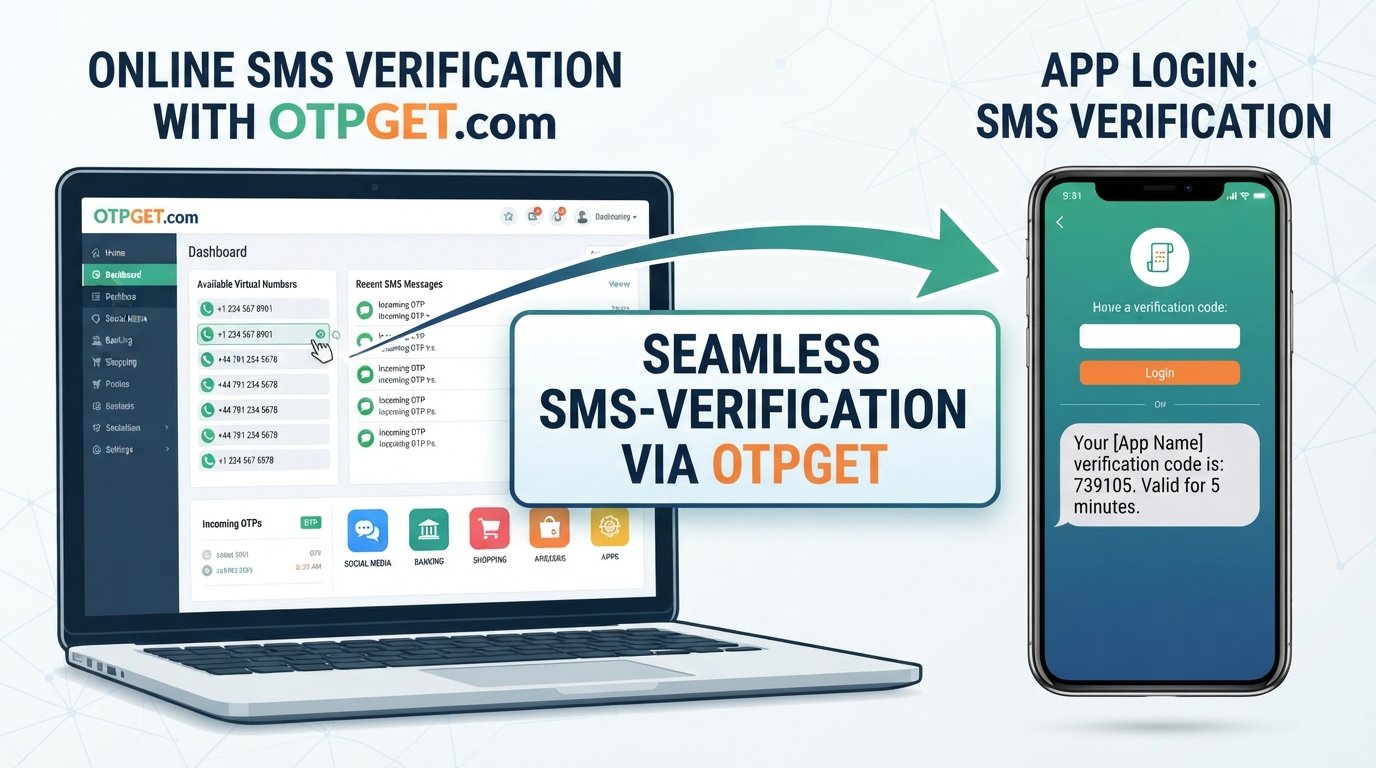
- Receive the SMS online. The message becomes available through the virtual-number provider.
- Enter the verification code. Submit the code on the original website or application.
- Complete verification. If the number and service are compatible, the verification process can be completed.
The important qualification is compatibility. A virtual number is not guaranteed to work with every website, application, carrier, or verification system. Availability can also change based on country, service, provider, and number type.
That is why choosing a service should involve more than simply looking for the cheapest number.
Challenges With Traditional Phone Verification
Physical SIM cards are familiar and reliable for everyday personal communication, but they can become inconvenient when multiple numbers or international testing are involved.
One challenge is geographic access. If a workflow needs a number associated with another market, obtaining and maintaining a physical SIM from that region may require additional effort.
There is also the issue of SIM management. Multiple physical numbers can mean multiple SIM cards, devices, or carrier arrangements. For a development or QA team, that can create unnecessary administrative work.
Privacy is another consideration. Using a personal number for every online verification request can make it harder to separate personal communication from testing, temporary projects, or business workflows.
International testing can be particularly awkward. A team may need to test several country-specific signup experiences without physically maintaining a phone for every market.
Virtual phone numbers address some of these practical issues by moving number management into an online environment.
How OTPGET Helps With Virtual SMS Verification
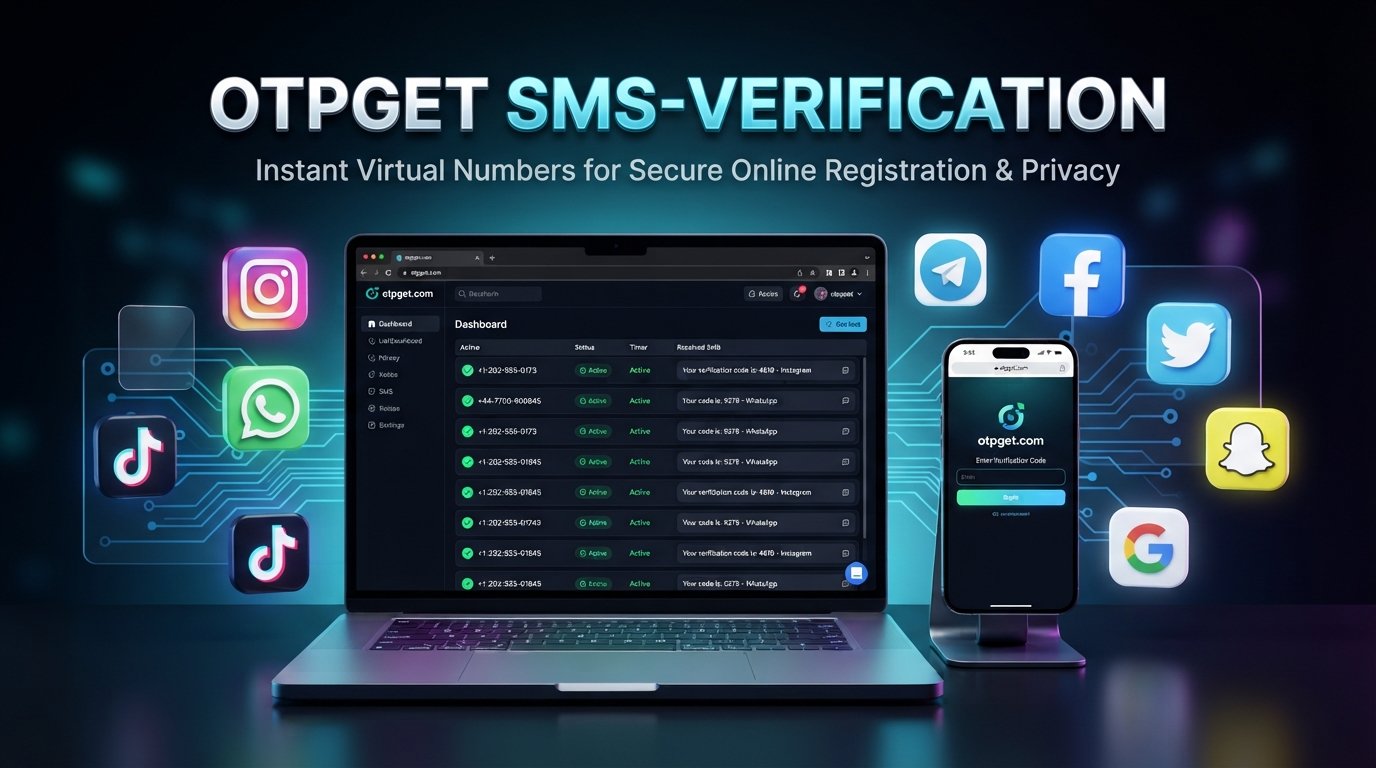
For users exploring virtual phone numbers for global SMS verification, OTPGET offers a straightforward option for accessing numbers and receiving SMS verification codes online.
OTPGET's published documentation describes an SMS OTP service where users can request a number, check its activation status, and retrieve received SMS messages. The platform also documents longer-term rental numbers for users who need continued access rather than a single temporary activation.
That makes the service relevant to several different workflows.
A user working on a one-time verification task may need a temporary virtual number. A business or testing team working on an ongoing process may have a different requirement and prefer a longer-term rental arrangement.
OTPGET also documents country and service selection as part of its virtual-number workflow. Availability is not static, so users should check the options shown by the service when they are ready to use a number rather than assuming that a particular country or service will always be available.
For developers, OTPGET publishes API documentation covering programmatic number requests and SMS status retrieval. That can be relevant when verification is part of an automated testing or software workflow rather than a manual process.
The practical advantage is simple: instead of organizing physical SIM cards for every temporary or international requirement, users can explore an online number-based workflow.
Traditional SIM vs. Virtual Number vs. OTPGET
| Criteria | Traditional SIM Number | Virtual Phone Number | OTPGET-Based Virtual Number Solution |
|---|---|---|---|
| Physical SIM required | Yes | No | No |
| International availability | Depends on carrier and location | Depends on provider | Depends on available OTPGET inventory |
| Online access | Usually through a phone | Yes, through the provider | Yes, through OTPGET's service |
| SMS reception | Yes | Supported where SMS is available | SMS/OTP reception is supported |
| Convenience for temporary use | Can be inconvenient | Generally convenient | Designed for virtual-number workflows |
| Best suited for | Personal, long-term communication | Online verification and testing where permitted | SMS/OTP verification and related workflows |
| Number management | SIM/device dependent | Provider dependent | Online management through the service |
The table highlights the main difference: a traditional SIM is tied to physical mobile infrastructure, while a virtual number is managed through an online provider.
Legitimate Use Cases for Virtual Numbers
Virtual numbers can support a range of legitimate technical and business activities.
Software and app testing: Developers can test registration, authentication, and SMS delivery workflows without relying exclusively on personal numbers.
QA testing: Quality assurance teams can test phone verification across different scenarios and regions.
International product testing: Teams preparing a product for multiple markets can evaluate country-specific phone-number and SMS workflows.
Customer onboarding testing: Businesses can verify that SMS-based onboarding works as intended before releasing a workflow to customers.
Temporary projects: A project may require an additional number for a limited period without justifying another physical SIM.
Privacy-conscious signups: Where a service permits virtual numbers, they can provide separation between personal contact information and a particular online activity.
The key phrase is “where permitted.” Virtual numbers should not be used for spam, fraud, fake identities, account abuse, bypassing security controls, or evading platform restrictions. OTPGET's own terms prohibit illegal, fraudulent, abusive, or harmful use of its services.
Security and Privacy Considerations
A virtual number should be treated as a tool, not as a universal security solution.
Before choosing an SMS verification service, consider how numbers and incoming messages are handled. Think about whether the number is temporary, shared, or intended for longer-term use.
For important accounts, a temporary or shared number may not be suitable for long-term account recovery. Losing access to a verification number can become a problem if the service later asks for another verification code.
It is also worth checking the policies of the website or application you are using. Some services may restrict certain number types, and acceptance can vary by provider and verification system.
OTPGET publishes terms describing responsible use and states that account and activity information may be processed for purposes such as security, payment verification, fraud prevention, and service improvement. Users should review the provider's policies themselves before using a number for sensitive workflows.
In short, use virtual numbers deliberately. They are particularly useful when the requirement is temporary, technical, regional, or related to testing.
How to Choose an SMS Verification Service
When comparing providers, look beyond the number itself.
Consider:
- Country availability: Does the provider offer numbers for the regions you actually need?
- Number type: Is a temporary number enough, or do you need longer-term access?
- SMS support: Can the number receive the type of verification message you expect?
- Service compatibility: Is the intended website or application compatible with the available number?
- Management: Can you easily access messages and manage active numbers?
- Developer support: If you are automating tests, does the provider offer an API or documentation?
- Policies: Are your intended activities allowed under the provider's terms and the platform's rules?
These checks can save time and help prevent choosing a number that does not match your actual workflow.
Why OTPGET Can Be Practical for Global SMS Verification
The value of a virtual-number service comes down to convenience and fit.
If you only need to receive one permitted verification SMS, a temporary number may be appropriate. If you are testing an ongoing workflow, a longer-term rental can make more sense. For developers, an API can reduce manual steps when virtual numbers are part of a testing process.
OTPGET provides options around these different use cases, including temporary SMS OTP numbers, longer-term rental numbers, and documented API access.
That makes it worth exploring for users who need virtual phone numbers for international SMS verification without wanting to manage additional physical SIM cards.
Still, no provider can guarantee that every number will work with every third-party service. The safest approach is to check availability, service compatibility, and applicable terms before beginning a verification workflow.
Final Thoughts
Virtual phone numbers for global SMS verification can make certain verification and testing tasks much easier to manage.
Instead of maintaining physical SIM cards for every temporary requirement or international scenario, users can work with numbers through an online provider. This can be particularly useful for software testing, QA, regional product testing, business workflows, and permitted temporary verification needs.
The right solution depends on the task. Personal accounts that require dependable long-term recovery may still be better served by a permanent personal number. Temporary projects and technical workflows can have different requirements.
For users looking to explore virtual numbers for receiving SMS verification codes, OTPGET provides a practical starting point, with documented options for temporary numbers, rental numbers, and developer-oriented access.
Explore the available options, check the number and service requirements, and choose a setup that fits your specific verification workflow and the rules of the platform you are using.
11. FAQ Section
What is a virtual phone number for SMS verification?
A virtual phone number is a phone number managed through an online service rather than a physical SIM in your phone. When supported, it can receive SMS messages such as one-time verification codes.
Can virtual phone numbers receive OTP codes?
Yes, virtual numbers can receive OTP codes when the number supports SMS and the third-party service accepts that number type. Acceptance varies by platform, country, and provider.
How does global SMS verification work?
You select an available number associated with the required region, enter it into the permitted verification process, request an SMS, receive the verification code online, and enter the code into the original service.
Why use a virtual number instead of a physical SIM?
Virtual numbers can be more convenient for temporary projects, software testing, international workflows, and situations where maintaining another physical SIM would be unnecessary.
Is a virtual phone number suitable for business testing?
Yes. Virtual numbers can be useful for QA testing, customer onboarding tests, regional SMS testing, and other legitimate business workflows. Teams should select number types and regions that match their testing requirements.
Can I use a virtual number for international verification?
You can use an international virtual number where the provider has an available number and the third-party service permits that type of number. There is no guarantee that every platform will accept every virtual number.
What should I consider before choosing an SMS verification service?
Check country availability, number type, SMS support, service compatibility, number management, pricing, developer tools if needed, privacy practices, and acceptable-use policies.
How does OTPGET help with virtual SMS verification?
OTPGET provides virtual numbers for SMS and OTP workflows and documents both temporary number requests and longer-term rental options. Its developer documentation also covers API-based number and SMS management.